
Average Cost of Biweekly House Cleaning: What Changes the Quote?
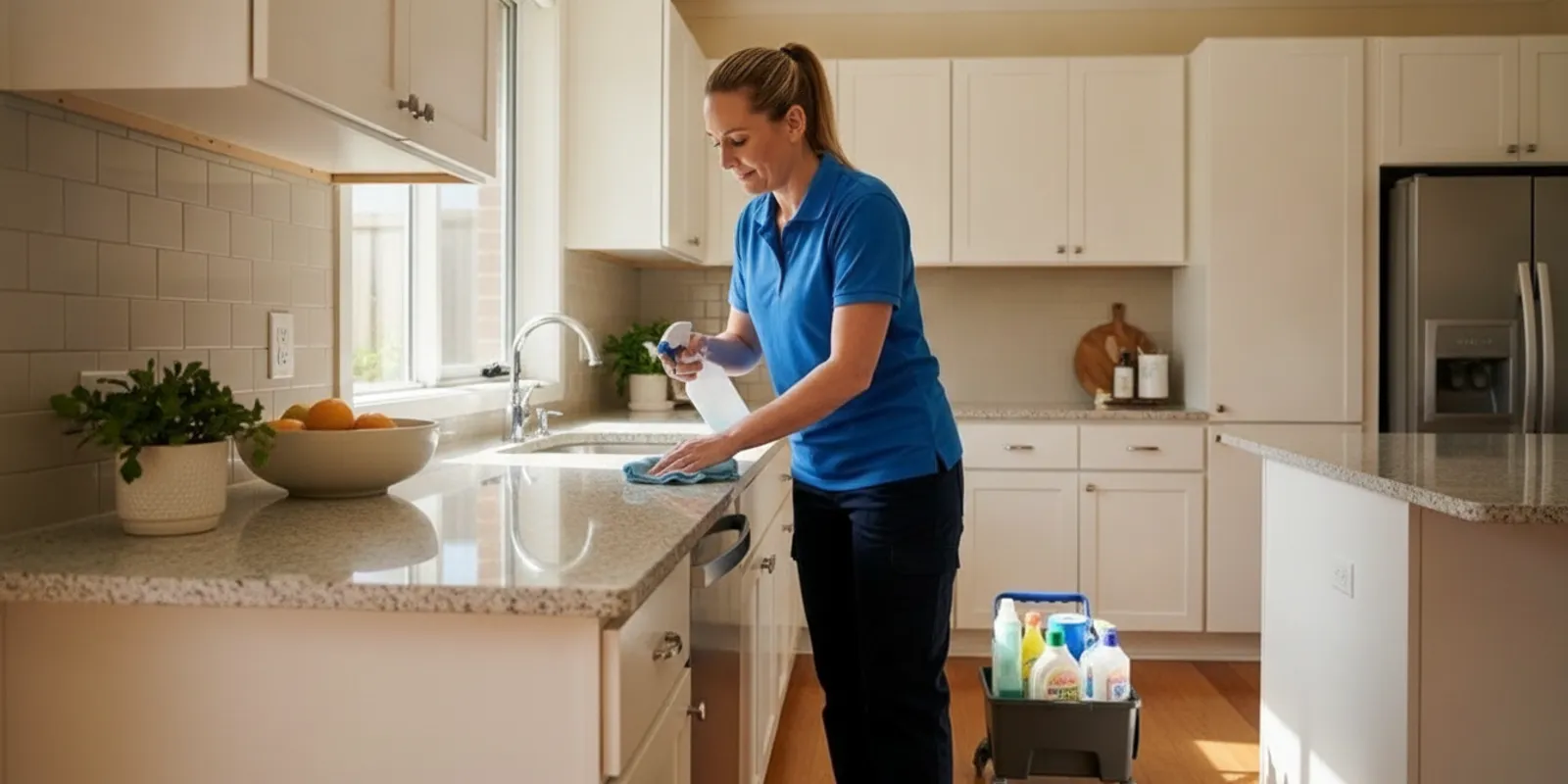
If you are researching the average cost of biweekly house cleaning, the most useful answer is that a quote depends on the home and the work requested—not just the number of visits. Home size, current condition, priorities, and service details all shape the time and scope involved. Understanding those factors helps you compare estimates fairly and request a quote that reflects your household.
Why does the average cost of biweekly house cleaning vary?
There is no single figure that fits every home. Two households may both request a cleaning every other week and still need different amounts of work. One might have a compact layout, clear surfaces, and a short list of priorities. Another may have more rooms in regular use, extra buildup, or several tasks that need attention during each visit.
Biweekly service describes the planned interval between visits. It does not, by itself, define the work included or how long each appointment will take. A useful estimate accounts for the actual home and the requested scope. If a provider gives a number without asking about these basics, ask what assumptions the estimate uses.
Maid OK provides quote-based pricing rather than a fixed rate that applies to every home. The estimate can reflect the home's actual condition, and the company notes that pricing is flexible. For details about how to request a residential estimate, visit the house cleaning quote page.
It helps to think of the estimate as a description of a service plan, not just a number. The frequency tells you when the team is expected to visit; the scope tells you what is expected to happen during each visit. Until both are clear, a price comparison may leave out the reason one estimate differs from another.
Which home details can change a biweekly quote?
Home size and layout
More rooms and more floor area can mean more surfaces, floors, and fixtures to address. Layout matters too. A home with several bathrooms or multiple levels may call for a different plan than a smaller, open layout. Share the approximate size if you know it, along with the number of bedrooms and bathrooms. If you are unsure of the square footage, say so; a clear room count is still useful context.
Also mention which rooms are included in the visit. A spare room used only occasionally may not need the same attention as a busy kitchen or a main bathroom. If you expect every room to be cleaned, say so. If you want to leave a room out or rotate attention between less-used spaces, ask whether that approach can be reflected in the plan. Clear boundaries help prevent an estimate from being based on a different home than the one you have in mind.
Starting condition
The first visit may involve more work than the visits that follow, especially if the home has not had professional cleaning recently or some areas need extra attention. A recurring plan may then focus on maintaining the agreed scope between visits. Be straightforward about the home's current state and point out any areas that are a priority. That information helps the provider assess the initial work rather than guessing.
When describing condition, be specific rather than apologetic. For example, note that the kitchen needs attention after a busy month, or that a bathroom has areas you want included in the initial visit. You do not have to predict how long a task will take. The provider can use your description to determine whether the first appointment should be scoped differently from routine visits. Ask whether any difference for the initial visit will be shown separately in the estimate.
What you want cleaned
“Clean the house” can mean different things to different people. One household may want routine attention to commonly used rooms. Another may want additional detail in kitchens, bathrooms, or less frequently addressed areas. If you are considering extra tasks, describe them instead of assuming they are part of every visit. Maid OK lists service details and possible extras on its cleaning add-ons page.
Make a short priority list before asking for a quote. Put the must-have tasks first, then list any optional requests separately. For example, you might want routine attention in the kitchen and bathrooms each time, while asking whether an additional detail task can be included occasionally. This gives the provider a practical basis for discussing scope. It also makes it easier to decide what to keep if the estimate needs to be adjusted.
Pets, belongings, and access
Practical details can help a provider understand the appointment. Mention pets, delicate items, rooms that should be skipped, parking or entry instructions, and any surfaces that need special care. These notes do not automatically determine a higher or lower quote; they clarify how to plan the visit and help avoid mismatched expectations.
Consider what preparation would make the requested tasks possible. If counters or floors are covered with daily items, for instance, clarify whether you plan to put them away before the appointment or whether you are asking for help with a separate organizing task. House cleaning and organizing are not automatically the same scope. Naming the distinction at the estimate stage helps both sides understand what work is being discussed.
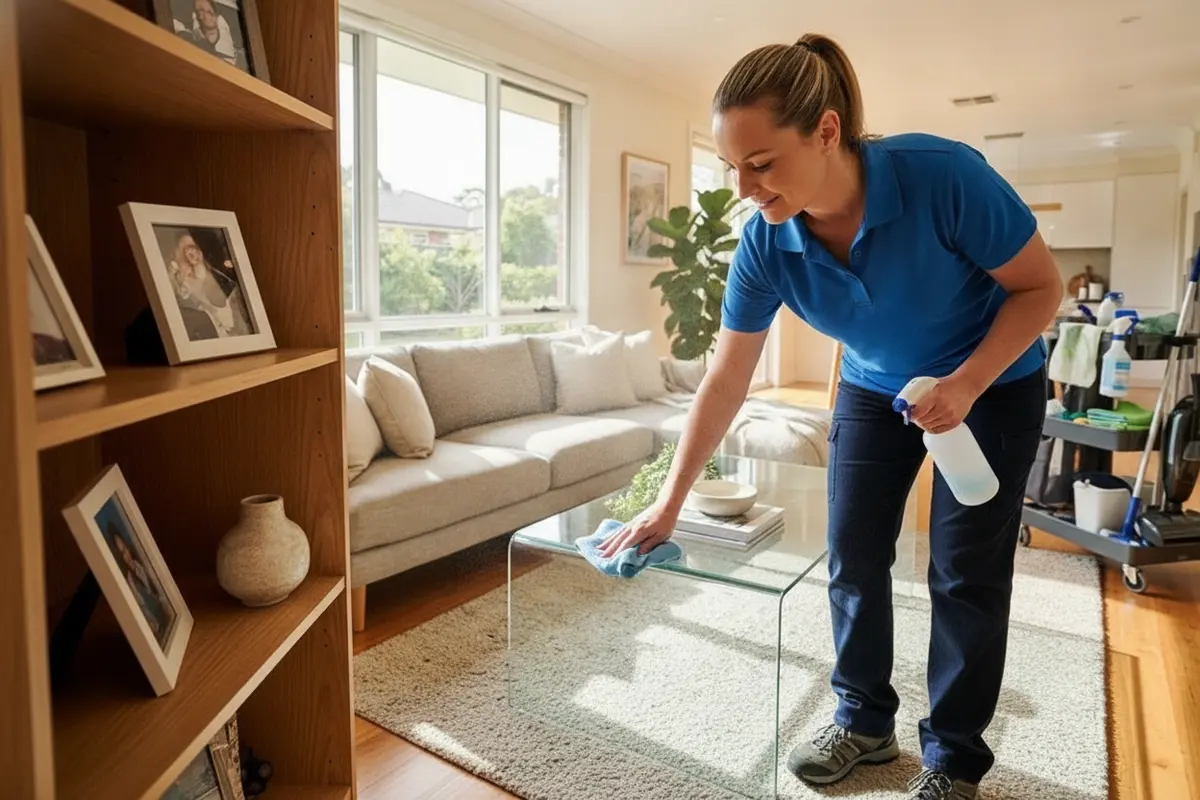
What is different about the first clean and recurring visits?
Before comparing a recurring estimate, ask whether the proposed scope is intended for the first appointment, later appointments, or both. A first visit may need extra attention to bring the home to the desired baseline. Later visits can follow the agreed routine, but the home and household needs still matter. Seasonal changes, guests, renovations, or a shift in which rooms get used most can affect priorities.
Ask how the provider handles a task that needs more time than expected. Is the visit limited to a set scope? Can you prioritize certain rooms if time is tight? Is additional work discussed before it is added? Clear answers make it easier to understand the quote and decide whether the plan fits.
A useful way to clarify this is to agree on a normal-visit list and a separate occasional list. The normal list might name the rooms and routine tasks you expect each time. The occasional list can identify areas you want to discuss when needs change. Do not assume an occasional request is automatically included in each recurring appointment. Ask how to bring it up, whether it changes the estimate, and whether another task should be deprioritized to make room for it.
If you want help keeping a home on a routine, learn more about recurring cleaning. If the home needs a one-time reset before you decide on a schedule, compare it with one-time cleaning. The right starting point depends on the condition of the home and what you want done—not on the label alone.
How should you compare cleaning estimates?
Compare the work described, not only the final number. Confirm whether the estimate reflects the home's size and condition, how often the team will visit, and which rooms and tasks are included. Check whether supplies and equipment are provided, and ask how optional tasks are priced or approved. If you are comparing cleaning products for any tasks you handle yourself between visits, the U.S. Environmental Protection Agency website is a source of federal environmental information. These questions help you compare offers on similar terms.
| Quote detail | What to confirm | Why it matters |
|---|---|---|
| Home and layout | Approximate size, bedrooms, bathrooms, and levels | Helps define the amount of space and number of fixtures in scope |
| Condition | Whether this is a first visit and which areas need extra attention | Initial work may differ from maintenance visits |
| Included tasks | Rooms, routine tasks, priorities, and any requested extras | Clarifies what the quoted service actually covers |
| Visit schedule | Every-other-week frequency and any scheduling preferences | Sets expectations for recurring service and planning |
| Estimate terms | How changes in scope or condition are discussed | Prevents surprises if the requested work changes |
Some estimates may be based on a visit length or hourly model, while others may use a service package or a customized scope. If the estimate is not clear, ask what it includes and what would change it. Do not assume two quotes are comparable just because both say “biweekly.”
What does a fair comparison look like?
Put the estimates side by side and check the same points for each: the rooms included, the recurring tasks, the treatment of the first visit, and any requested extras. Then note whether supplies and equipment are included, how a schedule change is handled, and how you can raise a concern about work that does not match the agreed scope. If one quote leaves out a detail, ask for clarification before drawing a conclusion. A lower total may reflect a smaller list of tasks, while a higher total may include more work or a different first-visit plan. Neither number tells the whole story without scope.
You can also ask whether the provider would rather review room counts, photos, or another description to make the estimate more accurate. Do not share private information in photos, and only send images if the provider requests them through an appropriate channel. If a provider does review pictures, point out the rooms they represent and explain any limits, such as a room that is not included in recurring service. A few clear details are more useful than trying to make the home look a certain way for an estimate.
For context, Maid OK describes its residential pricing as quote-based, with a $95 minimum for two hours and a $40 hourly rate thereafter; the final quote can vary with the home's actual condition. Treat that information as a starting point for a conversation, not as a promise that a particular home will fit a specific amount. Request a current estimate based on your details.
When reviewing a quote, distinguish the amount charged per visit from what you expect to spend over a longer period. If an estimate is stated per appointment, ask how often that appointment occurs and whether the amount changes when the requested work changes. If you want to plan a household budget, use the provider's confirmed visit rate and your agreed schedule rather than multiplying a vague estimate or assuming extra tasks are included. This simple check can prevent the monthly figure from being mistaken for a per-visit amount.

What should you share before requesting a quote?
A few concrete details make it easier to discuss a useful estimate. You do not need a perfect inventory. Share what you know, and ask how to clarify anything uncertain.
- Approximate home size, or the number of bedrooms and bathrooms.
- Whether the home has one level or more than one.
- Which rooms are used most and which areas matter most to you.
- Whether you are arranging an initial clean or continuing an established routine.
- Any specific tasks or areas you want considered beyond the standard scope.
- Pets, access instructions, fragile items, or surfaces that need special handling.
- Your preferred every-other-week schedule and any timing constraints.
It can help to group your notes into three parts: information about the home, your must-have tasks, and questions about the estimate. That way you can describe the property first, explain the result you want, and then confirm how the provider will price and schedule that work. If you have a room that should not be entered, mention it clearly rather than leaving the provider to infer that from the room count.
Then ask the provider to describe the work the estimate covers, whether the first appointment differs from later visits, and how you can request a change. If you are not sure whether you need routine or more detailed service, see Maid OK's explanation of deep cleaning and compare it with the needs of your home.
How can you tell whether biweekly service fits?
Biweekly cleaning can be a practical choice for households that want regular help without arranging a visit every week. Whether it fits depends on your preferred level of upkeep, household activity, and the tasks you want someone else to handle. The best schedule is one you can maintain and whose scope matches your expectations.
Consider how quickly the areas you care about become difficult to keep up with, how much routine cleaning you want to do between visits, and whether the same task list makes sense each time. If your needs change, ask whether the scope can be adjusted. For service-area details, consult Maid OK's service-area information; the company serves communities around Norman and the greater Oklahoma City area.
Maid OK is family-owned and established 1977. Its residential options include recurring, one-time, and deep cleaning, with a quote shaped around service details. To learn more about the company, visit the about page, or review the house cleaning FAQs for common service questions.
Frequently Asked Questions
Is biweekly cleaning priced per visit or per month?
That depends on the provider's pricing method and the agreement for your home. Ask whether the estimate is for each appointment or a monthly total, and confirm how many visits it covers. Make sure the service frequency and included tasks are written clearly in the quote.
Will the first appointment cost the same as later visits?
Not always. If the first visit requires more attention to reach the agreed baseline, the scope or time may differ from routine maintenance visits. Ask how the estimate treats the first appointment and what is expected during future visits.
Does a larger home always mean a higher quote?
Size is one factor, but it is not the only one. Condition, layout, number of bathrooms, requested tasks, and the amount of space included all matter. Share these details so the estimate reflects the work you actually want.
Can I change the tasks included in a recurring plan?
Ask the provider how to request a change and whether it affects the estimate or appointment plan. You can also identify your highest-priority rooms before a visit, so expectations are clear if the scope needs to be adjusted.
A clear biweekly quote should connect the home's size and condition with a specific list of tasks, so you can decide whether the schedule and service feel right for your household.