
House Cleaning in Edmond for Busy Professionals: Planning a Visit
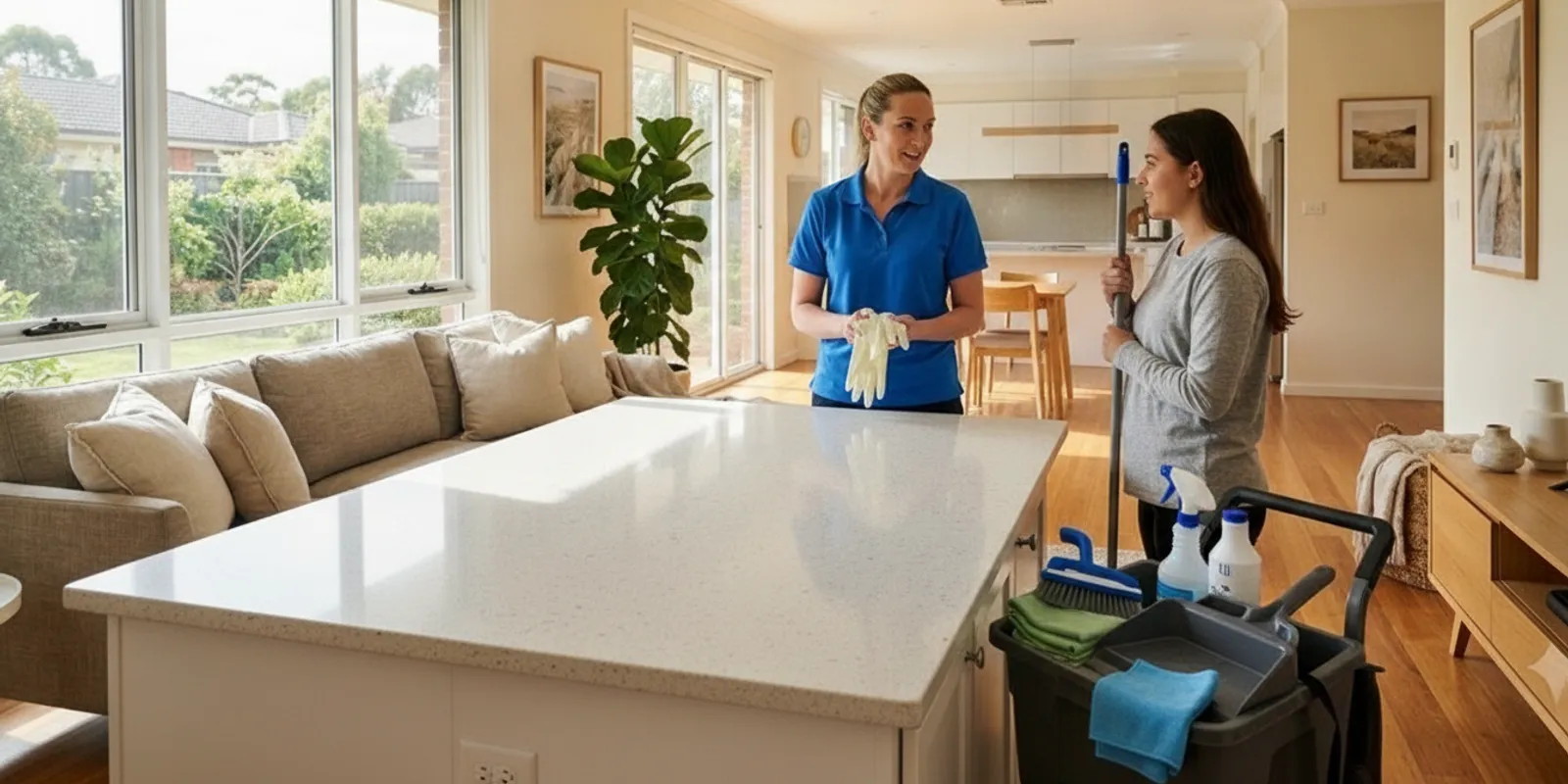
A busy schedule can make household upkeep hard to fit in. Planning a cleaning service in Edmond does not require a perfect home or a long checklist; it starts with deciding what matters most, describing the home's current condition, and confirming what the visit will cover. A few clear details help you compare options and make the appointment useful for your routine.
What should you decide before contacting a provider?
Before requesting an estimate, take a few minutes to picture the result you want. You may want routine help that keeps several rooms in order, focused attention on a kitchen and bathrooms, or a more thorough reset after a particularly busy season. You do not need to know every task in advance. A brief outline gives the provider something specific to discuss with you.
- Rooms: Name the rooms to include and note any that can be left out.
- Top tasks: Identify the work that would make the biggest difference to daily life, such as floors or commonly used surfaces.
- Home condition: Describe anything that may affect the time needed, without trying to make it sound better or worse than it is.
- Timing: Share the days or time windows that work for your household, then ask what availability is possible.
- Household details: Mention pets, entry arrangements, delicate finishes, and belongings that should not be moved.
Keep your notes short. A list of three priorities is often more useful than a detailed inventory that is difficult to update. Maid OK serves Edmond as part of its Norman-centered Oklahoma City area; check the service area information to see whether your address is covered.
How can you choose priorities when the workweek is full?
Think about the moments when household mess creates the most friction. If weekday meals happen at home, the kitchen may be the natural first priority. If mornings feel rushed, a bathroom and the route from the bedroom to the door may matter more. If you work from home, you might want shared spaces ready for the next workday. The right priority is personal; it is not necessarily the room that looks worst.
Try sorting requests into three groups:
- Must address: The rooms or surfaces that matter most during this visit.
- Helpful if possible: Secondary tasks that can be discussed after the core scope.
- Not this time: Areas that can wait or should not be entered.
For example, a professional who has only a short window before a busy week might put the kitchen, main bathroom, and frequently used floors in the first group. A guest room that is rarely used could be optional. This ranking gives the provider a practical way to discuss the scope if the requested work and available time do not match.

Separate tasks from outcomes, too. “Make the kitchen easier to use” is a useful goal, but explain what that means for you: perhaps clearing visible crumbs from counters and addressing the floor. If an add-on is under consideration, review available house cleaning add-ons and ask whether the task fits the visit you are discussing. Do not assume an optional task is included unless the estimate confirms it.
Which kind of visit may suit your household?
Service names can sound similar, so explain the situation behind your request rather than relying on a label alone. A recurring visit may help with ongoing upkeep. A one-time appointment may suit a particular busy period or occasion. A deeper clean may be worth discussing when you want attention on areas that are not part of your routine priorities. A move-in or move-out situation has its own timing and scope, so describe the home’s status and deadline clearly.
| Visit type | May fit when | Details to confirm |
|---|---|---|
| Recurring residential cleaning | You want ongoing help with household upkeep. | Preferred frequency, rooms, priorities, and how future changes are communicated. |
| One-time visit | You need help for a particular occasion or demanding stretch. | Which spaces matter most and whether any optional tasks are requested. |
| Deep cleaning | You want a more thorough reset or attention beyond routine upkeep. | Current condition, focus areas, and what the quoted scope includes. |
| Move-in or move-out cleaning | The home is part of a move or change of occupancy. | Whether the space is furnished, the access window, and the deadline. |
| Organizing help | Storage or clutter decisions are making a room harder to use. | Where to start and what outcome you want from the organizing work. |
The table is a planning aid, not a promise that every task is automatically included. Ask what the provider can address and what may require a different scope. If you are unsure whether routine or deeper work better matches the home, review the overview of deep cleaning before discussing your needs.
How do you describe the home accurately?
A useful estimate depends on the provider understanding the actual home and requested work. Share the number of rooms involved, how they are used, and any conditions that may affect the visit. The goal is not to make a judgment about housekeeping. It is to give enough context to plan the work and avoid surprises.
Consider a simple example: two households might both ask for help with a kitchen and two bathrooms, but the room layouts, use, and current condition may differ. A short note about the areas that need extra attention gives the provider a better basis for discussing time and scope. If you are uncertain how to describe a surface or task, say what you see and ask whether it is part of the service being estimated.
Keep expectations concrete. Instead of saying “make everything spotless,” identify the rooms and the outcome that matters most. If a particular surface is delicate, name the material if you know it and explain what care you prefer. If you do not know which product is appropriate, avoid recommending one yourself; ask the provider how that surface should be handled.
What should you ask when comparing estimates?
Compare like with like. An estimate is difficult to evaluate when one includes a broader scope than another. Ask each provider to clarify the rooms and tasks, how home condition affects the amount of work, and what happens when the list is larger than the planned visit.
Maid OK uses quote-based pricing that considers the home's actual condition. The stated minimum is $95 for two hours, with $40 per additional hour thereafter; the estimate may be flexible based on the home and requested scope. Treat those amounts as a starting point for a conversation, not a guaranteed total for every household. Confirm the estimate for your own home and the work you request.
- Which rooms and tasks are included in this estimate?
- What details about the home or its condition could change the time or price?
- If the visit cannot cover every request, how are priorities handled?
- Are optional tasks included in the estimate or discussed separately?
- What supplies and equipment are provided, and are there preferences to discuss?
- How should I communicate a change to the appointment details?
Write down the answers so you can compare the same factors rather than relying on a single number. Maid OK’s house cleaning FAQ can help you review common service questions. You can also learn more on the company information page before requesting a quote.
How can you prepare without cleaning first?
Preparation is mostly about access, safety, and communication. You do not have to scrub, vacuum, or make the home look staged before the appointment. Put away personal items you do not want handled, secure valuables, and make the agreed work areas reasonably accessible. The aim is to help the team reach the places you asked them to address.
- Confirm the address and share entry, gate, or parking details.
- Secure pets or explain instructions that will help keep them comfortable.
- Move fragile or valuable belongings from work surfaces.
- Identify rooms that are off limits and surfaces that need special care.
- Gather any preferences or reminders in one note that is easy to find.

For instance, if a household member is working from home, mention whether a room should remain undisturbed during a certain window. If you will not be present, confirm how entry should work and where the team should find any instructions. Ask what supplies and equipment are provided, and discuss product preferences before the visit rather than leaving an uncertain instruction at the last minute.
Keep fragile items and papers safe by putting them away yourself. If an item is too large or delicate to move, point it out and explain what you want done around it. A clear boundary is easier to follow than an assumption that a cleaner will recognize an object’s importance.
What does a reliable outside cleaning reference recommend?
Preparation advice should be practical, not a reason to over-clean before a service visit. The University of Virginia’s cleaning tips describe routine cleaning responsibilities in shared residence settings. Although that page addresses campus housing rather than private homes, it reinforces a useful distinction: routine cleaning focuses on identifiable spaces and tasks. For your own appointment, use that same clarity by naming the areas you want addressed and confirming the provider’s scope.
That source is not a substitute for the service agreement or home-specific guidance. Product directions, surface materials, and the provider’s procedures can differ. If a question concerns a particular finish or item, ask before the appointment rather than assuming that a general cleaning tip applies.
How can you make the first visit useful after it is complete?
Once the visit is over, take a moment to assess whether the priorities you shared were the right ones. Did the kitchen or bathroom receive the attention you needed? Was there an access detail that would be easier next time? Make a short note while the experience is fresh. It gives you a specific way to adjust the next request without having to rethink the entire plan.
If an item on the agreed scope was unclear, ask for clarification promptly. Clear feedback is more useful than a broad statement that the whole visit was or was not satisfactory. If you are considering ongoing help, discuss how the routine could work with your schedule and which priorities are likely to stay consistent. For local information, see Maid OK’s Edmond house cleaning page.
A household may also find that priorities change by season or work demands. A useful plan can remain flexible: keep a small list of regular focus areas, then mention one occasional request when it arises. If the occasional task changes the scope, ask for a revised estimate rather than assuming the previous plan covers it.
Request a free residential quote
Frequently Asked Questions
Do I need to be home during the cleaning visit?
Ask the provider which access arrangements are available and choose one that feels comfortable. If you will be away, confirm entry instructions and any household boundaries in advance.
Should I tidy before the team arrives?
You do not need to clean first. Putting away personal or fragile items and making agreed work areas accessible can help keep the visit focused.
How do I decide between recurring and one-time service?
Consider whether you want ongoing help with routine upkeep or assistance for a particular occasion or demanding period. Describe the home's needs and ask which scope is the better fit.
Can I ask for particular rooms to receive more attention?
Yes. List your top rooms and tasks when requesting an estimate, then ask how priorities are handled if the requested work exceeds the planned time.
What if I have a delicate surface or a pet?
Mention the surface, care preference, or pet instructions before the visit. Ask the provider how the detail will be handled rather than assuming a particular product or approach.
A good plan is simple: identify the rooms that matter, describe the home honestly, and confirm the estimate’s scope and access details. With those points settled, you can decide whether a cleaning visit fits your Edmond home and workweek.