
Deep Cleaning Services: What to Request Before Your First Visit
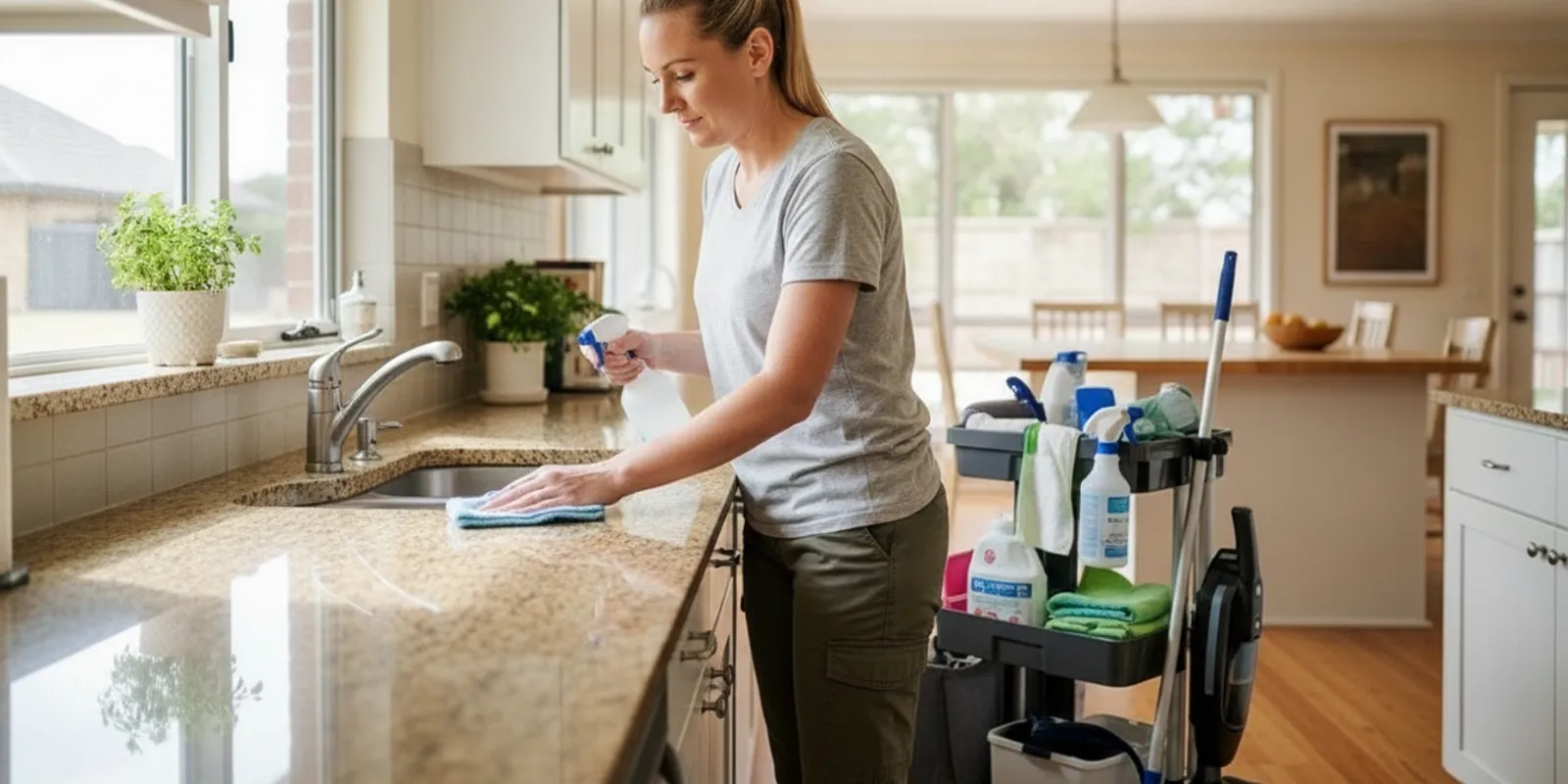
Booking deep cleaning services for the first time can feel hard to define: what should be included, what should you ask for, and how can you make the visit useful? Start with the specific changes you want to see, then confirm which rooms and tasks fit the service before scheduling. A clear request helps you and the cleaning team share expectations from the start.
What do you want the first visit to change?
“Deep clean” can mean different things from one home to another. One household may want extra attention on kitchen grease and bathroom buildup. Another may want neglected corners, reachable trim, or dust on frequently missed surfaces addressed. Instead of relying on the label alone, describe what has been bothering you and what a satisfying result would look like.
Try finishing this sentence before you request an estimate: “After the visit, I want the home to feel ______.” Your answer might be “ready for guests,” “less dusty in the main rooms,” or “refreshed after a busy season.” These are useful priorities, not a promise that every task in a home is included. The exact scope depends on the provider’s service and the condition of the home.
Then choose your top three concerns. A short, ordered list gives the team a practical guide if time or the service scope means every possible task cannot be completed in one visit. For example:
- First: remove visible buildup from the kitchen counters and exterior cabinet fronts.
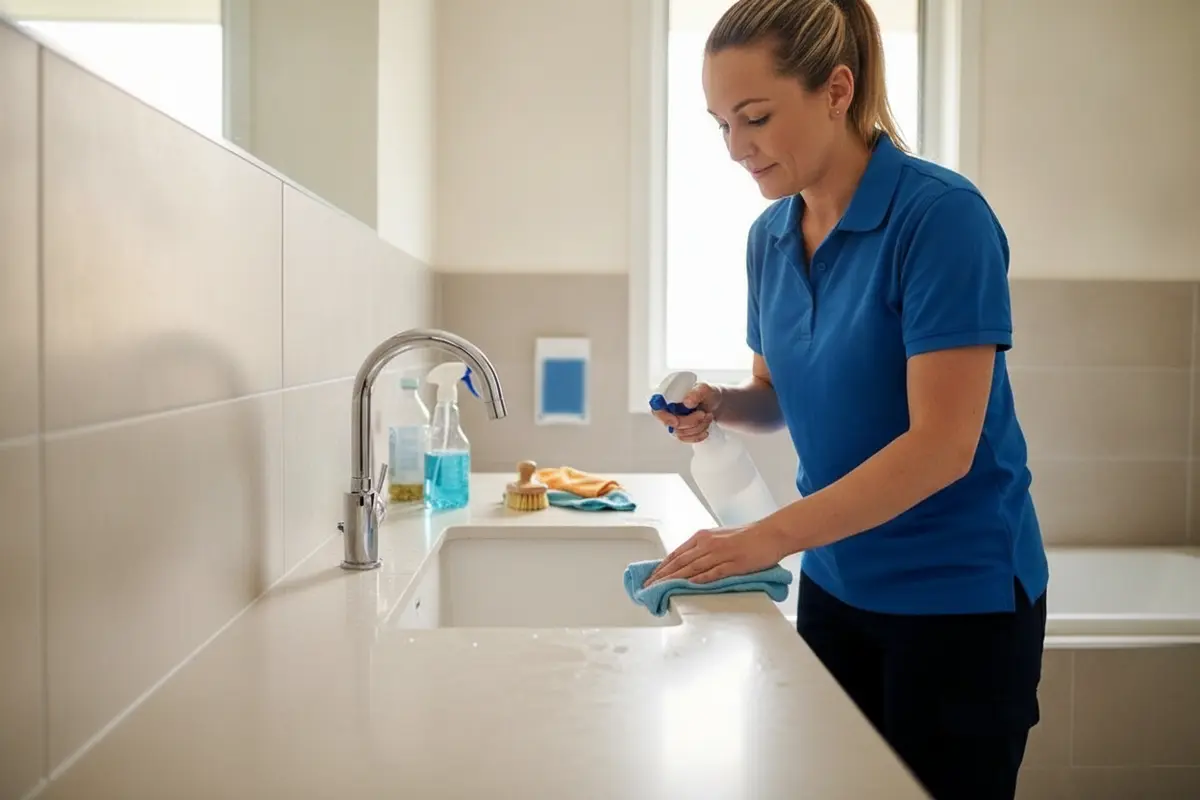
- Second: pay closer attention to the bathroom sink, shower surfaces, and fixtures.
- Third: dust reachable baseboards and the living-room surfaces that are easy to overlook.
Keep the list specific and realistic. “Clean the whole house perfectly” is difficult to translate into a shared plan. “Please prioritize the hall bathroom and the kitchen, especially the counter and cabinet fronts” gives a cleaner clearer direction.
Think about the difference between a desired outcome and a task the team can verify. “Make the house feel fresh” describes the result you hope for; “wipe the reachable trim in the entry and living room” identifies a concrete request. Give both kinds of information: the outcome helps explain why the visit matters, while the task gives the provider something specific to confirm.

Which rooms and tasks should you name?
Walk through the home and note the areas that need more attention than ordinary upkeep. Think in terms of rooms and visible tasks rather than vague labels. In the kitchen, you might identify the sink, exterior appliance surfaces, cabinet fronts, or crumbs along reachable edges. In a bathroom, you might call out fixtures, the shower area, or dust on ledges. In bedrooms and living spaces, you might mention reachable trim, furniture surfaces, or corners where dust gathers.
Separate routine priorities from special requests. Some work may require extra time, a different process, or separate confirmation. Do not assume that inside appliances, moving heavy furniture, high or hard-to-reach areas, or detailed work on delicate surfaces are automatically part of a standard visit. Ask the company to confirm what is included, what needs to be requested in advance, and whether any limits apply.
Cleaning programs can define routine and specialty work differently. For example, UC San Diego lists certain indoor tasks, including blinds and some carpet or floor work, as customer-requested services. That institutional service page is not a residential checklist, but it illustrates why it is helpful to confirm scope instead of assuming every add-on is automatic. See UC San Diego’s indoor cleaning service details.
If you are unsure how to describe a task, explain the surface and the result you want. “Please remove dust from the reachable baseboards in the living room” is clearer than “do all the details.” For a surface that needs special care, mention its material and ask whether the requested method is appropriate before the visit.
Use a quick walkthrough to make your list practical. Start at the front door and move through the rooms in the order a visitor or household member typically uses them. At each stop, note one or two visible concerns, whether the surface is easy to reach, and any item that should stay untouched. For example, you could write “guest bath: focus on the sink and shower; leave the shelf items in place.” This kind of note helps avoid a last-minute attempt to remember every request during the booking call.
Also distinguish a cleaning concern from a repair or restoration concern. A stain, worn finish, or damaged caulk may not respond to ordinary cleaning, and the right treatment depends on the material. Point it out and ask what is reasonable rather than asking the team to promise a particular result. If a surface is delicate or has manufacturer care instructions, share that information ahead of time.
How can you make a room-by-room plan?
A simple room list helps you organize requests without turning preparation into a major project. Use this as a conversation starter, not a guarantee that every item is included. Mark the few tasks that matter most and ask the provider to verify what the visit covers.
| Area | Possible priority to describe | What to confirm |
|---|---|---|
| Kitchen | Sink, counters, cabinet fronts, or visible buildup | Which surfaces are included and whether inside appliances are separate |
| Bathrooms | Fixtures, shower surfaces, reachable ledges, or floor edges | Whether the requested detail work fits the planned visit |
| Living areas | Dust on reachable surfaces, corners, or baseboards | Whether furniture must be moved and what areas are reachable |
| Bedrooms | Surfaces, reachable trim, or a particular room needing attention | What access or tidying is needed before the team arrives |
| Special requests | A specific surface or extra task outside your main list | Whether it is offered, needs advance notice, or changes the quote |
Be open about what is not a priority, too. If one room is already in good shape, say so. If you would rather the team spend its attention in the kitchen and bathrooms, make that clear. A useful plan focuses the conversation; it does not require you to predict every detail the cleaner might encounter.
For each room, note whether your concern is visible soil, dust, or simply an area that has been missed during everyday upkeep. That distinction can help the provider understand what you mean by “more attention.” If the concern is a particular spot, describe where it is and what surface it is on. Avoid promising yourself that every mark will come out; the right approach can depend on the material and the condition. Ask whether the team can address it safely and whether it is part of the requested service.
It can also help to decide what a reasonable trade-off would be if not everything fits. For instance, you may prefer a careful focus on two bathrooms and the kitchen over a lighter pass through every room. Share that preference before the visit so the team can confirm whether the plan and estimated time make sense.
Before you contact a provider, translate your notes into a short priority order. Label requests “must discuss,” “if time allows,” and “not needed this visit.” This is more useful than a long unranked checklist because it makes trade-offs explicit. If you have one room that matters most, say why without making the request feel complicated: perhaps guests will use it, or it has been closed off during a home project.
What should you share before the appointment?
Give the provider the information needed to understand the home and your request. Be prepared to discuss the number and type of rooms, which areas are most important, the home’s current condition, and any particular access or surface-care concerns. If a room should be skipped, or an item should not be moved or cleaned, state that plainly.
It can help to mention recent changes that affect the work, such as a home project that left dust or a room that has not been used regularly. Be honest rather than apologetic. The goal is to help the company recommend a suitable scope and timing, not to judge how the home looks.
Before the visit, put away small personal items and clear the surfaces you want cleaned when practical. Secure pets according to the arrangement you make with the provider, and leave a clear path to requested rooms. You do not need to pre-clean the home. Basic preparation is simply about making the agreed areas accessible and protecting belongings that need special handling.
A few details are easy to overlook while booking. Explain how the team can enter, whether someone will be home, which rooms are off limits, and where to find any written care instructions. If you have a preferred way to handle an alarm, key, or pet, settle that arrangement in advance. Do not leave valuables or fragile personal items in the work area if you would rather they remain undisturbed.
For an occupied home, a small amount of clearing can save time without becoming pre-cleaning. Move loose items from a counter you want wiped, put away paperwork, and make the floor accessible where practical. If a room is crowded, identify the areas the team can reach and ask whether moving belongings or furniture is part of the service. This prevents different assumptions about what “clean the room” means.
If you want to understand the provider’s general approach, review the company’s house-cleaning FAQs and learn about Maid OK. For a home in the Oklahoma City area, you can also check the service-area information before asking about availability.
Which questions should you ask about scope and timing?
A good booking conversation should make the important details clear before the team arrives. You do not need a long questionnaire. Ask questions that connect directly to your priorities and the condition of your home.
- What does your deep cleaning visit include? Ask for a plain-language description and whether the answer changes by room or home condition.
- Can you focus on these three priorities? Share your list and confirm whether the requested areas fit the planned visit.
- Are any of these tasks separate or unavailable? Name special requests rather than assuming they are covered.
- What should I prepare? Ask about access, surfaces, pets, or items that should be left untouched.
- How is the quote determined? Find out what details the provider needs and how a change in scope or condition could affect the estimate.
- What happens if the home needs more time? Clarify how the provider will communicate and get agreement before any change.
These questions are especially useful when a phrase such as “whole-home deep clean” appears in an offer. Ask what rooms are covered, what tasks are included, and whether there are limits based on time, condition, or accessibility. A clear answer is more helpful than assuming two companies use the same definition.
You can make the conversation efficient by having basic details ready: approximate home size or layout, number of bedrooms and bathrooms, requested service type, and your ordered task list. You do not need to estimate the cleaning time yourself. Share what you know and ask whether anything else would help the provider assess the request. If the home has areas with limited access or surfaces needing special handling, include those details rather than waiting until arrival.
Listen for how the provider describes exclusions as well as included work. If a requested task is not part of the planned visit, ask whether it can be added, whether it needs a separate appointment, or whether another approach is more appropriate. Write down any agreement that changes your original list. A short confirmation message with the rooms and priorities can help both sides refer to the same plan.
How should you review the quote?
Compare the proposed scope with your own priority list, not just the service name. A useful estimate should help you understand what the visit is meant to cover, which details need confirmation, and how the price may change if your request or the home’s condition calls for different work. If something important is not clear, ask before you book.
Maid OK provides quote-based pricing as a range rather than a fixed price. Its stated minimum is $95 for two hours, with a rate of $40 per additional hour; pricing can be flexible based on the home’s actual condition. Share accurate details so the estimate can reflect the work you have in mind. For a quote, use the residential quote form. You can also review available house-cleaning add-ons when considering a request beyond your main priorities.
When comparing options, check whether each estimate describes the same rooms and tasks. One quote may be based on a shorter list, while another may include more detail or time. Ask each provider to explain what is included, how additional work is handled, and whether you need to be home. This makes the comparison more useful than looking at price alone.
For a fair comparison, put the estimates side by side and mark the parts that are not equivalent. Does one include the full set of requested rooms while another addresses only selected areas? Is an extra task included in one scope but excluded in the other? Does the provider explain what happens if the actual condition calls for a change? You do not need to choose the longest list automatically; use the comparison to decide which scope matches your priorities and budget.
Ask how the provider will handle a change before work expands beyond the agreed plan. You should know whether they will pause to contact you, how an added task affects the expected time, and whether you can decline the change. Clear agreement gives you more control than an assumption that the team will simply add work or continue until every item is complete.
What should you expect from the first visit?
Expect the team to work from the confirmed scope and the priorities you shared, while responding to the actual condition of the home. The first visit may reveal that some requests need more time or a separate arrangement. If that happens, ask for a clear explanation and agree on any change before it is made.
After the appointment, take a moment to review the areas you asked the team to prioritize. If something seems different from what you discussed, describe the room and task specifically when you follow up. That makes it easier to resolve a mismatch than saying only that the clean “did not feel deep.”
For future visits, keep notes on what worked and what you would change. You might learn that one bathroom needs special attention each time, while a guest room rarely needs the same focus. This record makes later requests easier to explain. If you decide that regular visits would be useful, compare the options for recurring cleaning after the initial scope is settled.
Frequently Asked Questions
Do I need to clean before a deep cleaning visit?
No pre-cleaning is needed. Put away small personal items and make the requested rooms and surfaces accessible when practical. Tell the provider if an item should not be moved or touched.
Should I list every task I want done?
List your main priorities and any special requests, then ask the provider what is included. You do not need to predict every task, but specific examples help define expectations and make the quote more useful.
Can I ask for extra attention in only a few rooms?
Yes, you can tell the provider which rooms matter most. Confirm that the requested focus fits the planned scope and timing before the visit.
Will the quote be a fixed price?
Maid OK provides a quote range rather than a fixed price, and the estimate may reflect the home’s actual condition and requested work. Share accurate details and ask how any scope changes are handled.
A focused list, a few clear questions, and an agreed scope can make your first deep cleaning visit easier to plan and more aligned with what you want from your home.