
Home Organizers Oklahoma City for Seniors: A Comfortable Start
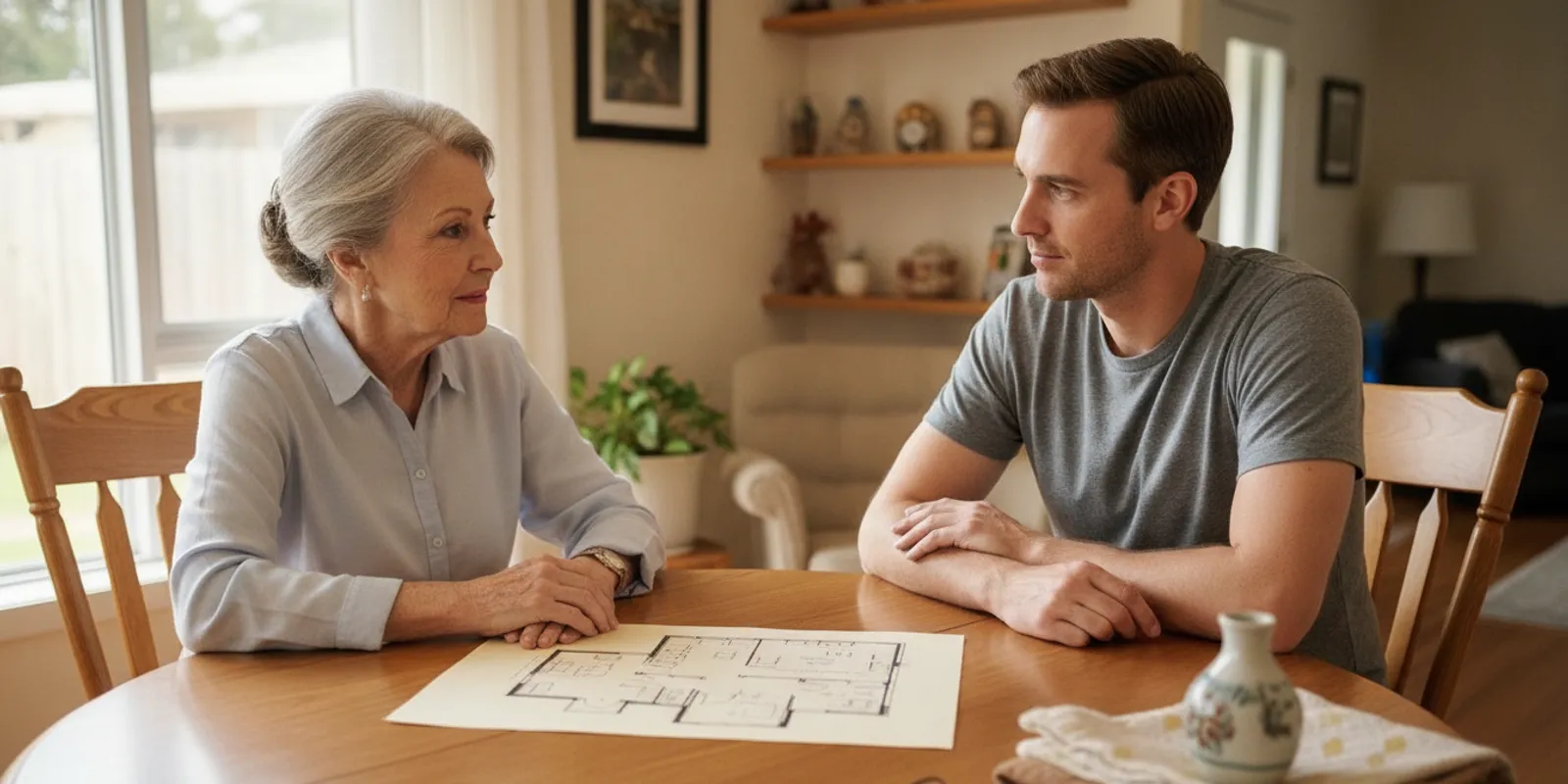
Home organizers Oklahoma City families consider for an older adult should help make daily routines easier without taking control away from the person who lives there. A helpful project can be small: giving keys a dependable place, clearing a favorite chair, or arranging familiar kitchen items. Start with the resident’s priorities, not a goal of making the home look a certain way.
What should the resident decide before organizing begins?
Begin with a conversation. Ask what part of a routine feels inconvenient and what the resident hopes will be different after the project. A family member may have noticed a crowded counter or an overfilled closet, but the resident may have another priority. Their answer should shape the first step.
It can help to ask specific, open questions: “What do you reach for most in the morning?” “Is there a spot that feels harder to use?” “Would you like help with this area today, or would another time be better?” Avoid questions that assume a person wants to get rid of things. Organizing can mean changing the location or grouping of possessions, not necessarily reducing them.
- Agree on one useful outcome. For example, make it easier to find everyday shoes or keep a bedside surface usable.
- Set a modest boundary. Choose one drawer, one shelf, or a clearly defined part of a room.
- Pick a session length together. The resident can choose when to start, when to pause, and whether to continue another day.
- Set decision rules. Decide that nothing will be donated, discarded, or moved to another room without the resident’s approval.
- Make a pause plan. Agree where undecided things will stay so that stopping does not leave the area in disarray.
These agreements matter when relatives have different ideas about what “organized” means. A family member may want an empty counter, while the resident wants a few familiar objects within sight. The successful result is one the resident can use and accepts, not one that matches someone else’s preferred appearance.
Which first project is likely to make a routine easier?
Choose an area that is used often, but keep the first effort small enough to finish or pause neatly. A familiar task gives everyone a concrete way to judge whether the change helped. Before moving items, talk through the routine from beginning to end: what the resident needs, where they naturally look, and what should remain accessible.
| Possible starting area | Practical goal | Small first step | Check before changing |
|---|---|---|---|
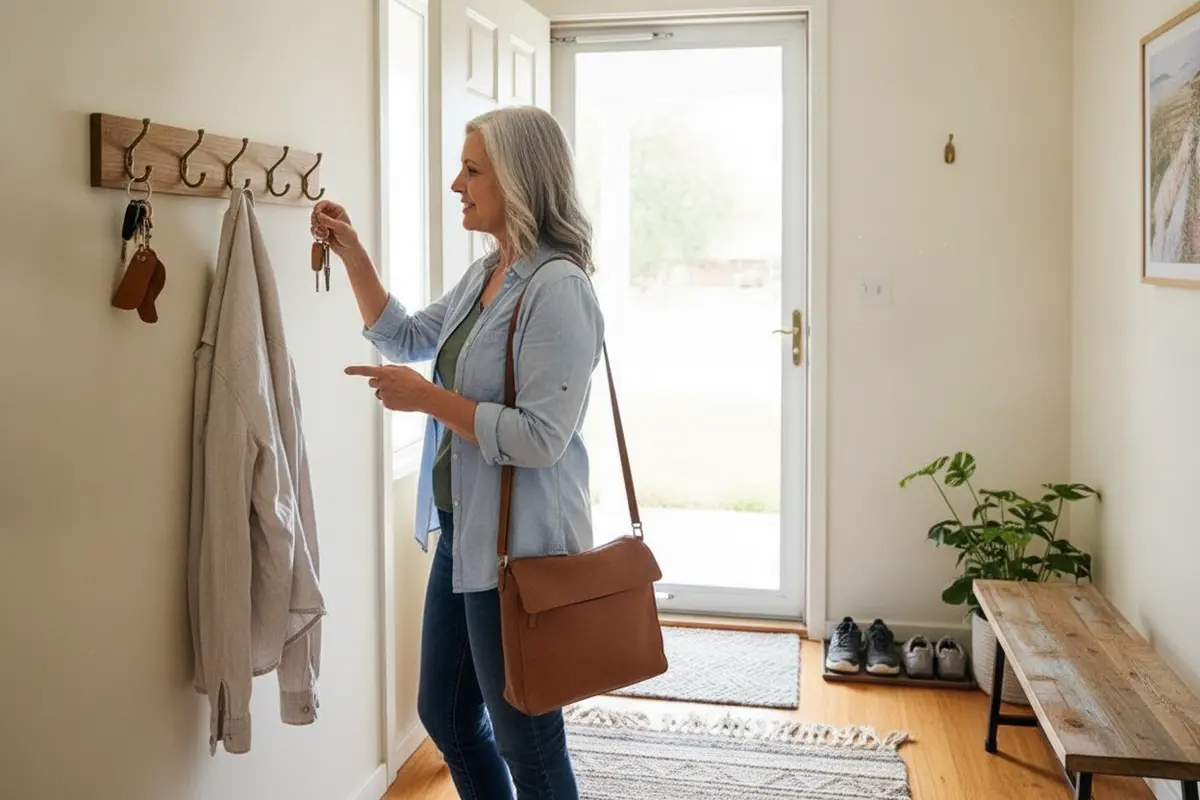
| Entryway | Make leaving and returning feel more straightforward | Choose a consistent spot for keys, a daily bag, and frequently worn shoes | Keep the path and door area usable; ask before relocating personal items |
| Bedside surface | Keep nighttime and morning essentials easy to find | Clear one portion of the table and group only the items the resident wants nearby | Do not move glasses, a phone, medicines, or other essentials without agreement |
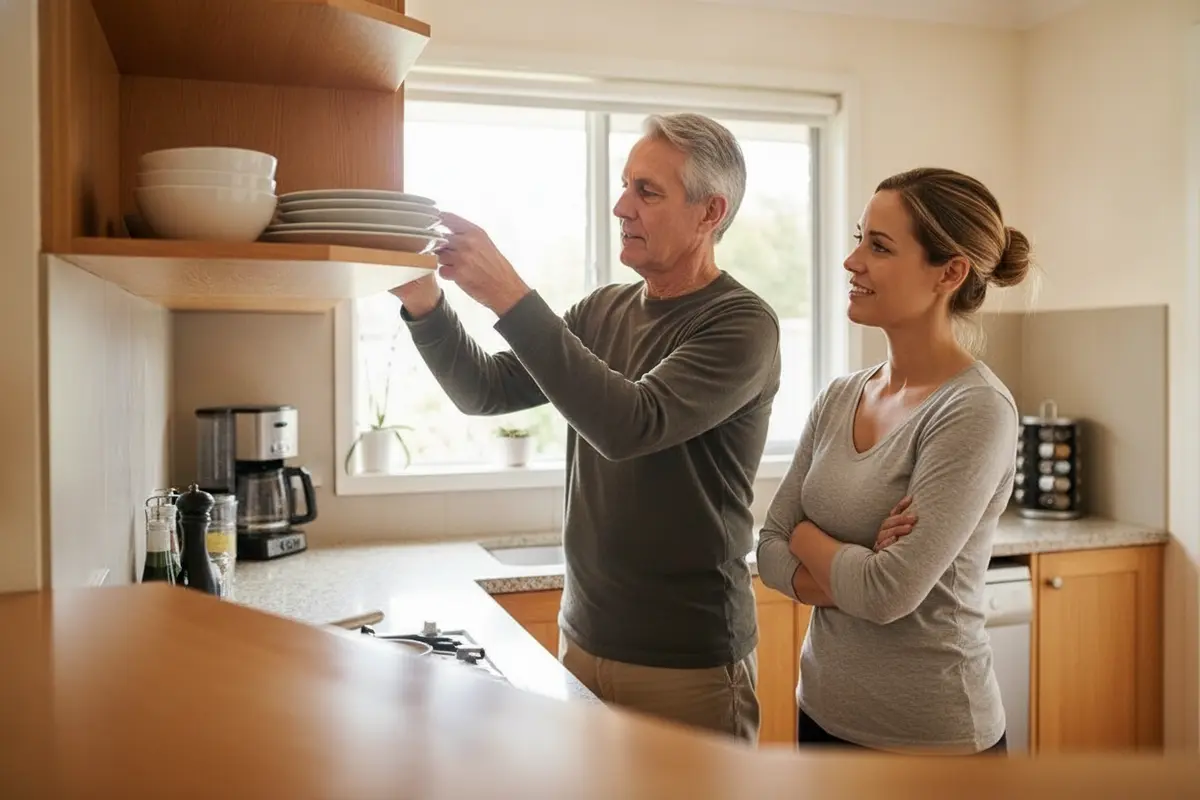
| Kitchen shelf | Make common dishes or tools easier to locate | Identify the items used most often and discuss where they feel convenient | Consider the resident’s comfort and reach; consult a qualified professional about safety concerns |
| Favorite chair area | Make the seat and nearby belongings easier to use | Sort a small surface or basket while keeping the usual seat and routine intact | Do not shift mobility aids or change walking routes without appropriate input |
| One clothing drawer | Find a regular outfit or accessory with less searching | Group a few everyday items in the way the resident prefers | Ask before setting aside seasonal, sentimental, or seldom-worn clothing |
The table offers ideas, not universal safety instructions. A convenient shelf for one person may be awkward for another. If a proposed change involves balance, mobility, vision, medical equipment, or a concern about falls, do not treat an organizing project as a substitute for professional advice. Ask a healthcare professional or occupational therapist about those needs. The National Institute on Aging provides general older-adult health and aging information at NIA.gov; use a qualified professional for advice tailored to an individual home and health situation.
How can family members sort belongings without rushing?
Use a few temporary categories that support decisions rather than force them. A simple set might be “keep in this area,” “belongs elsewhere,” and “decide later.” Add “consider giving away” only if the resident wants that option. The resident should be able to see and understand each category, and undecided items should remain easy to review.
Work one small group at a time. For a bedside table, that might mean looking at the top surface before opening a drawer. For a shelf, it could mean discussing a few frequently used cups rather than emptying every cabinet. Place items back in their new locations only after the resident agrees. If there is uncertainty, preserve the current arrangement until the question can be revisited.
Memories can make ordinary belongings meaningful. A rarely used keepsake may matter more than a practical object used every day. Instead of deciding based on frequency alone, ask what the item means and whether the resident wants it visible, stored nearby, or left where it is. If family members disagree, stop and return to the discussion later rather than trying to settle ownership or value in the middle of a work session.
How can you make a short organizing session manageable?
A useful session has a beginning, a narrow task, and a clear stopping point. Prepare the space before starting: make sure there is a comfortable place to sit if wanted, keep a drink or needed personal items nearby, and avoid bringing in more boxes or supplies than the task requires. Do not assume that a long session is more productive. A short, complete step can provide a better basis for deciding what to do next.
- Restate the goal. For example: “We are making a place for the items you use when you come home.”
- Ask before handling. Let the resident guide what can be picked up, relocated, or left untouched.
- Sort a small set. Work with a drawer, basket, or limited section rather than emptying a whole room.
- Keep decisions visible. Put approved items in their chosen places and keep undecided items in a clearly identified temporary spot.
- Pause and review. Ask whether the arrangement works and whether the resident wants to finish, adjust it, or stop.
- Leave the area usable. Do not begin more than can be put back in order before the session ends.
If the resident becomes tired, frustrated, or unsure, pause. There is no need to complete the entire task that day. A note about the next step can help everyone resume without repeating decisions. For example: “Next time, check the lower shelf; leave the labeled box closed until we talk.” Keep notes neutral and practical rather than describing possessions as problems.
What should stay accessible and familiar?
Start by identifying the items that support daily routines: a preferred mug, reading glasses, a phone charger, a calendar, or supplies the resident uses regularly. The exact list will differ from home to home. Ask the resident to show where these items are normally kept and whether that arrangement is working. If something is hard to find, try a simple, agreed-upon location rather than moving many belongings at once.
Consistency is often more useful than a complicated storage system. Keep like items together only when that grouping makes sense to the resident. Use containers or labels only if they are easy for the person to see and use. A complicated system that another family member understands but the resident does not is unlikely to remain helpful.
Take special care with documents, keys, medications, medical equipment, and items that belong to someone else. Do not discard, relocate, or combine them simply to clear a surface. For important papers, ask the resident how they want them handled and whether a trusted person should help. Follow any legal or healthcare guidance that applies to the household; an organizing session is not a place to make decisions outside the organizer’s role.
When is an organizing service a good fit?
Outside help may be useful when the resident wants hands-on support, family schedules are difficult to coordinate, or the household would like a neutral person to help keep a project focused. Before arranging a visit, describe the specific area and the result the resident wants. Clarify that the resident remains the decision-maker about belongings, and ask how the work can be paced around their preferences.
Maid OK lists home organizing and decluttering among its residential services. An inquiry can explain what the resident hopes to accomplish and ask whether the requested project is a fit. If the household would like general background before deciding, read this guide to home decluttering in Oklahoma or the article on professional organizing in Oklahoma City.
Organizing is different from cleaning. Organizing focuses on belongings, locations, and how a room supports routines. Residential cleaning focuses on cleaning household surfaces and rooms. A household may need one, the other, or both at different times. Maid OK describes one-time residential cleaning, recurring residential cleaning, and deep cleaning. Explain the actual need when asking, rather than assuming that a cleaning visit includes decisions about personal belongings.
What should you ask before requesting help?
A few direct questions can prevent misunderstandings and keep the resident involved. Ask what tasks are included, whether the resident should be present, how decisions about possessions will be handled, and whether the work can be paused at any time. Be clear about areas or items that should not be touched. If relatives are coordinating, identify who has the resident’s permission to discuss the project and who will approve changes.
- What single result would make this visit worthwhile to the resident?
- Which rooms, surfaces, or belongings are in scope, and which are off limits?
- How will undecided items be set aside and returned to the resident for review?
- Can the project be divided into shorter sessions if needed?
- Is the household asking for organizing, cleaning, or a separate combination of the two?
- What details should be provided to receive an accurate quote for the service requested?
For residential service questions, review the Maid OK house cleaning FAQ or use the contact page to explain the request. The company’s service area is centered around Norman and covers the Oklahoma City region; check the service-area information before inquiring. A quote request should describe the home and the work being considered; pricing is quote-based rather than a single price that applies to every household.
Request a free residential quote
Frequently Asked Questions
Should a senior organize an entire home at once?
No. Start with one small, clearly defined area and continue only if the resident wants to. A limited task is easier to pause, review, and adjust.
Should family members decide what to donate?
Family members should ask the resident before moving or donating personal belongings. If the resident cannot make a particular decision, follow the appropriate legal authority and the person’s known wishes rather than guessing.
What if the resident changes their mind about an arrangement?
Revisit it together. An organizing plan is only useful if it works for the person using the space. Move items back or try another agreed arrangement, and avoid treating a change of mind as a failure.
Is home organizing the same as house cleaning?
No. Organizing arranges belongings and spaces around household routines. Cleaning addresses household surfaces and rooms. Explain which kind of help is wanted when asking about a service.
Can Maid OK help with organizing?
Maid OK lists residential organizing and decluttering among its services. Contact the company or request a quote to describe the project and confirm whether the requested support is a fit.
A comfortable project begins with the resident’s own answer to one question: which everyday task would you most like to make easier?