
Home Unpacking: How Professional Organizing Can Make Moving Easier

Home unpacking can feel like a second move: the boxes have arrived, but daily life still has to happen around them. A clear order helps you turn the most important rooms into usable spaces first, then work through the rest without opening every box at once. A professional organizer can help you sort, prioritize, and make decisions about where things belong.
What should home unpacking accomplish first?
The first goal is not an empty box count. It is a home that supports the next ordinary day. You want to sleep, prepare a simple meal, find basic clothing, and move through the rooms safely. Those wins lower stress and give you a stable base for the slower decisions ahead.
Before opening boxes, write down three practical outcomes for the first few days. For example: make the bed and clear a route to it; set up a place to prepare breakfast; and find the items needed for work, school, or caregiving. Keep the list short. A move creates many competing demands, and the plan should tell you what can wait as much as what to do now.
It can help to separate "usable" from "finished." A kitchen can be usable with everyday dishes, basic cookware, and clear counters, even if specialty tools are still boxed. A bedroom can work with linens and clothing accessible, even if closet storage is not final. Treating the first pass as functional rather than perfect makes it easier to make steady progress.
What is the best home unpacking order?
Choose the order based on the household's needs, not a universal checklist. Many households begin with sleeping, bathing, and simple meals, then set up work or study areas. If someone in the home has a specific daily need, adjust the sequence around it. Keep a clear path through each room and avoid stacking boxes where people must walk.
- Set up a landing zone. Pick one surface or small area for keys, mail, chargers, and the items used every day. This reduces the chance that essentials disappear into a box or get spread across several rooms.
- Make the bedroom functional. Unpack bedding, a few days of clothing, and the items needed for the morning and bedtime routines. Leave detailed closet sorting for a later session if you are tired.
- Make the bathroom usable. Put out daily toiletries, towels, and basic supplies. Store extras together rather than scattering them across drawers and cabinets.
- Set up a simple kitchen. Start with drinking glasses, a few plates and utensils, a pan, and the food-preparation items you use most. Unpack occasional-use appliances only when you have a designated place for them.
- Prepare work, study, or family areas. Restore the equipment and supplies that support essential routines. Decide what must be reachable each day and what can remain boxed for now.
- Work through secondary storage and decor. When daily spaces function, move on to books, keepsakes, seasonal items, and display pieces. These decisions often take longer, so avoid letting them block the essentials.
Use a simple priority scale on your list: "need today," "need this week," and "later." If a box's contents do not support an immediate routine, it can wait. This small rule helps prevent the common cycle of opening several boxes, taking out a few things, and leaving everything spread across the floor.
Think about dependencies as you set the order. If you need a particular device for work, unpack its charger and any related paperwork at the same time. If you need to prepare food, place cooking tools near the counter or appliance where you will use them. Keep the next step in mind: a room feels finished when its essentials work together, not when each box has simply been opened.
Make the path through the home part of the plan. Keep exits, hallways, and access to frequently used furniture clear. Set aside flattened boxes and packing materials as you go, but do not let recycling or donation piles become another obstacle. If children or pets are in the home, choose a defined staging area that is not in their main route. A little space planning makes each later unpacking session safer and less frustrating.
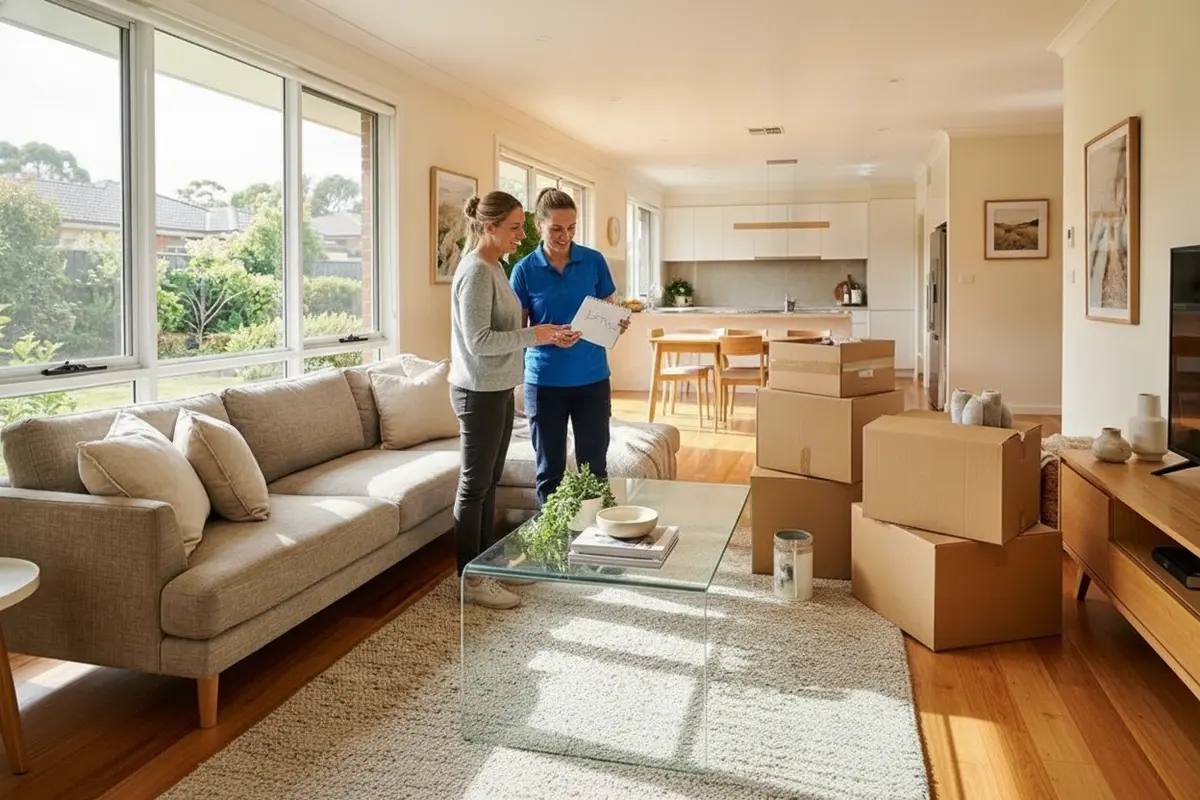
How can you make each room usable without creating new clutter?
Give items a destination before you put them away. A box should not become a drawer, and a countertop should not become long-term storage simply because it is empty. If you do not know where something belongs, place it in one temporary decision area rather than moving it from room to room.
- Group by use. Keep items used for the same routine together, such as coffee supplies or everyday toiletries.
- Put frequent-use items within easy reach. Less-used items can go higher, lower, or into a secondary storage area, if one is available.
- Use the home's existing storage first. Measure or test a space before buying organizers. Moving into a new home may reveal that the old storage system does not fit.
- Keep surfaces open for their intended work. A clear counter is easier to use than one serving as a permanent staging area.
- Make one decision at a time. If you are unsure whether to keep an item, set it aside in a defined review area and return to it later.
Try a short reset at the end of each unpacking session. Return items to their assigned rooms, flatten empty cartons if they are ready to leave, and write down the next three tasks. This gives the next session a clear starting point and keeps the whole home from becoming one large work surface.
Think about how belongings will move through the room during a normal day. Put frequently used items where they are easy to reach, but leave enough open space to use doors, drawers, and work surfaces. If a storage area is shared, agree on simple boundaries, such as one shelf for each person or one basket for items that need to go elsewhere. A small system that everyone can follow is more useful than a complicated arrangement that depends on one person maintaining it.
For belongings without a final place, use a clearly defined temporary container or shelf and set a date to review it. Keep this area small enough to notice when it fills. If the same items repeatedly land there, that is a signal to adjust the room's storage or routine rather than adding another box. The purpose is not to force a permanent decision immediately; it is to prevent temporary choices from spreading across the home.
If you are also sorting belongings that no longer suit the new space, keep that work focused. Choose a small category, such as duplicate kitchen items or books, and decide what stays before moving to the next group. A local professional home organizing service may be able to help you create order and make better use of the space. Ask about the exact scope before booking; organizing needs can differ from one home to another.
What should you prepare before asking for organizing help?
A little preparation makes it easier to use a professional's time well. You do not need to unpack everything or tidy the whole home first. Instead, clarify the result you want and make it possible to see the spaces and belongings that need attention.
- Identify the priority rooms. Name the spaces that most affect daily life and say why. "We need the kitchen ready for weekday breakfasts" is more useful than "Help with the boxes."
- List the routines to support. Consider meals, getting ready, work, school, hobbies, and caring for family members. The storage plan should make those routines easier.
- Mark fragile or important items. Let the organizer know which items need special care or should not be moved without your direction.
- Decide who will make final choices. If more than one person lives in the home, agree on how to handle shared belongings and items that need an owner's decision.
- Set aside essentials. Keep medication, important papers, valuables, chargers, and a few changes of clothing accessible rather than buried in a box.
- Share constraints. Mention room dimensions, storage limits, access considerations, household schedules, and any areas you do not want included.
If possible, gather the boxes for the priority room in or near that room before the session, while keeping walkways clear. A few simple labels can help identify broad contents such as "bedding," "everyday dishes," or "office supplies." Avoid opening all of them in advance if you are not sure what belongs where. The goal is to make the work visible, not to create another half-finished sorting project.
Also decide what you want to happen with items that do not have an obvious destination. Some may belong in a different room, some may need a later decision, and some may not suit the new home. A designated "review with me" spot keeps these items together so a quick placement choice does not turn into a long interruption. You can agree on this approach before work begins.
Photos can help explain the layout and the amount of work, but they do not replace a conversation about priorities. Make a short list of questions and describe what a successful session would change. The National Association of Productivity and Organizing Professionals is a professional association that provides information about organizing professionals; you can learn more at NAPO's website.
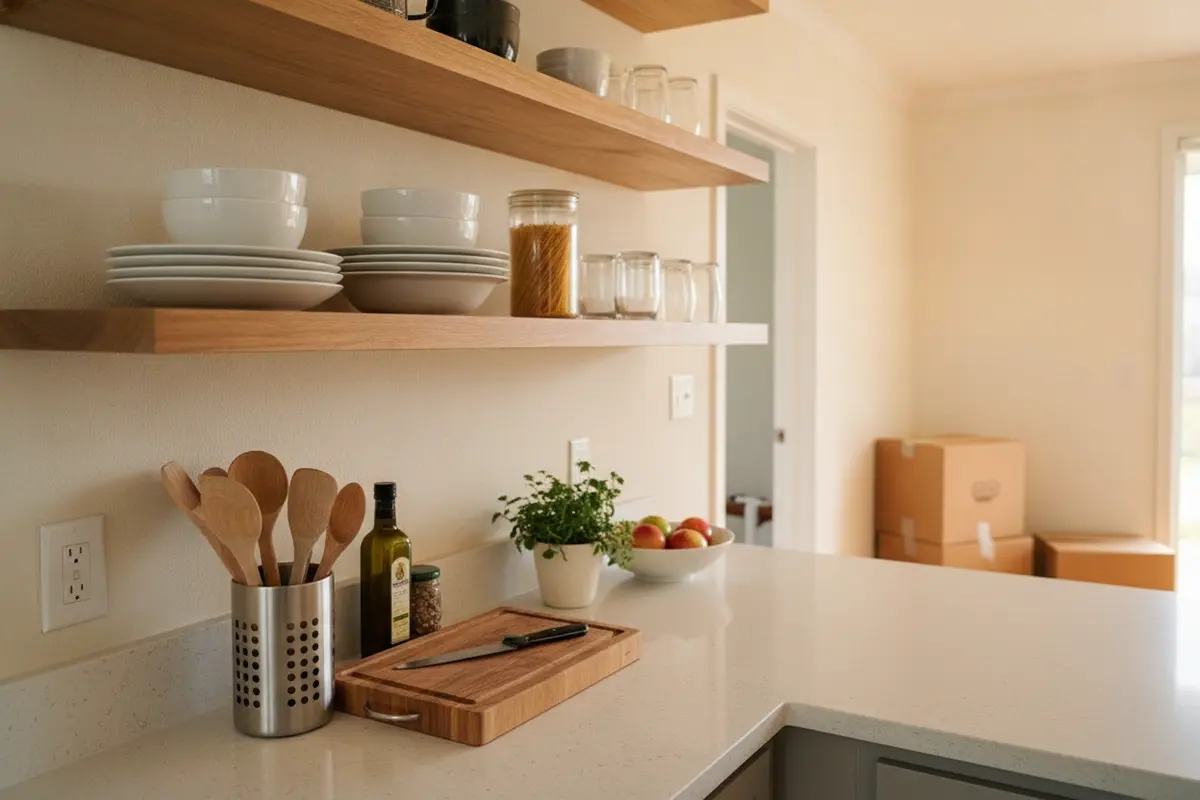
What should you ask before booking an organizer?
Different organizers may offer different types of support. Ask about the work itself, how decisions are handled, and what preparation is useful. A clear conversation helps both sides understand whether the requested help is a good fit.
| Topic | What to ask | Why it matters |
|---|---|---|
| Scope | Which rooms and tasks are included in the session? | "Unpacking" can mean sorting, putting items away, setting up storage, or a combination. |
| Decisions | Will I need to be present to make keep, donate, or placement decisions? | Your preferences guide where belongings go and what stays in the home. |
| Supplies | Should I have storage products ready, or will we first assess what the home already has? | It is often useful to understand the space before buying containers. |
| Timing | How much can reasonably be addressed in one session? | The answer depends on the number of items, the room, and how many decisions are needed. |
| Preparation | What should I do before the appointment, and what should remain untouched? | A few clear instructions can prevent duplicate effort or misplaced essentials. |
Ask for a quote based on the work you have described, and confirm what is included before scheduling. Maid OK serves the greater Oklahoma City area; its service-area page can help you check the towns listed. For a general overview of household services, review the house cleaning FAQs. These pages can help you understand the company's cleaning services, while an organizing request should be discussed specifically so expectations are clear.
How can you keep unpacking manageable after the first week?
Once the essential rooms work, set a realistic pace for the remaining boxes. Choose a regular block of time rather than waiting for a free weekend that may never appear. A focused 30- or 45-minute session can be enough to finish one shelf, one drawer, or one clearly defined category.
Give each session a clear finish line. For example, put away the dishes in one box, make room for coats in a single closet section, or sort the contents of one bedside box. Stop when that task is complete, even if the larger room still needs attention. A visible, finished result makes it easier to pick up the plan later.
Keep a visible list of what remains, but avoid treating every unopened box as equally urgent. Mark boxes that contain seasonal or occasional-use items and move them to a suitable storage place if you have one. Handle important paperwork and fragile belongings deliberately. If the contents are unclear, inspect one box at a time and update its label before putting it away.
For items that do not fit, pause before buying more storage. Consider whether the item is needed, whether another room has a better location, or whether the storage solution can be adjusted. If a room needs more than sorting, such as furniture placement or a reset of several crowded zones, break the work into separate goals. If you want help creating functional zones, review Maid OK's professional organizing and clean-up service and confirm the rooms and tasks you want included before scheduling.
Moving also creates cleaning tasks, especially once floors and surfaces are accessible. If you need help with home cleaning alongside the organizing plan, you can review Maid OK's house cleaning services and ask which option matches the home's condition. Keep the organizing and cleaning scopes clear so you know which tasks are being requested.
Frequently Asked Questions
Should I unpack every box before an organizer arrives?
No. You can leave boxes closed and identify the rooms or routines that need attention first. Share any important instructions, such as boxes that contain fragile items or belongings you want to handle yourself.
What should I unpack on the first day?
Start with what supports sleep, bathing, meals, and the next day's routine. Keep essentials accessible, then decide which other rooms need to function soonest for your household.
Should I buy bins and shelves before unpacking?
Usually, it is sensible to assess the belongings and available storage before buying a large number of containers. First determine what you will keep, where it will live, and whether the existing storage can work.
Can an organizer decide what I should keep?
You remain the decision-maker about your belongings. An organizer can help you sort items, consider how you use them, and create a system. But clarify in advance how decisions will be made and which items require your approval.
How do I know if I need organizing help or cleaning help?
Organizing focuses on sorting belongings and creating functional places for them. Cleaning focuses on removing dirt and maintaining surfaces. Some homes need one type of help, while others benefit from coordinating both with clear expectations about each task.
A thoughtful order turns home unpacking into a set of manageable decisions, with the most useful rooms ready first and the rest handled at a steady pace.