Office Cleaning Checklist Oklahoma City Guide
By Maid OK
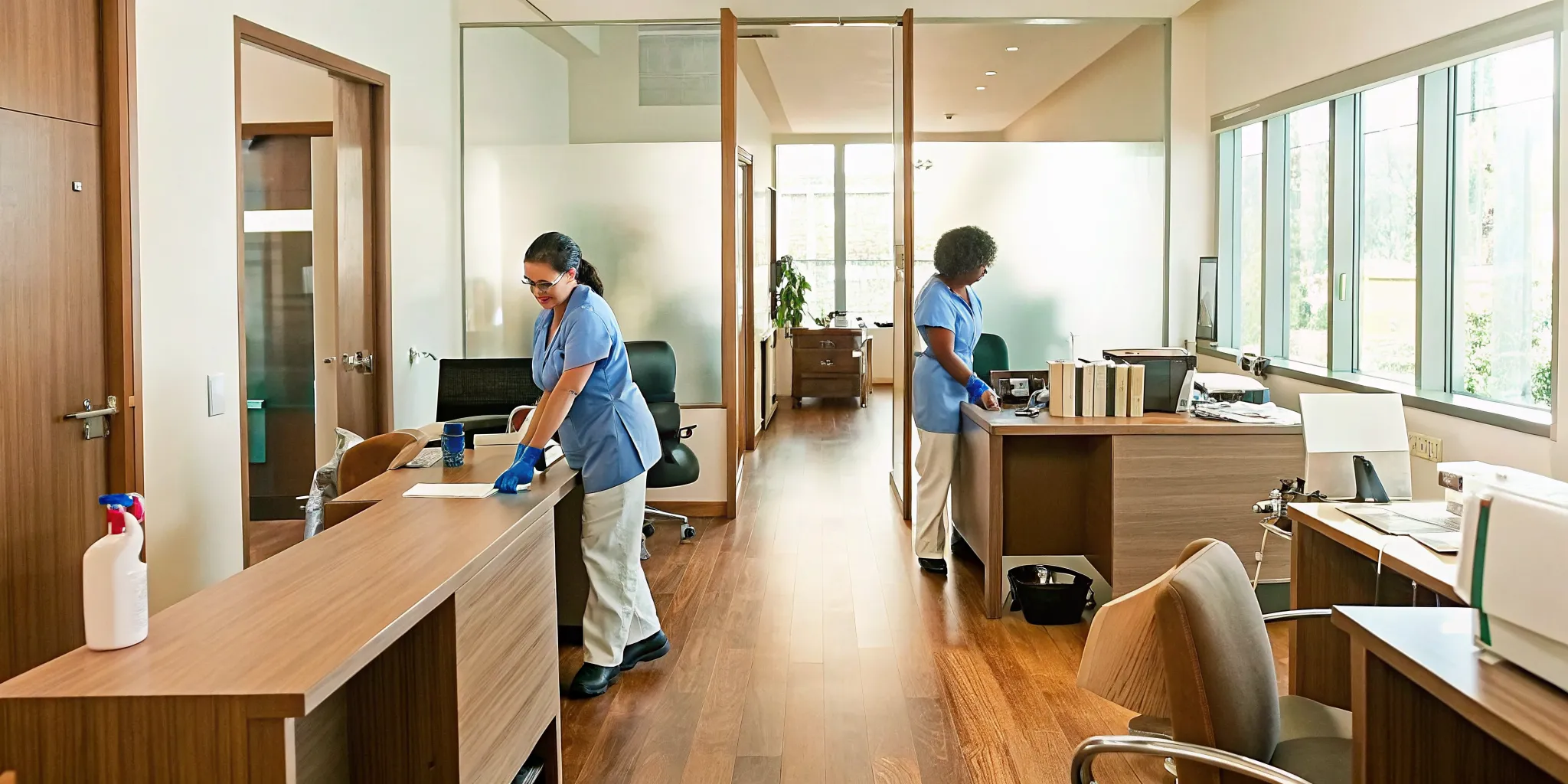
A clean office should not depend on who remembered the trash that day.
Request a free commercial janitorial quote for your Oklahoma City office
An office cleaning checklist Oklahoma City businesses can use should divide work into daily, weekly, and monthly tasks for reception areas, desks, restrooms, breakrooms, floors, trash, and high-touch surfaces. The best checklist also names who is responsible, when each task happens, and when scheduled janitorial help makes sense.
This guide gives office managers a practical checklist they can adapt to their space. It also shows where Maid OK's commercial janitorial services in OKC can make cleaning more consistent without adding another job to the staff list. The first step is a daily standard your team can actually use.
Office cleaning checklist Oklahoma City businesses can use daily
A written office cleaning checklist gives each shift a clear standard. Without one, small tasks can get missed when staff change or busy days disrupt routines. That consistency helps an Oklahoma City office stay ready for employees, visitors, and clients.
A clear plan for each area
The checklist should divide the office into zones and name the task for each one. It should also show who handles the task and when it is due. This makes the work easy to check instead of relying on memory.
- Reception: straighten seating, wipe the front desk, clean glass, and empty bins.
- Workstations: remove trash and wipe shared desks, phones, and keyboards.
- Restrooms: clean fixtures, disinfect touch points, restock supplies, and check odors.
- Breakrooms: wipe counters and tables, clean sinks, and remove food waste.
- Floors: vacuum carpet, sweep hard floors, and spot-clean spills.
These zones do not all need the same level of care. A busy lobby or shared restroom may need checks during the day. A private office may only need one scheduled visit. Scheduled office cleaning support can build the checklist around the office layout and work hours.
Daily focus on shared touch points
Door handles, light switches, shared equipment, and breakroom surfaces pass through many hands. Put these touch points on the daily list, rather than leaving them for occasional deep cleaning. The CDC workplace hand hygiene guidance also explains how clean hands help prevent germs from spreading at work.
Restrooms and breakrooms need their own checks because use can change from one day to the next. Assign a set check time, then leave space to record restocking or spill cleanup. This simple record helps an office manager spot repeat issues before they become complaints.
A checklist that fits local operations
Oklahoma City businesses range from small professional offices to active shops with steady foot traffic. Their daily lists should reflect visitor volume, floor type, shared spaces, and business hours. Seasonal dust, wet entryways, and special events may also call for added tasks.
Keep the checklist short enough to use, but detailed enough to verify the work. Review it when the office layout, staffing, or schedule changes. Businesses that want a plan matched to their space can request a janitorial estimate for flexible service.
Daily office cleaning tasks that keep the workday running
A useful office cleaning checklist for Oklahoma City starts with tasks that affect staff and visitors each day. Assign each area to a named person or cleaning team. Then set a completion time, such as before opening or after closing. This simple approach makes missed tasks easier to spot and fix.
Reception areas and workstations
Start at the entrance because it shapes a visitor's first view of the business. Straighten chairs, wipe the reception desk, clean the door glass, and remove visible marks. Check that walkways stay clear and that entry mats lie flat.
- Dust open desk surfaces, shelves, and shared counters without moving private papers.
- Disinfect door handles, light switches, railings, shared phones, and copier controls.
- Empty desk-side bins, replace liners when needed, and take waste to the proper collection point.
- Refill soap, sanitizer, tissues, and other shared supplies before staff arrive.
Give high-touch points extra care during busy days. The CDC's workplace hand hygiene guidance explains that clean hands help prevent germs from spreading at work. Pair stocked handwashing supplies with routine surface cleaning for a practical daily plan.
Restrooms and breakrooms
Restrooms and breakrooms need their own checks because people use them often and expect them to stay ready. In restrooms, clean and disinfect toilets, sinks, faucets, counters, handles, and dispensers. Refill toilet paper, soap, and towels, then note leaks or damage for repair.
- Wipe breakroom counters, tables, cabinet pulls, appliance handles, and sink fixtures.
- Remove food waste and replace trash liners before odors or pests become a concern.
- Wash visible spills, crumbs, and residue from floors and other shared surfaces.
- Check refrigerators for spills, but follow the office policy before discarding labeled food.
Office managers should log each check with the date, time, and initials of the person who completed it. If daily upkeep pulls staff away from core work, start a commercial cleaning quote for a plan built around the office schedule.
Floors, trash, and final checks
Finish with tasks that cover the whole office. Vacuum carpets and mats, sweep hard floors, and spot-clean spills as soon as they appear. Use caution signs around wet areas, and keep exits free from bags, cords, or cleaning tools.
- Collect trash and recycling from offices, meeting rooms, restrooms, and shared spaces.
- Look under desks and tables for missed debris without disturbing employee belongings.
- Check high-touch points again, including handles, switches, railings, and shared equipment.
- Record supply shortages, damage, unusual odors, or spills that need follow-up.
A final walk-through turns separate chores into one clear daily standard. Compare completed work against the checklist, then address any gap before the next workday. Maid OK's Maid OK cleaning services can include floor care and restroom maintenance within a custom schedule.
Weekly and monthly office cleaning schedule
A weekly and monthly plan keeps less urgent work from slipping through the cracks. It also helps managers separate routine upkeep from the deeper tasks that need more time.
Use this office cleaning checklist for an Oklahoma City small business as a starting point. Then adjust it for foot traffic, office layout, shared spaces, and the type of work your team does.
Core weekly tasks
Weekly cleaning should focus on the buildup that remains after daily trash removal and touchpoint care. Dust reachable surfaces, clean interior glass, and give floors a full pass. Break rooms and restrooms also need close checks because many people share them.
| Area. | Weekly tasks. | Monthly tasks. |
|---|---|---|
| Desks and common areas. | Dust open surfaces, ledges, and shared furniture. | Dust vents, high ledges, blinds, and overlooked edges. |
| Glass and entry. | Remove marks from doors, partitions, and entry glass. | Clean full panes, frames, tracks, and interior sills. |
| Break room appliances. | Wipe appliance fronts, handles, counters, and sink. | Clean microwave interior, refrigerator shelves, and cabinet fronts. |
| Floors. | Vacuum edges and mats; mop hard floors. | Spot-treat carpet and detail corners and baseboards. |
| Restrooms. | Clean fixtures, partitions, mirrors, and floors. | Detail grout, bases, dispensers, vents, and hard-to-reach areas. |
| Supplies and seasonal soil. | Check soap, paper goods, liners, and visible dust or pollen. | Review stock levels and deep-clean areas with recurring buildup. |
The weekly list should reflect how employees use each room. A busy break room may need appliance cleaning more than once each week. A small conference room that rarely hosts guests may need less frequent detail work.
Monthly detail work
Monthly cleaning reaches areas that routine passes may miss. It is a good time to clean high ledges, vent covers, baseboards, glass tracks, and furniture edges. Rotate tasks when one monthly visit cannot cover every detail.
Supply checks belong on both schedules. Weekly checks prevent an empty soap or paper dispenser during business hours. The CDC calls hand hygiene an easy and effective way to help prevent germ spread and keep employees healthy.
Managers should also note damaged dispensers, floor wear, or stains that need extra care. These notes make it easier to set clear expectations with Maid OK team. They also show which tasks need a new frequency.
Seasonal Oklahoma City adjustments
Visible dust and pollen can change what an office needs from week to week. During heavier buildup, add an entry mat check and clean glass doors more often. Vacuum around entrances before soil spreads into halls and work areas.
After storms or high-traffic events, inspect floors and entry glass rather than waiting for the next set date. A flexible plan keeps the schedule useful without turning every task into a weekly requirement.
Review the plan with the person who handles cleaning, then revise it as the office changes. Businesses that need help setting the right scope can contact Maid OK for a custom schedule.
How to build a cleaning plan your team will actually follow
A useful office cleaning checklist for Oklahoma City should fit the way your team uses the space. Start with real work patterns, not an ideal schedule that no one can maintain. Keep each task clear, give it an owner, and allow enough time to do it well.
A practical five-step plan
Use the steps below to turn a broad checklist into a routine your staff and cleaning provider can follow. The plan should make ownership clear without placing blame when a task is missed.
- Assign zones and owners. Divide the office into clear zones, such as reception, work areas, restrooms, and the break room. Give each zone one named owner who checks its condition and reports needs.
- Set a workable frequency. Match each task to how often the area is used and how quickly it gets dirty. Give shared spaces and high-touch surfaces more frequent care than low-use rooms.
- Document supplies and storage. List the product, tool, and refill needed for each task. Note where supplies belong, who checks stock, and when the team should request replacements.
- Schedule professional support. Decide which tasks need trained cleaners, special equipment, or after-hours access. A provider offering organizing and cleanup support can handle those jobs on a schedule built around office needs.
- Review the standard. Walk through each zone with the owner and cleaning provider. Compare the result with the checklist, note gaps, and adjust tasks or timing when office use changes.
Clear standards and safe routines
Write each task so two people would understand it the same way. Instead of saying "clean the break room," name the surfaces, expected result, and person responsible. Use professional cleaning standards as a starting point, then adapt them to your office.
Include simple hygiene habits alongside cleaning duties. The CDC describes hand hygiene as an easy and effective way to limit germ spread and help keep employees healthy. Place soap, towels, and waste bins where staff can use them without extra steps.
A review rhythm that works
Check the plan after staff have used it for a short trial period. Ask which tasks are unclear, often missed, or scheduled at the wrong time. Change the plan rather than expecting staff to work around a poor fit.
After the routine settles, review it when staffing, office hours, or space use changes. A brief zone walk can show whether frequencies still make sense. Record updates in one shared copy so employees and cleaners follow the same plan.
When commercial janitorial services OKC businesses make sense
Staff-managed cleaning works when the office is small, traffic is light, and someone clearly owns each task. It starts to fail when cleaning gets skipped during busy weeks or creates tension over who should handle it. If missed trash, dusty floors, or poorly stocked restrooms become routine, scheduled janitorial service may be the more reliable choice.
Another sign is that managers spend time checking supplies, assigning work, or correcting uneven results. Those duties pull attention away from customers, staff, and daily operations. Moving to reliable professional janitorial services lets a business define tasks, timing, and quality checks instead of managing cleaning shift by shift.
A checklist that matches the workplace
A useful office cleaning checklist Oklahoma City businesses can follow should match how each room is used. Reception areas, shared desks, break rooms, restrooms, and floors often need different timing and methods. The goal is not to clean every space the same way. It is to make sure important work gets done on a steady schedule.
The CDC describes hand hygiene as an easy, affordable, and effective way to prevent germ spread and keep employees healthy. That makes clean restrooms, stocked handwashing supplies, and regular care of shared spaces important parts of the plan.
- Restroom cleaning, restocking, and odor checks.
- Floor vacuuming, mopping, and planned care.
- Trash removal and attention to shared spaces.
- Break room cleaning based on daily use.
- Periodic work that does not fit the daily list.
Schedules built around business needs
Professional service also makes sense when one schedule does not fit every area. A busy lobby may need frequent care, while a low-use room may need less attention. A custom plan can set the right tasks for each visit and place cleaning outside customer-facing hours.
Reliable scheduling also reduces the risk that cleaning depends on one employee's workload or availability. The service team owns the assigned work, while the business keeps a clear way to report concerns. This setup is useful for growing offices, client-facing spaces, and workplaces with steady restroom traffic.
Less supply management and lower commitment
Buying products, storing tools, and replacing equipment can create extra work for a small business. Maid OK provides the supplies and equipment needed for its janitorial work, which removes those items from the office manager's list. Businesses can also choose service without a required contract, so the plan can stay flexible as needs change.
Maid OK backs its cleaning with a 100% satisfaction guarantee and a 48-hour resolution promise. Those terms give a business a clear path when work needs attention. An owner or office manager can compare cleaning quote options to compare a custom schedule with the time and cost of staff-managed cleaning.
What areas need the most attention in an office?
Quick answer: Focus first on shared, high-touch areas: entrances, reception desks, restrooms, breakrooms, door handles, switches, phones, and conference tables. Weekly and monthly tasks can then cover desks, floors, baseboards, vents, storage areas, and spots where dust or traffic buildup hurts the office impression.
Daily priority: shared and high-touch spaces
Start each day with surfaces that many people touch. Door handles, light switches, elevator buttons, railings, shared phones, and copier controls all belong in this group. Wipe them often, especially during busy periods. The CDC's workplace hand hygiene guidance explains that clean hands help prevent germs from spreading at work.
Restrooms and shared kitchens also need daily care. Clean restroom fixtures, refill soap and paper goods, empty waste bins, and check floors for spills. In kitchens, wipe counters, sinks, appliance handles, tables, and other food contact areas. Remove trash before odors affect nearby workspaces.
Reception and entry areas shape a visitor's first view of the business. Clear fingerprints from doors and glass, straighten seating, dust the front desk, and remove tracked-in dirt. These quick tasks make the whole office appear more orderly before a visitor reaches a meeting room.
Routine priority: desks and meeting rooms
Desks need regular cleaning, but staff preferences and private materials require care. Empty common waste bins, dust clear surfaces, and wipe shared workstations each day. Set a clear policy before moving papers or cleaning personal equipment. A simple desk rule prevents missed areas and avoids disrupting work.
Meeting rooms can move from empty to crowded several times in one day. Wipe tables, chair arms, remotes, markers, and shared screens after heavy use. Reset chairs and remove cups before the next group arrives. These details influence how employees and clients judge the room.
Office managers can match these priorities to a custom plan through reliable professional janitorial services. A clear scope helps cleaners focus on the spaces that affect staff, guests, and daily operations most.
Condition-based priority: floors and deeper tasks
Floors show the impact of weather, foot traffic, and outside debris. Vacuum or mop entrances, restrooms, kitchens, and main walkways as often as their condition requires. Clean spills at once. Low-traffic corners may need less frequent care, while rainy or windy Oklahoma days can increase entry cleaning.
Use visible condition and office use to set the rest of the schedule. Dust vents, wash interior glass, clean baseboards, and treat carpets before buildup becomes obvious. Review the checklist after busy events, seasonal changes, or staff feedback. This approach keeps attention on areas that shape both hygiene and perception.
How do you choose an office cleaning service in Oklahoma City?
Quick answer: Choose an Oklahoma City office cleaning service by comparing scope, schedule, supplies, communication, and service terms. The right provider explains what is included, offers flexible timing, brings needed supplies and equipment, and builds a plan around your office traffic instead of using one generic package.
Local experience and a clear scope
Ask whether the company regularly cleans offices like yours in the Oklahoma City area. A small medical office, retail space, and shared business suite each have different needs. Local experience also helps a provider plan around weather, building access, and your operating hours.
Request a written scope that names the rooms, tasks, and service schedule. It should state who handles trash, restrooms, floors, break rooms, and high-touch points. The CDC's workplace hand hygiene guidance explains that hand hygiene helps prevent germs from spreading and keeps employees healthy.
- Confirm which daily, weekly, and periodic tasks are included.
- Ask how missed work or quality concerns are reported and fixed.
- Check whether supervisors inspect completed work.
- Make sure restricted rooms and alarm steps are documented.
Supplies, scheduling, and service terms
Find out whether the provider brings all supplies and equipment. Included supplies can simplify budgeting and prevent surprise charges. Also ask which products are used on your floors, desks, and shared spaces. The team should note any surface limits or product needs in writing.
Flexible scheduling matters when cleaning cannot disrupt staff or customers. Ask about early morning, evening, or weekend visits, along with steps for schedule changes. Review reliable professional janitorial services to see how custom plans can match a business's space and routine.
Read the service terms before agreeing to a plan. Check whether a long contract is required, how cancellations work, and what the satisfaction guarantee covers. A clear guarantee should explain the time allowed to report a concern and how the provider will resolve it.
The quote and final review
A useful quote starts with questions about your office, schedule, and priorities. Invite the provider to view the space when possible. This gives both sides a chance to discuss access, storage, busy areas, and tasks that may cost extra.
Ask for one written quote that matches the agreed checklist. It should show the visit schedule, included work, supply costs, add-ons, and payment terms. When you get a free commercial cleaning quote, share your checklist so the estimate reflects the actual work.
- Compare the scope and schedule, not just the total price.
- Verify insurance, staff screening practices, and access procedures.
- Confirm the main contact for questions and service changes.
- Keep the final checklist with the signed service terms.
Frequently Asked Questions
What is the daily cleaning checklist for offices?
A daily office cleaning checklist should cover trash and recycling removal, restroom cleaning, break room wipe-downs, floor care, and high-touch surfaces such as door handles and shared equipment. Reception areas and conference rooms should also be reset for the next workday. Assigning each task to a person or scheduled janitorial visit helps prevent missed work.
Why is a consistent office cleaning checklist important for small businesses?
A consistent checklist makes responsibilities clear and helps prevent high-touch surfaces, restrooms, and shared spaces from being overlooked. Regular cleaning also supports workplace hygiene alongside good handwashing practices. The CDC reports that promoting hand hygiene at work can reduce respiratory illnesses, such as colds, by 21%.
Should office break rooms and kitchens have a separate cleaning checklist?
Yes. Office break rooms and kitchens need a separate checklist because food, spills, appliances, and shared surfaces create different cleaning needs. Daily tasks should include wiping counters and tables, cleaning sinks, checking appliances, emptying trash, and mopping spills. Weekly work can cover refrigerator shelves, cabinet fronts, and less-used appliances. Keep food-contact cleaning tools separate from restroom supplies.
How do I choose an office cleaning service in Oklahoma City?
Compare providers based on scheduling reliability, included tasks, supplies, insurance, quality checks, and how they handle service concerns. Ask for a written scope that separates daily, weekly, and periodic work. For offices with changing needs, look for flexible scheduling and a custom plan. Maid OK offers commercial janitorial services with custom plans for Oklahoma City area businesses.
Ready for a cleaner Oklahoma City office?
A checklist is helpful, but the real value comes from a cleaning routine that happens on schedule. Maid OK helps small and midsize businesses keep reception areas, workstations, restrooms, breakrooms, and floors ready for the next workday. Our local team can build a janitorial plan around your hours, your space, and your priorities, with supplies and equipment included.
Request a free commercial cleaning quote and tell us what your office needs most.
Need a hand with the actual cleaning? Get a free Maid OK quote.