
Pet-Friendly House Cleaning Tips Oklahoma Pet Owners Need
By Maid OK
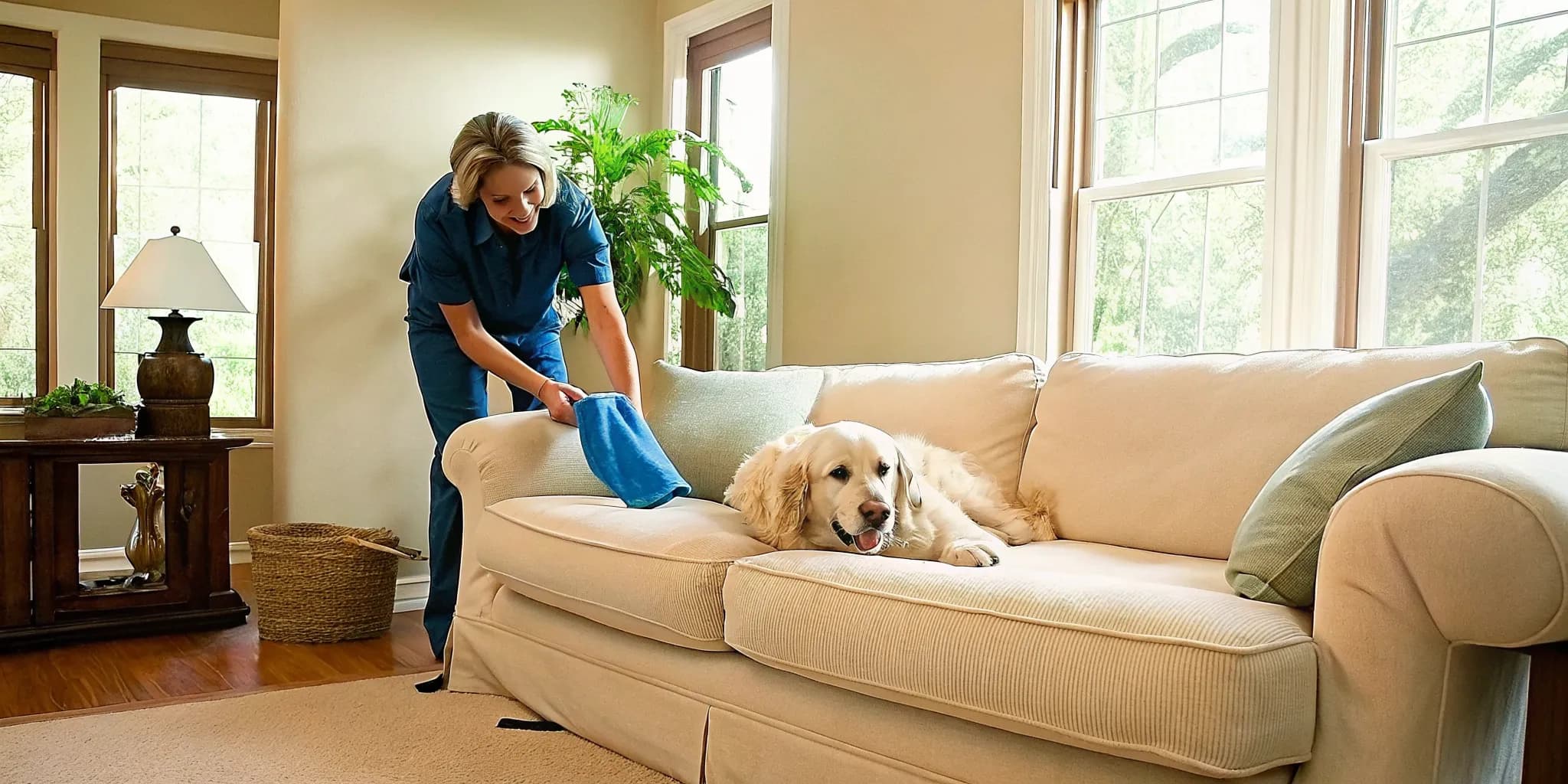
Oklahoma pets bring plenty of joy into a home, along with muddy paws, loose fur, and the occasional stubborn odor. The good news is that keeping up does not require spending every weekend on a whole-house cleaning marathon. Small habits, repeated consistently, help prevent messes from spreading and make deeper cleaning much easier.
The most effective pet-friendly house cleaning tips Oklahoma pet owners can use are simple: wipe paws at the door, remove hair before it settles. Clean feeding areas regularly, and choose cleaning products that are safe for the animals in your home.
A practical routine also gives you a better way to handle Oklahoma weather. Whether your dog tracks in red dirt after a rainy walk or your cat leaves fur on favorite furniture. Start by building a few quick daily habits around the busiest parts of your home, then adjust them to fit your pets and schedule.
Pet-Friendly House Cleaning Tips for Oklahoma Pet Owners: Build a Daily Routine
A pet-friendly home stays manageable when cleaning is part of the day instead of a weekend emergency. A few minutes at the right times can stop muddy paw prints, loose hair, and food crumbs from spreading through the house. That matters for Oklahoma pet owners, where outdoor dirt can quickly come inside on busy days.
Start at the door
Keep a washable mat, a small towel, and a shallow container of water near the entrance your pet uses most. After a walk or time in the yard, wipe each paw before your pet heads to the living room. Check between the paw pads when the ground is wet or muddy. Mats and absorbent rugs at entry points help trap dirt and moisture before pets track it farther indoors, according to cleaning guidance for pet owners.
Vacuum the high-traffic areas every day
A quick daily vacuum does not need to cover every room. Focus on entryways, hallways, rugs, and the spots where your dog or cat rests most often. A cordless handheld vacuum kept near a favorite lounging area makes short touch-ups easier. On carpet, vacuum in more than one direction to loosen hair that a single pass can miss. If you see a fresh accident, clean it promptly with an appropriate enzymatic product rather than allowing the odor to settle into the flooring.
Refresh furniture and feeding areas
Run a lint roller over upholstered chairs, sofa cushions, and pet beds during your daily reset. Roll slowly across seams and corners, where hair tends to collect. Martha Stewart also recommends lint rollers for quick furniture touch-ups and suggests letting baking soda sit for 15 to 30 minutes before vacuuming when addressing some pet odors. Test any product on an inconspicuous area first, and keep pets away from treated surfaces until they are ready for use.
After each meal, sweep or wipe around the feeding station. Wash food and water bowls regularly, wipe splashes from the wall or floor, and replace stale water. Keeping the food zone contained prevents crumbs from becoming another source of tracked debris.
These small habits practiced consistently make a larger difference than occasional marathon cleaning sessions. For households that want a lower-toxin approach to routine maintenance, consider eco-friendly cleaning for pet owners. The goal is not a spotless home every minute. It is a simple rhythm that keeps messes from becoming overwhelming.
Managing Pet Hair, Dander, and Odors in Your Oklahoma Home
Pet hair is easy to see, but it is only part of what settles into an Oklahoma home. Hair can collect dander and carry dust mites, mold, and pollen, while pet allergens also come from proteins in dander, saliva, and urine. The American Academy of Allergy, Asthma &. Immunology notes that cat and dog allergies affect 10% to 20% of the world's population, so reducing buildup matters for household comfort.
Remove hair from soft surfaces first
Start with the places pets spend the most time. Use a vacuum attachment or rubber grooming tool on upholstered furniture, working along seams and under cushions where hair collects. On carpet, vacuum in more than one direction to lift embedded strands that a single pass can miss. A cordless handheld vacuum makes quick touch-ups easier around beds, couches, and favorite lounging spots.
Curtains and fabric blinds can hold both hair and airborne particles. Vacuum them with a brush attachment from top to bottom, then follow the care label before washing or taking them for professional cleaning. In homes with shedding pets, washable furniture covers can reduce the amount of hair worked into upholstery and make regular maintenance more manageable.
Neutralize odors without masking them
For a fresh, dry carpet or fabric surface, sprinkle a light layer of baking soda and let it sit for 15 to 30 minutes before vacuuming thoroughly. This can help neutralize everyday odors. For urine odors or a specific accident, use an appropriate enzymatic cleaner rather than relying on fragrance to cover the smell. Always follow the product directions and keep pets away from a damp or treated area until it is safe.
Lower dander and allergen buildup
Vacuuming helps remove settled particles, but it should be paired with dusting and attention to airflow. Change HVAC filters according to the manufacturer's schedule, and clean air-return grilles so dust and hair do not continue circulating. Pay special attention to bedrooms, upholstered furniture, and other rooms where people spend extended time. Pet allergens can remain in a home for up to six months after a pet leaves. According to the AAFA, which makes consistent cleaning more useful than an occasional marathon session.
Choose pet-safe cleaning products when you need help with a larger reset. A consistent plan can keep hair, odors, and allergens from becoming a bigger cleaning project later.
How Pet Owners Can Protect Furniture and Flooring
Protective layers make pet cleanup easier. You can wash or replace the layer that takes the most wear. This helps more than scrubbing the furniture or floor every time.
- ### Cover the furniture your pets use most
Place machine-washable furniture covers or slipcovers on sofas, chairs, and other favorite resting spots. Choose a fitted cover that stays in place when a dog jumps up or a cat kneads the fabric. Keep a clean spare cover available so you can switch it while the first one is in the wash. Vacuum loose hair from the cover before laundering, and follow the care instructions for the fabric. Washable covers also make quick response easier when muddy paws, drool, or an accident reaches the seating area. For everyday cleaning tips for pet owners, treat a fresh spot promptly rather than allowing it to settle into upholstery.
- ### Control litter at the box
A high-sided litter box can reduce the amount of litter kicked or scattered over nearby flooring. Position it on a stable, easy-to-clean surface with enough room for your cat to enter and turn comfortably. Add a litter mat outside the exit so particles caught on paws fall onto the mat instead of spreading through the room. Shake or vacuum the mat regularly, and sweep around the box before scattered litter is tracked farther into the home. Avoid placing the box directly on an unprotected hardwood floor if moisture or scratching is a concern.
- ### Match the protection to the floor
Hardwood benefits from absorbent runners or area rugs in pet traffic lanes, especially near water bowls and doors. Use rug pads that will not damage the finish, and lift rugs periodically to clean beneath them. Blot spills quickly so moisture does not sit on the wood. Carpet needs a different strategy: use washable area rugs in high-traffic zones and choose a low-pile option that is easier to vacuum and spot-clean. Keep the rug edges secure so pets and people do not trip, and check the manufacturer's care instructions before using any cleaner.
- ### Build a mud and rain barrier at every entry
Oklahoma rain and mud can turn a short walk into tracked-in moisture across the house. Put a doormat outside each frequently used door and a Waterhog-style or other absorbent mat just inside. The outside mat removes some soil, while the inside mat catches water before paws reach hardwood or carpet. Keep an old towel and a paw-wiping routine near the entry, then wash or vacuum the mats before they become saturated. Mats work best when they are large enough for several steps, not when they are small decorative pieces pets can simply jump over.
Recheck these protection points during your regular cleaning routine. A cover that shifts, a full litter mat, or a saturated entry mat stops protecting the surface beneath it. Small maintenance tasks are easier than removing embedded stains or repairing moisture damage later.
When to Call a Professional Cleaning Service for Pet Households
At-home routines are valuable, but some pet messes need more than another pass with a household vacuum. Consider a professional deep clean when hair and dander have worked into carpet fibers, upholstery, baseboards, vents, stair edges, or other hard-to-reach areas. These hidden surfaces can continue releasing odor and debris even after the room looks tidy.
Professional carpet and upholstery cleaning can reach deeper than routine surface cleaning. Hot-water extraction helps flush embedded hair, tracked-in dirt, and odor-causing residue from fabric and carpet. For urine or other organic stains, the cleaning approach should match the material and the source of the odor. A professional can identify whether the problem needs targeted treatment instead of simply covering it with fragrance.
What a professional deep clean may cost
Pricing depends on the home's size, the number of rooms, the condition of the flooring and upholstery, and the amount of pet-related buildup. A full deep clean commonly falls around $160 to $900 or more, according to a pet-home cleaning cost guide. Ask for a detailed estimate so you know which rooms and services are included.
Maid OK adds a practical quality check to its service: a 49-point inspection helps make sure commonly missed areas where pet hair and dander collect are not overlooked. The team also provides cleaning supplies and equipment, including solutions selected with pet safety in mind. For households in the Norman area, residential cleaning services in Norman OK can make a one-time reset or recurring schedule easier to manage.
When renters should schedule a move-out clean
Renters should consider professional move-out cleaning before the final inspection, especially when a pet has lived in the home. Carpet fibers, trim, closets, and corners can hold hair and odor that routine cleaning misses. A typical pet deposit may be $200 to $500, so documenting the property's condition and addressing pet-related buildup can help protect the amount at stake. Ask for move-out cleaning early enough to address any areas that need extra attention.
Choosing between DIY and a professional service depends on the task and what a pro handles. Here is how they compare for common pet-home cleaning needs:
| Cleaning Task | DIY Approach | Professional Service |
|---|---|---|
| Pet hair on furniture | Lint roller, vacuum attachment | Hot-water extraction, deep upholstery clean |
| Carpet odors from accidents | Enzymatic spot cleaner, baking soda | Truck-mounted carpet cleaning, odor neutralization |
| Dander in hard-to-reach areas | Surface dusting, regular vacuum | Full-home deep clean including vents and baseboards |
| Move-out restoration | Basic carpet shampoo rental | Comprehensive clean protecting $200-$500 deposit |
For ongoing upkeep, professional help can complement your own routine and support maintaining a clean home with pets without requiring an exhausting weekend reset.
Oklahoma Pet Owners: Keeping Your Home Fresh Between Professional Visits
A simple maintenance routine helps your home stay comfortable between professional cleanings, especially during Oklahoma's changing weather. Focus on the places that collect odor, hair, moisture, and outdoor debris instead of trying to deep-clean the entire house every day.
- Wash pet bedding weekly. Launder blankets, covers, and removable beds in hot water. A small amount of white vinegar can help reduce lingering odors, following the care instructions for each item. Weekly bedding washing is a commonly recommended pet-home practice.
- Change HVAC filters every 60 to 90 days. Homes with multiple pets, shedding breeds, or allergy concerns may need more frequent checks. A clean filter supports better airflow while helping capture airborne dust and dander.
- Use a predictable vacuum schedule. Vacuum high-traffic areas and favorite pet resting spots daily, even if it is only a quick pass. Vacuum the full home weekly, including under furniture and along baseboards. On carpet, make passes in more than one direction to lift embedded hair.
For accidents, keep an enzymatic cleaner nearby and blot the area promptly instead of rubbing it deeper into carpet or upholstery. Follow the product label, allow the treated area to dry fully, and keep pets away until it is safe. Enzymatic cleaners are especially useful for neutralizing urine odors on appropriate surfaces.
Oklahoma weather calls for a few extra safeguards. Place absorbent rugs or sturdy mats at every entry point during spring rains, and keep a towel near the door for muddy paws. During dry summer stretches, dust can build up quickly, so wipe hard surfaces and vacuum before it settles into fabric. In high-pollen seasons, wipe paws after outdoor time and wash entryway mats regularly to reduce pollen tracked indoors.
Frequently Asked Questions
How do you keep your house clean with pets?
Use a simple daily-and-weekly routine instead of waiting for messes to build up. Wipe paws at the door, vacuum high-traffic areas, clean feeding zones, and keep washable covers on favorite furniture. Entry mats also help stop Oklahoma dirt and moisture before they spread through the house.
What is the best daily cleaning routine for pet owners?
Start with a quick paw check and wipe-down when pets come inside. Sweep or vacuum visible hair and tracked-in dirt, then wipe around food and water bowls. Finish by spot-cleaning accidents promptly, using a cleaner appropriate for the surface and the type of mess.
What is the best way to neutralize everyday pet odors?
Remove the source first by cleaning bedding, bowls, litter areas, and accident spots. For urine and other organic messes, an enzymatic cleaner can help break down odor-causing residue. Wash soft items regularly, allow cleaned areas to dry fully, and avoid masking persistent odors with fragrance alone.
How can I stop pet dirt and water from being tracked inside?
Place absorbent mats or washable rugs at every frequently used entrance, especially near doors leading to yards. Keep a towel and paw-cleaning supplies beside the entry, and wipe paws before pets walk onto carpet or furniture. Wash mats regularly so they continue trapping dirt instead of redistributing it.
How often should I wash pet bedding?
Wash removable pet blankets, covers, and bedding about once a week, or more often after accidents, heavy shedding, or muddy weather. Vacuum beds between washes to remove loose hair and dander. Follow each item's care label and make sure bedding is completely dry before your pet uses it again.
Ready to Spend Less Time Cleaning Up After Pets?
A professional cleaning visit can help you stay ahead of fur, tracked-in dirt, and the everyday messes that come with a busy pet-friendly home. Maid OK can tailor residential cleaning support for households across the Oklahoma City metro, so you have more time to focus on what matters. Get a free quote for pet-friendly house cleaning and talk with the team about the service that fits your home.
Need a hand with the actual cleaning? Get a free Maid OK quote.