
Bathroom Cleaning Service: What to Expect in OKC
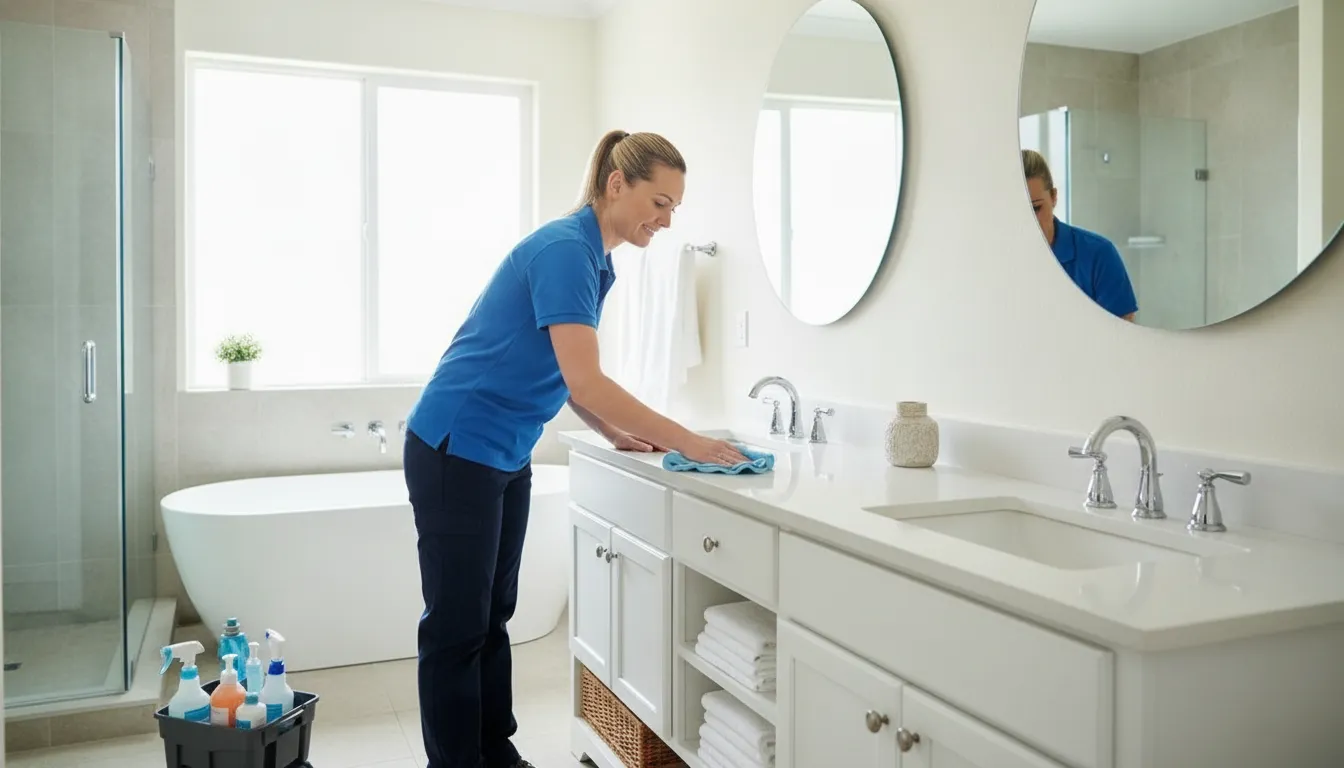
A bathroom can look tidy while sinks, handles, faucets, toilet controls, shower fixtures, and other frequently touched surfaces still need focused attention. For busy Oklahoma City metro households, professional cleaning is less about making every bathroom look identical. It is about matching the work to the room's condition, household activity, and cleaning goals.
A professional bathroom cleaning service typically addresses the main fixtures and surrounding surfaces, including sinks, toilets, tubs or showers, tile, mirrors, floors, and high-touch points. Before booking, confirm whether the visit is a standard or deep clean. Ask what preparation is expected, which supplies are provided, and how recurring service differs from a one-time appointment.
Recurring visits can help maintain a manageable baseline. While a one-time or deeper appointment may make more sense when buildup has accumulated or you are preparing for a specific occasion. The right scope also depends on whether counters are clear, toiletries are put away, and the room is ready for the cleaner to work efficiently. Start by looking at the surfaces and fixtures a thorough visit should cover, then use that checklist to compare service options.
What Should a Bathroom Cleaning Service Include?
A professional visit should address the bathroom as a complete space, not just the most visible fixture. The cleaner should work across the areas that collect moisture, residue, dust, and frequent hand contact. While adjusting the level of detail to the service type and the room's condition.
At a basic or recurring visit, that usually means cleaning the sink and counter, toilet, shower or tub, mirrors, and bathroom floor. The work may also include wiping cabinet exteriors, removing visible buildup, emptying the trash, and dusting reachable surfaces such as shelves, trim, and fixtures. The exact scope can vary, so ask whether the service covers each bathroom and which tasks are included in a standard visit.
Maid OK's residential service guidance distinguishes basic cleaning from deep cleaning, which is useful when comparing options. A routine service is intended to maintain a reasonably cared-for room. A deeper visit may allow more attention to accumulated soap residue, mineral deposits, corners, edges, baseboards, and other areas that are not addressed as extensively during maintenance cleaning. For broader context, see what professional cleaning services include across the home.

Good bathroom cleaning is also about process. A cleaner should select products that suit the surface and follow the product label, rather than using the same chemical everywhere. The CDC recommends cleaning surfaces before sanitizing or disinfecting because dirt and other impurities can interfere with those later steps. In an ordinary home, disinfecting is not automatically necessary unless someone is sick. A reputable provider should be clear about what the requested service does and does not include.
Surfaces that deserve specific attention
- Sink area: Clean the basin, faucet, handles, counter, backsplash, and nearby cabinet fronts as applicable.
- Toilet: Clean the bowl, seat, lid, exterior, base, and surrounding floor area.
- Shower or tub: Address the basin, walls or tile, fixtures, doors or curtain area, and visible soap residue within the agreed scope.
- Mirrors and floors: Remove fingerprints and spots from mirrors, then vacuum or clean the floor, including edges that are reachable.
- High-touch points: Include the door handle, light switch, faucet handles, and other frequently handled surfaces.
Condition matters as much as the room list. Heavy buildup, neglected corners, or a bathroom that has not been cleaned recently may require a deep-cleaning appointment or additional time. Before booking, confirm the standard scope, whether supplies and equipment are provided, and how the company handles work that falls outside routine maintenance. It is also reasonable to ask whether the cleaner will flag damaged caulk, delicate stone, or fixtures that need special handling instead of applying an unsuitable product. Clear expectations help the visit focus on safe, thorough results.
Recurring or One-Time Bathroom Cleaning: Which Fits?
The right schedule depends less on a fixed rule than on how your household uses the space. A busy family bathroom with steady daily traffic may need a different plan than a guest bathroom that is rarely used. Pets, children, household activity, and upcoming occasions can all affect whether a recurring visit or a one-time appointment makes more sense.
When recurring cleaning is the better fit
Recurring service works well when you want bathroom upkeep to become part of a predictable home routine. Maid OK offers weekly, biweekly, and monthly scheduling, so homeowners can compare a cadence with their household needs rather than commit to a one-size-fits-all plan. Regular visits can help keep ordinary soil and buildup from accumulating between cleanings. A priority list gives the team direction about the bathrooms or surfaces that matter most to you.
| Service pattern | May fit when | Confirm before booking |
|---|---|---|
| Recurring | You want predictable upkeep and the room changes with household traffic. | Frequency, included bathrooms, priority areas, and routine scope. |
| One-time | You need help for a specific occasion or a temporary backlog. | Current condition, requested detail, and what the visit is designed to cover. |
| Deep or first visit | Buildup or neglected areas need more detailed attention. | Hard-to-reach areas, extra scope, and how the provider handles condition. |
Weekly or biweekly attention may be worth considering for homes with several residents, children, pets, frequent guests, or high bathroom traffic. Monthly service may be a more practical starting point for a smaller household or a home where the bathrooms stay relatively manageable between visits. The useful question is not whether one frequency is universally best. It is how quickly the condition changes after a cleaning and how much maintenance you want to handle yourself.
Recurring service can also make scheduling easier over time. Supplies and equipment are provided, and the recurring-cleaning program includes quality-control expectations and no-contract service. Before booking, confirm which bathrooms are included, what your priority areas are, and how the scope may change if the home needs more attention than usual.
When one-time cleaning makes more sense
A one-time appointment can fit a specific need without creating an ongoing schedule. You might want help before guests arrive, after an especially active season at home, or when a bathroom has fallen behind your normal routine. It can also be a useful way to understand the service scope before deciding whether recurring visits would save you time.
Condition matters as much as calendar timing. If surfaces have heavier buildup or the room needs more detailed attention, ask whether the appointment should be treated differently from a routine clean. Frequency and home condition can affect the work involved, so describe the bathrooms accurately when you request service. For a broader framework, read how often to schedule cleaning based on household activity and special occasions.
In short, recurring cleaning supports consistent upkeep, while one-time cleaning addresses a particular moment or reset. A clear conversation about traffic, condition, priorities, and timing will produce a more useful plan than choosing a frequency by habit alone.
When Does a Bathroom Need More Than a Standard Clean?
A standard bathroom clean is usually the right fit when the room is maintained regularly and needs routine attention. That may include wiping accessible surfaces, cleaning the sink and toilet, refreshing the shower or tub, polishing mirrors, and addressing visible floor debris. A deeper visit becomes more useful when buildup, neglected areas, or a change in household circumstances calls for more time and detail.
Maid OK distinguishes basic and deep cleaning needs rather than treating every bathroom as if it requires the same scope. The condition of the room matters. Soap residue that has accumulated on shower surfaces, mineral deposits around fixtures, dust along trim. Or grime in tight spaces can require a more thorough approach than a recurring maintenance visit. The goal is not to choose the most extensive service automatically. It is to match the work to what the bathroom actually needs.
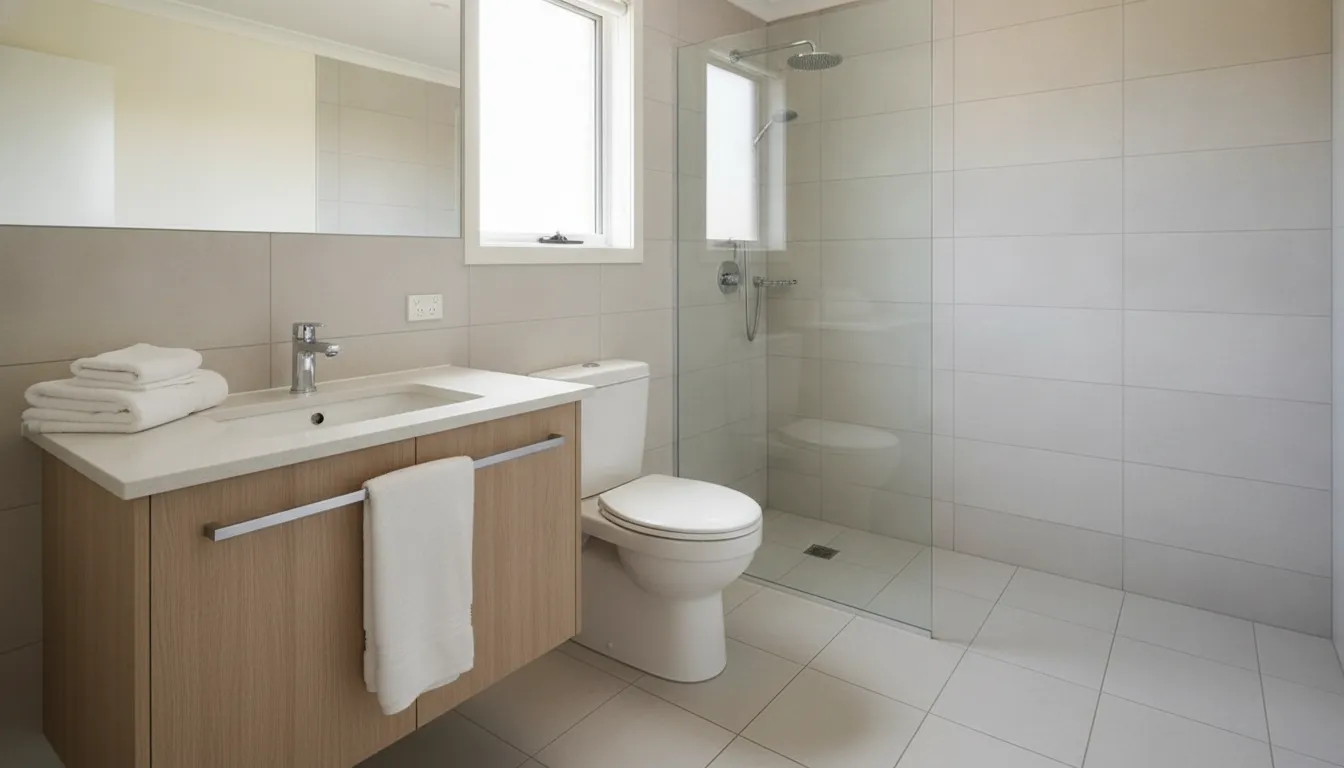
Consider a deeper clean for a first visit
First-time service often reveals areas that routine cleaning has not reached recently. If the bathroom has been managed without professional help, or if a previous cleaning schedule has lapsed, a deeper starting point can establish a better baseline. This is especially relevant when several surfaces need focused attention at once, including the shower, tub, grout lines, baseboards, fixtures, and other hard-to-reach areas.
Homeowners preparing for that first visit can make the scope easier to assess by clearing counters, picking up toiletries, and emptying the bathroom trash. These steps do not replace cleaning, but they give the cleaner clearer access to the surfaces that need work. For more practical preparation ideas, see this guide to preparing for a cleaning visit.
Look at the bathroom as a whole when deciding which level of attention to request. A few isolated spots may fit naturally into standard maintenance. Widespread residue, neglected edges, or surfaces that need repeated passes point toward a deeper scope. Mention those details when you request service, along with any areas you want prioritized. Clear information helps set realistic expectations and reduces the chance that an important concern is overlooked during a routine visit.
Know when move-in or move-out cleaning is different
Move-in and move-out cleaning is a separate one-time context, not simply a standard bathroom visit with a different label. An empty home or make-ready handoff may allow attention to areas that are normally occupied, such as cabinet interiors, closets, and spaces behind removed belongings. If the bathroom is part of a move, tell the provider that before booking so the requested scope and timing match the handoff.
In short, choose deeper bathroom attention when buildup, first-time conditions, hard-to-reach areas, or an empty-home transition changes the job. For a bathroom that is already maintained and needs consistent upkeep, standard recurring service may be sufficient.
How Are High-Touch Bathroom Surfaces Handled?
Bathrooms contain several surfaces that collect frequent hand contact, moisture, product residue, and everyday grime. A thorough visit gives these areas deliberate attention rather than treating the room as one undifferentiated space. Common high-touch points include the bathroom door handle, light switch, faucet handles, flush handle, cabinet pulls, shower controls, and the toilet seat and lid. Counter edges and other areas touched while getting ready also deserve attention.
Start with the surface, not the disinfectant
The first step is cleaning. Water, soap, an appropriate cleaner, and scrubbing help remove dirt and other impurities from a surface. That matters because visible soil can interfere with a later sanitizing or disinfecting step. The CDC recommends cleaning surfaces before sanitizing or disinfecting them when those additional steps are needed: CDC guidance on cleaning and disinfecting at home.
In practice, a cleaner works methodically through the bathroom. They remove residue from faucet handles and controls, wipe switches and pulls, clean around the toilet's touch points, and address buildup on counters and other hard surfaces. The goal is not to spray every item indiscriminately. Products should be suitable for the material, and label directions should be followed. A product that is appropriate for a glazed toilet surface may not be right for natural stone, painted cabinetry, or a delicate metal finish.
Give high-touch points appropriate attention
High-touch surfaces may need more frequent and rigorous cleaning than areas that are rarely handled. The CDC's environmental-cleaning framework explains this distinction and also notes that heavily contaminated surfaces require more frequent and thorough attention: CDC environmental cleaning procedures. For a home bathroom, that principle supports prioritizing the places people repeatedly grip, press, turn, or lean against.
Sanitizing or disinfecting is not automatically required for every routine home visit. The appropriate approach depends on the home's circumstances, the condition of the surface, and the service scope agreed upon. The CDC notes that disinfecting at home is generally not needed unless someone in the home is sick. When an additional product is appropriate, the surface is cleaned first. The product is used as directed, and the required contact time is respected rather than immediately wiped away.
This clean-first sequence helps keep bathroom care both effective and material-conscious. Before booking, homeowners can mention heavily used bathrooms, recent illness in the household, sensitive surfaces, or persistent buildup so the service plan reflects the room's actual needs.
How Should You Prepare for a Bathroom Cleaning Visit?
A few minutes of preparation can help a bathroom cleaning visit stay focused on the surfaces and details that matter most to your household. You do not need to scrub before the cleaner arrives. Instead, remove everyday items that make counters, floors, and fixtures harder to reach, then share any information that affects access or priorities.
- Clear the counters and sink area. Move cosmetics, hair tools, cups, medications, and other personal items off the vanity and around the sink. A clear surface gives the cleaner room to work around the basin, faucet, backsplash, and counter without moving or handling items that should stay private. If something must remain in place, point it out before the visit.
- Pick up toiletries and loose bathroom items. Gather bottles, soap containers, brushes, toys, and other items from the tub, shower, ledges, and floor. Place them together in a cabinet, basket, or another location where they will not interfere with cleaning. This is especially useful when more than one person uses the bathroom and belongings are spread across several surfaces.
- Empty the bathroom trash. Take out wastebaskets before the visit if you can. This removes one small task from the room reset and makes it easier to clean around the bin and replace the liner. If the trash should stay for the cleaner, leave the bag accessible and mention any disposal instructions.
- Make the room and home accessible. Share entry instructions, alarm details, parking information, or other access details ahead of time. If a bathroom is reached through a locked room or a shared space, explain the route. Clear items from the doorway and floor when possible so the visit can begin without avoidable delays.
- Plan for pets and household activity. Let the cleaning team know about pets in the home and explain where they will be during the visit. Household activity, children, and pets can affect how you plan cleaning frequency and access, so include those details when discussing service expectations. Keeping pets safely away from the work area can also make it easier for the cleaner to move through the room.
- Write down priority notes. If one bathroom needs extra attention, note the room and the concern before the appointment. You might identify buildup-prone areas, a fixture that needs careful handling, or a surface that should not receive a particular product. For broader preparation ideas, review this checklist for how to prepare for a cleaning visit. First-time customers can also use the conversation to compare regular and deep-cleaning scope, since the condition of the home and the requested service affect what can be addressed.
What Should You Ask Before Booking a Bathroom Cleaning Service?
A clear conversation before the first visit helps you understand what will be cleaned, how the service will be organized, and whether it fits your home. Ask the company to describe the exact bathroom scope rather than assuming every service includes the same work. Confirm whether the visit covers sinks, counters, toilets, tubs, showers, mirrors, floors, fixtures, and bathroom trash, and ask what is excluded.
It is also worth asking whether the first visit should be a standard or deep cleaning. Maid OK distinguishes basic and deep cleaning needs, and the right starting point can depend on the bathroom's current condition. Buildup, neglected details, or a home that has not been professionally cleaned recently may require more attention than a regularly maintained bathroom.
What changes from one visit to the next?
Ask how the scope changes for weekly, biweekly, monthly, and one-time service. Frequency and the condition of the home can affect the work completed during each visit. Confirm which tasks are handled every time and which are prioritized when more time is needed. If certain areas matter most, ask whether you can provide a priority list. You can also ask how the company recommends choosing a schedule based on household activity, children, pets, traffic, or an upcoming occasion.
Are the products and process suitable for my bathroom?
Ask what products and equipment the team supplies, and mention any natural stone, specialty finishes, delicate fixtures, or surfaces that need specific care. Products should be suitable for the surface and used according to their label directions. It is also reasonable to ask how the team handles high-use areas and whether cleaning is completed before any sanitizing step. These details show whether the company has a defined process instead of applying the same product everywhere.
How are access, safety, and quality handled?
Before booking, confirm how the team will enter the home, where to leave keys or access instructions, and whether someone needs to be present. Ask whether the company is insured, how team members are trained, and what happens if something is missed or you have a concern after the visit. Maid OK is established 1977 and its residential quote information describes supplies, a satisfaction guarantee, and an inspection process. Confirm which assurances apply to your selected service and how quality concerns are resolved.
Finally, ask how your quote is determined. The estimate should reflect the number of bathrooms, requested scope, service frequency, and current condition. It should not rely on a vague package name. Once those details are clear, you can get a free cleaning quote based on the work your home needs.
If you know which bathrooms need attention, the next step is to share the details with Maid OK. A clear request can include the number of bathrooms, the current condition, your preferred schedule, and any surfaces or priorities the team should know about.
Frequently Asked Questions
What does a bathroom deep clean include?
A deep clean gives more attention to buildup and less-routine areas than a standard visit. Depending on the home's condition and the agreed scope, that can include detailed work around sinks, toilets, showers, tubs, tile, mirrors, floors, fixtures, and other bathroom surfaces. Ask which tasks are included before booking, because the difference between basic and deep cleaning can vary by service and condition.
What is the average price to clean a bathroom?
There is no useful one-size-fits-all answer without knowing the scope and condition of the bathroom. The number of bathrooms, level of buildup, requested detail, and whether the visit is recurring or one-time can affect the quote. For a property-specific estimate in the Oklahoma City metro, request a free cleaning quote.
How much is a 2 hour clean?
A two-hour visit may not represent the same scope in every home, so confirm what the appointment is intended to cover rather than comparing time alone. Ask whether the service is focused on bathrooms or shared across the home, which tasks take priority, and what happens if the requested list exceeds the scheduled time.
What is the 5-5-5 rule for cleaning?
The 5-5-5 rule is a household cleaning shortcut, not a universal professional-service standard. Its meaning can vary, so it should not replace a written scope. For professional service, confirm the rooms, surfaces, level of cleaning, access details, and any priority areas before the visit so expectations are clear.
Get Started With a Bathroom Cleaning Service
A professional bathroom cleaning service can help you keep recurring upkeep manageable or address a more involved one-time cleaning need. Share your home's needs, the bathrooms involved, and any areas that need extra attention. That helps make the service scope clear before scheduling.
If you are in the Oklahoma City metro, including nearby communities such as Norman, Edmond. Or Moore, use the residential quote form to get a tailored recommendation for your bathroom cleaning needs.