
Move In Cleaning: Oklahoma City Room Guide
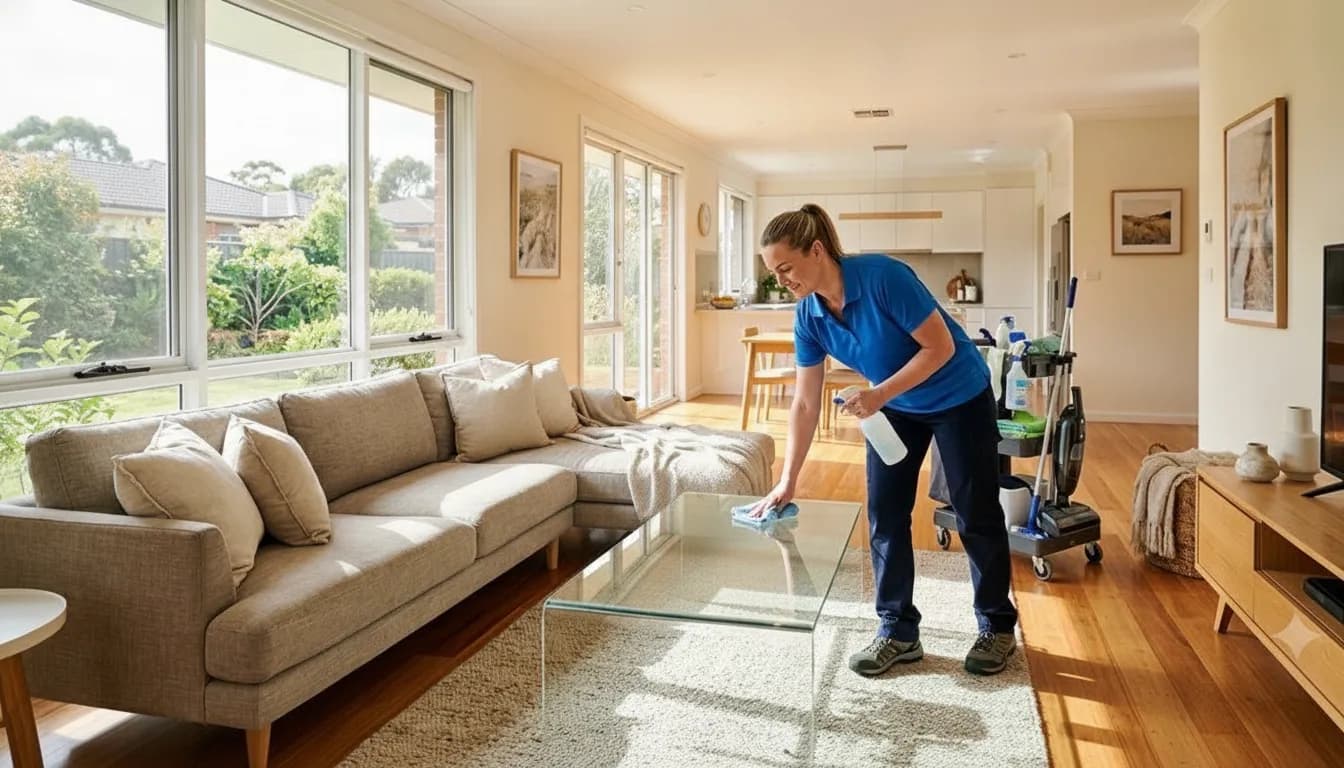
Move in cleaning is easiest before furniture, boxes, and daily routines take over a new home. An empty space gives you access to cabinet interiors, closets, baseboards, floors, fixtures, and corners that become difficult to reach after unpacking.
Get a Free Quote for Move In Cleaning
Move in cleaning is a top-to-bottom reset of a home before belongings arrive. It commonly covers kitchens, bathrooms, bedrooms, living areas, floors, cabinets, touch points, and other surfaces that are easier to reach while rooms are empty.
Whether you are renting, buying, or preparing a family home in the Oklahoma City area, the order of the work matters. Clean high surfaces before low ones, complete the messiest tasks before floors, and leave a final inspection for the end. The room-by-room checklist below shows what to handle first, what to leave for last, and when professional help can make the transition easier.
Why Move In Cleaning Is Easier Before the Boxes Arrive
Move in cleaning is usually more thorough before the boxes arrive because an empty home provides clear access. You can work along wall edges, open every cabinet and drawer, clean closets, and reach the floor beneath future furniture without repeatedly moving belongings.
That access also supports a better cleaning sequence. Dust can fall from ceiling fans, vents, and upper trim before you wipe counters, shelves, and floors. You can clean cabinet interiors before dishes or pantry items go inside. You can finish bathroom floors before bath mats and storage bins cover them.
Use the empty space to reach overlooked areas
Start with surfaces that are easy to miss once a home is furnished. Check the tops of doors, ceiling fans, light fixtures, window sills, vents, closet shelves, baseboards, and the edges where floors meet walls. If the home has built-in shelving, clean each shelf and the top of the unit before arranging books or decor.
Open cabinets and drawers fully. Remove dust, crumbs, shelf residue, and loose debris before wiping the inside, corners, door edges, handles, and tracks. The same approach applies to bathroom storage and closets. These areas may look clean from the doorway while still holding residue from prior occupants or construction work.
Prioritize high-touch surfaces safely
Give extra attention to door handles, light switches, cabinet pulls, faucet handles, appliance handles, railings, toilet flush handles, and entry areas. Cleaning removes visible soil. If disinfection is appropriate for the material, follow the product label and allow the stated contact time. The CDC's household cleaning guidance explains the difference between cleaning and disinfecting and recommends following product directions.
Use a material-safe product rather than treating every surface the same way. Natural stone, finished wood, painted surfaces, stainless steel, and delicate fixtures may need different methods. Never mix cleaning chemicals, and keep children and pets away from products while you work.
Improve comfort without overpromising
Cleaning can give you a more comfortable starting point, but it is not a guarantee that a home will prevent illness or correct every indoor air problem. When outdoor conditions and security allow, ventilation can help clear odors and reduce the concentration of some indoor pollutants. The EPA's indoor air quality guidance discusses reducing pollutant sources and increasing ventilation.
Look for issues that cleaning cannot solve, such as active leaks, persistent moisture, damaged flooring, strong unexplained odors, or a ventilation problem. Document those concerns and contact the property manager, seller, contractor, or another appropriate professional before moving in.
What Should You Clean First in a New Home?
Clean a new home from high surfaces down, then move through fixed fixtures, cabinets, touch points, and floors. This sequence keeps falling dust from settling on areas you already finished and makes the most of the home's empty condition.
- Assess the space first. Confirm that you have electricity, water, lighting, and safe access. Note construction dust, visible debris, odors, moisture, or areas that need repair. Open windows or doors only when weather, air quality, and security make that reasonable.
- Start at the top. Dust ceiling fans, light fixtures, tops of doors, upper trim, vents, and high shelves. Use an appropriate duster or vacuum attachment. Remove loose debris before wiping so grit does not spread.
- Clean fixed fixtures. Wipe switches, door hardware, railings, window sills, mirrors, sinks, tubs, showers, and other built-in surfaces. Use a product suitable for each material.
- Clean storage and appliances. Wipe inside and outside cabinets, drawers, closets, shelves, refrigerator compartments, appliance handles, seals, and accessible appliance surfaces. Let storage areas dry before loading them.
- Work down to edges and floors. Clean baseboards, lower trim, corners, closet floors, and areas behind doors. Vacuum or sweep before mopping with a flooring-safe method.
- Make a final touch-point pass. Revisit handles, switches, faucets, pulls, railings, and other surfaces that may have collected residue during the cleaning process.
- Inspect before belongings arrive. Use daylight when possible. Open cabinets and closets, check floors and corners, and confirm that wet floors are dry before movers enter.
If time is limited, prioritize the kitchen, bathrooms, floors, cabinets, and high-touch surfaces. Cosmetic details can wait, but it is much harder to clean storage areas and floor edges after boxes are stacked inside.
Move In Cleaning Checklist for the Kitchen
A kitchen move in cleaning should cover cabinets, drawers, appliances, counters, backsplash, sink, fixtures, touch points, and the floor before cookware and food arrive. Work from the upper surfaces down, and let each area dry before you fill it.
Begin with cabinets and drawers. Remove crumbs, dust, loose debris, and old shelf residue. Wipe interior surfaces, corners, door edges, handles, and drawer tracks with a suitable cleaner. Check the back edges of shelves and the undersides of cabinet lips, where residue can hide. Let the interiors dry fully before placing dishes, pantry goods, or cookware inside.
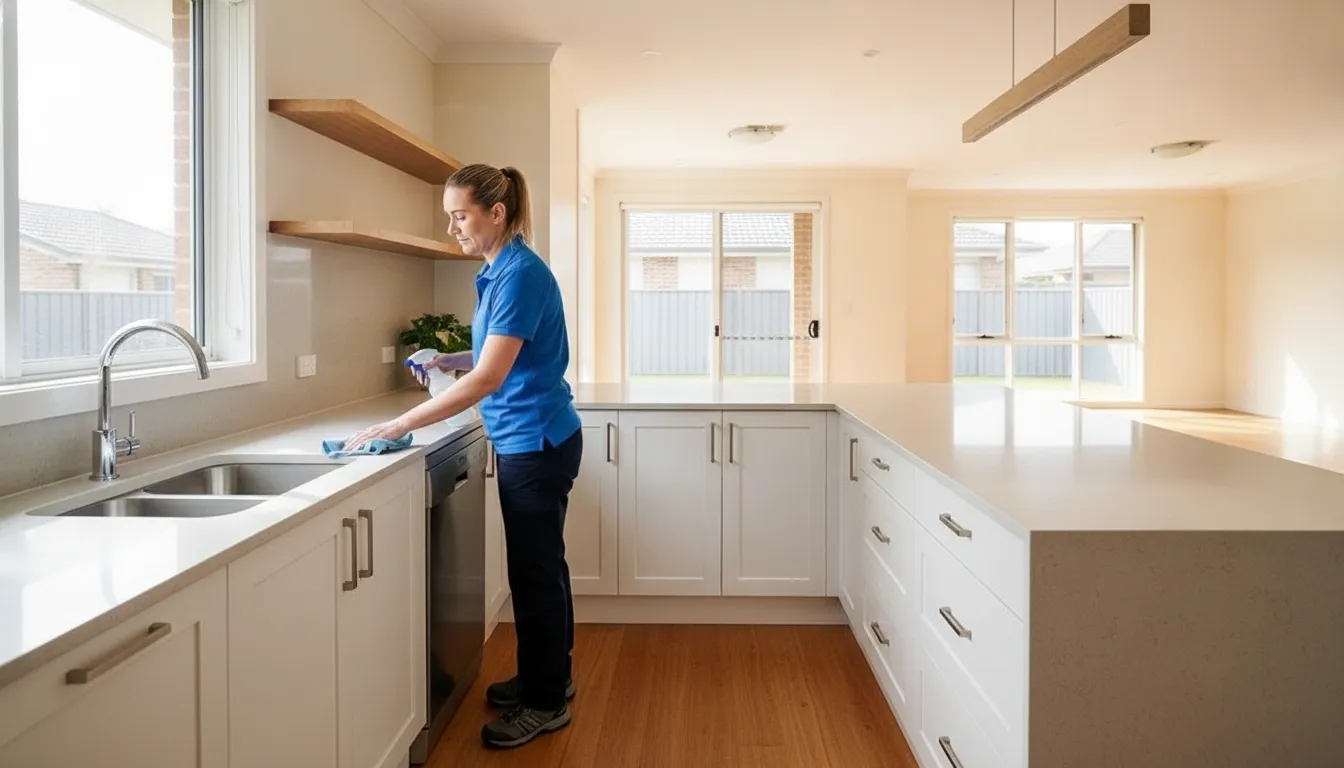
Clean cabinets, shelves, and appliances
Dust the tops of cabinets and accessible areas beneath them. Wipe cabinet fronts, knobs, pulls, hinges, and open shelving. For appliances, clean the refrigerator shelves, drawers, door seals, handles, and exterior. If a range is installed, address the cooktop, control knobs, oven door, and accessible interior surfaces according to the manufacturer's care instructions.
Clean the microwave interior, turntable, door, handle, and control panel without soaking electrical controls. Pay attention to appliance gaps and the floor around them. If an appliance cannot be safely moved, clean the accessible edges and note the area for a later pass.
Finish the counters, sink, and floor
Wipe counters from the back edge toward the front. Clean seams, backsplash surfaces, outlet covers, and the areas around the faucet and cooktop. Confirm that the product is safe for natural stone, finished wood, tile, or another countertop material before applying it.
Scrub the sink basin, drain opening, faucet base, sprayer, and handles. Remove visible soil before disinfecting an appropriate surface. Finish by cleaning cabinet toe-kicks, corners, and the floor beneath accessible appliances. Vacuum or sweep first, then mop with a method suited to the flooring. Keep the floor clear until it dries.
How to Tackle Bathrooms, Bedrooms, and Living Areas
For the rest of the home, repeat the same top-to-bottom method: dust high surfaces, clean fixtures and touch points, then finish with floors. Maid OK's house-cleaning service details can help you compare a general cleaning scope with the extra attention a move-related reset may require.
Bathrooms
Clean bathrooms before toiletries, towels, storage bins, and bath mats arrive. Wipe the inside and outside of the toilet, including the base and surrounding floor. Clean the sink, faucet, counter, cabinet fronts, shelves, mirror, and light fixtures. Scrub the tub or shower walls, doors, tracks, fixtures, and corners where residue collects.
Finish with the door, handle, cabinet pulls, switches, towel-bar area, vents, and floor edges. Do not use the same product on every fixture without checking the label. Keep the bathroom ventilated when conditions permit, and never mix products.
Bedrooms and closets
Wipe closet shelves, rods, doors, handles, and corners before clothing or storage containers go inside. Dust vents, fan blades, window sills, trim, and baseboards. Clean both sides of doors and the edges around hinges and knobs. Vacuum along walls and in closet corners. Mop hard flooring with a material-safe method, and allow it to dry before setting up beds or shelving.
Living rooms, hallways, and shared areas
In living rooms, family rooms, and hallways, clean window sills, baseboards, vents, doors, handles, railings, and light switches. Vacuum carpet edges and floor transitions where moving dust gathers. For hard floors, remove loose grit before mopping. If there is built-in shelving, clean the shelves and top surface before arranging belongings.
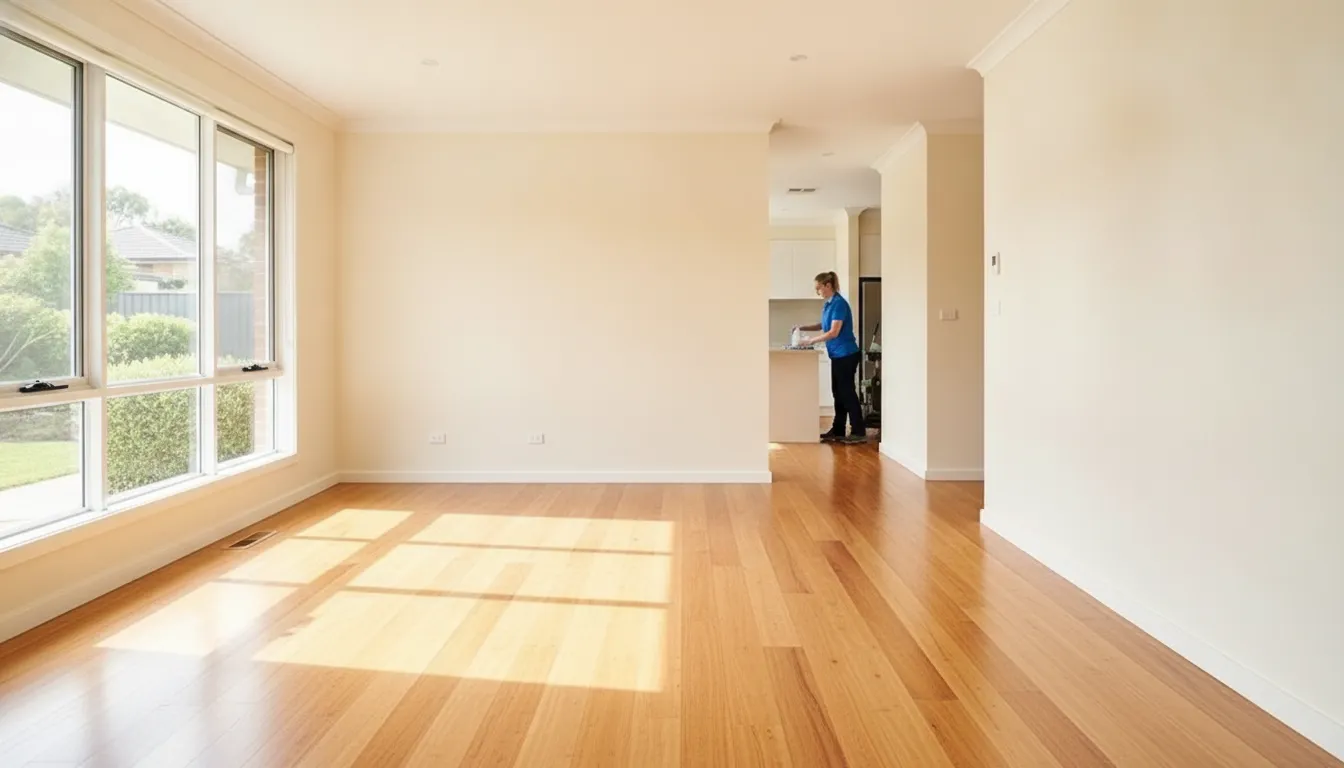
Keep a simple room-by-room record as you work. A note about a cleaned closet, a floor that needs to dry, or a repair that needs follow-up can prevent duplicate work during a busy move. Once every room is complete, keep cleaned spaces clear until movers arrive.
When Is Professional Move In Cleaning Worth It?
Professional move in cleaning is most useful when you need a detailed whole-home reset before furniture arrives and want to spend your time coordinating the move instead. An empty property lets a cleaning team reach cabinets, baseboards, floors, fixtures, and other areas without working around personal belongings.
DIY cleaning can make sense when the home is small, the condition is already good, and you have enough preparation time. A blended approach can work too. You can handle personal priorities while a professional team tackles the broader cleaning scope. The right choice depends on access, timing, condition, and how much work you can safely complete before move-in.
| Approach | Access and time | Scope | Supplies | Accountability |
|---|---|---|---|---|
| DIY | You control the schedule, but the work competes with moving tasks. | You choose the rooms and details to address. | You provide products, tools, and equipment. | You inspect the results and handle missed areas. |
| Professional | A team can work through an empty property while you focus on the move. | The service can cover a coordinated move-in or move-out cleaning scope. | Maid OK provides cleaning supplies and equipment. | Maid OK supports service quality with licensed and insured teams, a 49-point inspection, and a 100% satisfaction guarantee. |
| Blended | You reserve time for personal tasks and delegate the larger workload. | You define priorities and use professional help where it adds the most value. | You use your supplies for selected tasks and the service's supplies for its work. | Responsibilities are shared, so confirm the scope before work begins. |
Choose the option that fits your transition
DIY may be practical for a smaller property or a move with a generous preparation window. Professional help is more useful when you are coordinating movers, managing a family schedule, handling a tight key-handoff window, or starting with a home that needs detailed attention.
Maid OK offers residential cleaning support with no contracts required. Its teams bring the supplies and equipment, and the service includes a defined quality-check process. Review Maid OK's house-cleaning service details to see whether local professional support fits your move.
How to Plan Move In Cleaning Around Oklahoma City
The best scheduling window is after the previous occupants leave and before the first boxes, appliances, or furniture arrive. That timing gives cleaners access to walls, floors, cabinets, closets, and trim while every area is still visible.
Coordinate access before the appointment
Ask the property manager, seller, closing contact, or landlord when the space will be available. Confirm keys, gate codes, parking instructions, alarm details, and any building rules. If contractors are still working, schedule cleaning after they finish or identify which rooms are ready.
Verify that electricity and water are turned on. Good lighting helps you spot residue on trim and in corners. Water supports normal kitchen and bathroom cleaning. Mention construction dust, pet odors, appliance concerns, or areas that need extra attention when you request service.
Protect the clean space during the move
Complete cleaning before delivery teams bring in couches, beds, and large appliances whenever possible. Ask movers to protect floors and keep a clean path from the entry to rooms receiving boxes. If rain is likely, plan where wet shoes and moving equipment will go. Keep cleaned rooms closed until the move begins.
Walk through the property after cleaning. Check floors in natural light, open cabinets and closets, inspect corners, and confirm that high-touch areas were addressed. If something needs a second pass, identify it before furniture blocks access.
Know the Oklahoma City area service fit
Maid OK serves residential customers in Oklahoma City, Norman, Edmond, Moore, and nearby communities. The company is family-owned, licensed, and insured. If your home is in the greater Oklahoma City area, confirm service availability and scope through the free residential quote form before your access date.
Request Your Free Residential Quote
Frequently Asked Questions
What does move in cleaning usually include?
Move in cleaning usually includes kitchens, bathrooms, bedrooms, living areas, floors, cabinets, closets, fixtures, baseboards, and high-touch surfaces. The exact scope depends on the home's condition and the service plan. Cleaning before unpacking makes cabinet interiors, floor edges, and other hard-to-reach areas easier to address.
Should I clean before or after moving furniture in?
Complete the main move in cleaning before furniture and boxes arrive when possible. An empty home gives you better access to floors, baseboards, closets, cabinets, and areas behind or beneath furniture. After the move, you can spot-clean dust or marks created during delivery.
What should I clean first when moving into a new house?
Start with high surfaces and work downward. Dust vents, fans, fixtures, and upper trim first. Then clean cabinets, appliances, counters, bathrooms, touch points, baseboards, and floors. Finish with an inspection while the home is still empty.
Is professional move in cleaning worth it?
Professional move in cleaning can be worthwhile when the property needs a whole-home reset, the preparation window is short, or you need to focus on movers and logistics. DIY may be a good fit for a smaller or already-clean home. A blended approach lets you delegate the broad cleaning work while keeping personal priorities in your control.
How do I schedule move in cleaning in the Oklahoma City area?
Choose a time after the property is accessible and before furniture arrives. Have keys, water, electricity, parking instructions, and building access ready. Maid OK's free residential quote form is the next step for confirming availability and discussing the home.