
Move Out Cleaners: A Homeowner Planning Guide

Moving creates a long list of deadlines, and cleaning is easier to arrange when the work is clear. When comparing move out cleaners, start with three details: what the home needs, when it will be empty, and how the cleaner can enter. A short written plan helps you compare similar estimates and gives everyone a shared reference before moving day.
What should you decide before requesting a quote?
First, identify the handover you are preparing for. You may be leaving a rental, selling a home, or moving belongings to another home you own. The cleaning plan can vary with the situation. Read your lease, sale documents, or instructions from the property manager, and make a note of any cleaning expectations you need to address. A cleaning provider can describe its own scope, but it cannot interpret a contract or guarantee that a landlord, buyer, or property manager will accept the home.
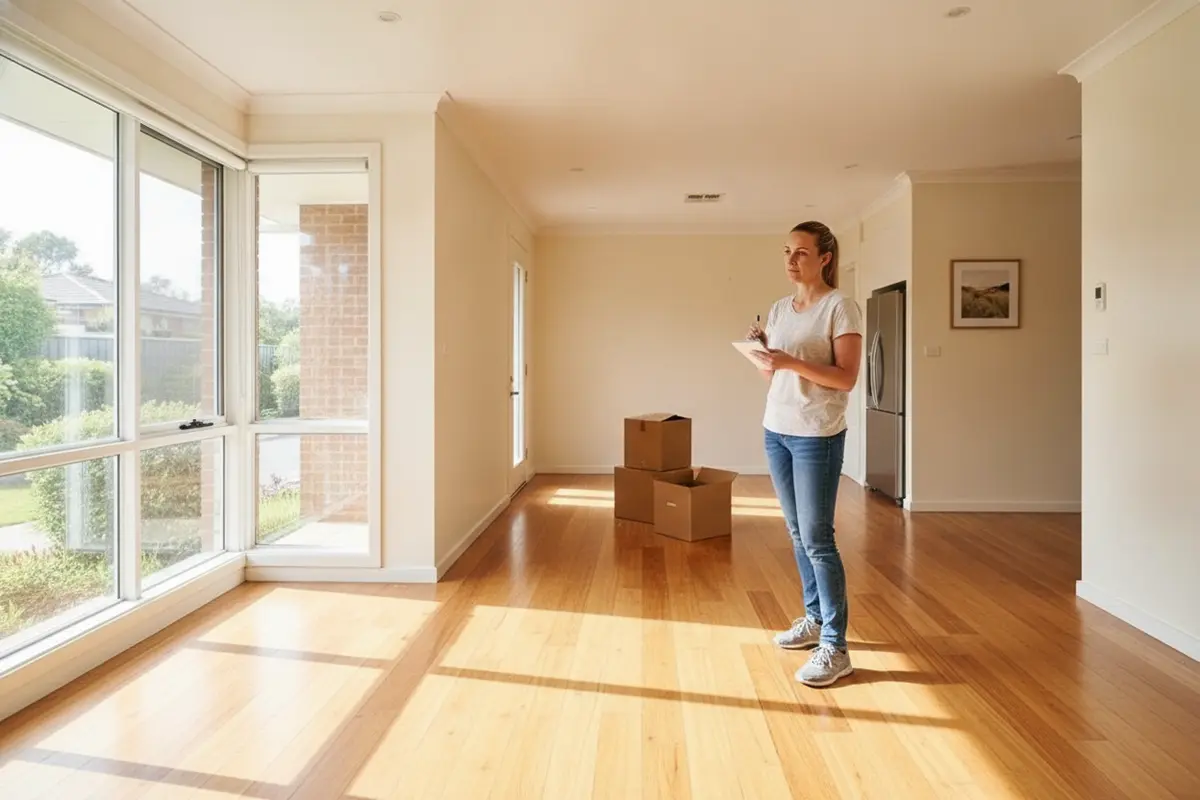
Next, work out when the property will be ready. Cleaning after furniture and belongings have been removed usually gives better access to open floors, baseboards, and surfaces. If movers will still be carrying items through rooms, outline the sequence rather than assuming the cleaning and move can happen in the same space at once. Share your key-return or handover deadline when you request an estimate.
- Write down when the home is expected to be empty and when keys are due.
- Check whether electricity and water will remain available for the appointment.
- Decide how the cleaner can enter and how keys or access codes will be handled.
- List the rooms and details you want considered in the estimate.
- Note stairs, parking limits, building entry rules, or a narrow appointment window.
For a residential move-related visit, review Maid OK’s move-out cleaning service. If you are still organizing belongings before the visit, Maid OK’s decluttering before moving checklist can help you separate items to keep, donate, or remove.
What information helps a cleaner understand the home?
A helpful request describes the property and the conditions that may affect the visit. Share its approximate size or number of bedrooms and bathrooms, whether it will be vacant, and which areas matter most. Mention stairs, parking limits, entry instructions, and any fixed timing. These details make it easier to identify what the estimate is based on and what questions are still open.
You do not need to make the home spotless before the appointment. Remove personal belongings, food, and loose items that need to travel with you. Clear counters and floors where possible, and put aside anything that should not be handled. If some items must remain, point them out clearly. This helps distinguish surfaces ready for attention from belongings that should stay untouched.
Photos can explain a particular concern, but include a brief written note with each one. “The refrigerator will be empty, and I would like its interior considered” is more useful than a photo alone. Likewise, describe visible residue or a hard-to-reach area without assuming that a specialty task is included. Ask whether the request is available before adding it to the plan.
Keep the information factual. If you are unsure whether a surface, fixture, or appliance needs special handling, ask about it rather than making an assumption. For product-specific directions, read the product label; the U.S. Environmental Protection Agency is a federal source for information about environmental and chemical topics.
Which tasks should you confirm in writing?
“Move-out clean” can mean different things to different households and providers. Ask for the rooms and tasks included, and confirm which requests are optional or unavailable. Pay special attention to appliance and cabinet interiors, window glass, and wall marks. Do not assume these details are part of a general visit. If you have instructions from a property manager, compare them with the provider’s written scope and ask about any gap.
A room-by-room list makes the request concrete. Use the same list when comparing estimates so you can see whether providers are describing similar work.
- Kitchen: Identify counters, sink, exterior surfaces, and whether empty cabinet or appliance interiors are requested.
- Bathrooms: Name the sink, toilet, shower or tub, mirror, and accessible surfaces you want considered.
- Living and sleeping areas: Note reachable surfaces and floors, and ask whether baseboards are part of the scope.
- Whole home: Confirm whether dusting, vacuuming or mopping, and reachable fixtures are included.
- Optional details: Ask in advance about inside-window work or other add-ons and confirm availability.
For context about typical residential visit tasks, read what a professional residential visit may include. Use that information to prepare questions, not as a substitute for confirming the exact scope of your appointment. You can also check the current available cleaning add-ons and ask which, if any, fit your move-out plan.
How can you compare estimates fairly?
Compare the work, timing, assumptions, and terms, not only the headline amount. One estimate might be based on an empty home and specified interiors; another might exclude those details or treat them as optional. Ask what information the estimate uses, whether it may change if the home’s condition differs, and how a change would be discussed before additional work is done.
| What to compare | Questions to ask | Why it matters |
|---|---|---|
| Included work | Which rooms and tasks are included? What is excluded? | Shows whether the estimates cover similar work. |
| Estimate assumptions | What home details and condition assumptions shape the estimate? | Helps explain why two estimates may differ. |
| Optional tasks | Can appliance interiors, cabinets, or inside windows be requested? | Lets you prioritize details before the visit. |
| Timing and access | When must the home be empty, and how will entry work? | Helps coordinate the move, clean, and key return. |
| Changes | How will a changed condition or expanded scope be discussed? | Clarifies what happens if the home differs from its description. |
Maid OK uses quote-based pricing rather than one fixed amount for every home. The stated minimum is $95 for two hours, with $40 per additional hour; pricing can be flexible based on the home’s actual condition. Treat those figures as a starting point for a conversation, not a promise about the total for your home. Confirm the requested scope and estimate before arranging a visit. Include relevant details in the residential quote form.
When two estimates differ, write down the difference instead of trying to compare from memory. For example, if one includes empty cabinet interiors and the other does not, ask each provider to clarify the same request. If one estimate assumes a vacant home and yours will still contain furniture, explain that before selecting a time. A fair comparison uses the same description of the property and the same priority list.
How should you plan timing and access?
Work backward from the handover time. Leave room for movers, the agreed cleaning, and a final walk-through. When possible, schedule the cleaning after larger belongings have been removed and before keys are returned. If overlap is unavoidable, explain which rooms will be cleared first and ask whether a practical sequence is possible.
Confirm the appointment window, entry instructions, available utilities, and the best way to reach you during the visit. If someone else will inspect the property, ask whether they have identified particular areas to address. Give the provider a way to contact you if access fails or the home differs substantially from the description.
Make a simple access note: where to park, which entrance to use, how to enter, and whom to call if the plan fails. Avoid sending sensitive information through an unsuitable channel; ask how access details should be shared. If the property has a gate, elevator, lockbox, or building check-in process, mention it before the appointment rather than at the door.
Maid OK also describes one-time residential cleaning and recurring residential cleaning. Those pages may help if your household needs a visit before or after the move in addition to the move-related service. Confirm that the option you request matches the work and timing you have in mind.
How can you make a room-by-room plan?
Once larger belongings are gone, walk through the home from the entry and move in the same direction through each room. Note the surfaces or areas that need attention, and separate ordinary cleaning from repairs or work that may require a specialist. A stain, chipped paint, or damaged fixture may need a different remedy. Flag it rather than expecting a cleaning visit to repair it.
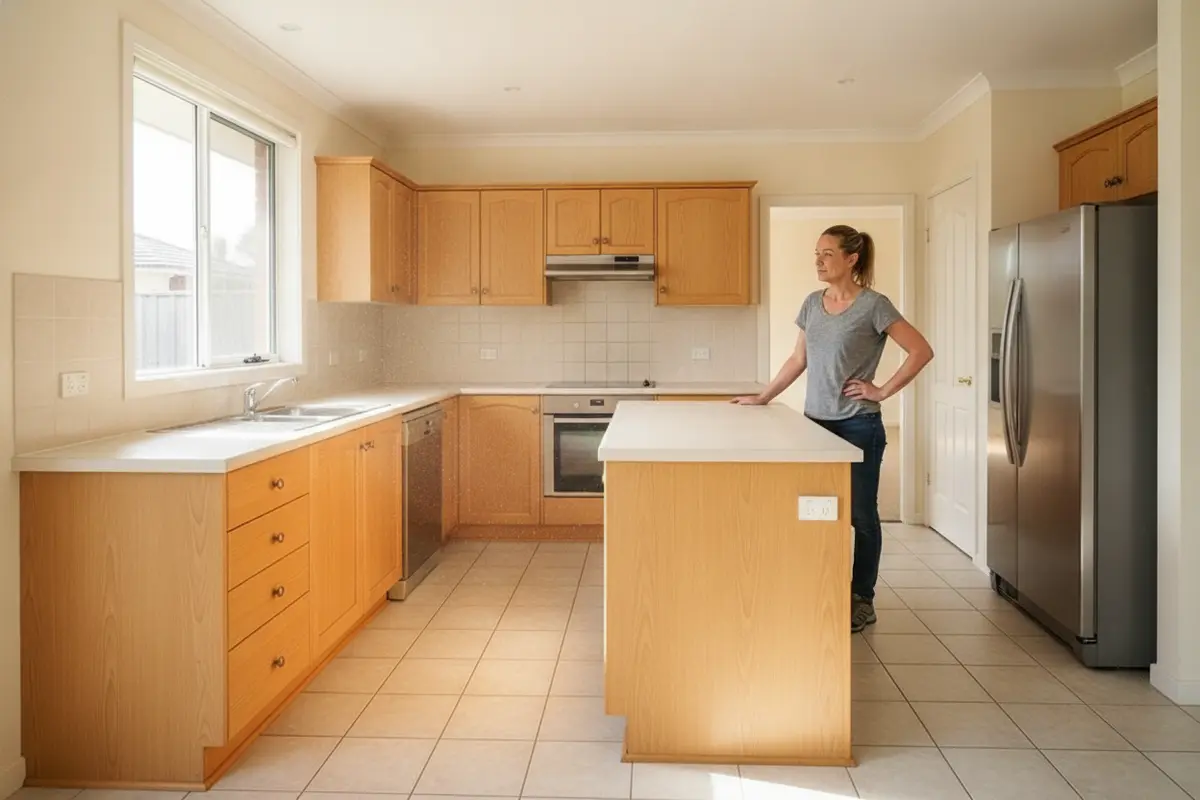
In the kitchen, note whether appliances will be empty and whether you want their interiors considered. In bathrooms, list the surfaces that matter and confirm which are included. In bedrooms and living areas, identify shelves or closets that will be empty and accessible. Keep each note simple: room, request, and any access concern.
Then rank the list. Label each task as a priority or an optional extra. If the full list may not fit the available time or budget, you can ask whether the priority items should be handled first or whether a different appointment plan makes sense. For example, a renter with a fixed key-return time may put the kitchen and bathrooms at the top of the list, while a homeowner with a flexible handover may ask for all agreed rooms. Neither plan is universal; the key is to discuss the scope and timing in advance.
For another local planning reference, see the move-out checklist for Norman homes. A checklist can help you remember areas to discuss, but it does not establish what another party requires or what a provider includes. Use your own agreement and the confirmed service scope as the final reference.
What should you ask before booking?
Before choosing a provider, confirm practical terms. Ask whether your home is within the service area, what supplies or equipment are provided, and how changes to the requested work are handled. Confirm the rescheduling and cancellation process, payment arrangements, and whether you need to be present at the start or end.
Also ask what the provider needs from you. It may be useful to know whether the home should be vacant, whether water and power must be available, and whether personal items should be removed from specific areas. Write down the answers beside your task list. If a detail is not confirmed, mark it as an open question rather than treating it as settled.
Maid OK is a family-owned residential cleaning company established 1987 and serving the Oklahoma City area. Read its residential cleaning FAQs and company information for more context. If you need to clarify a request before seeking an estimate, use the contact page. You can also review the service area information to check coverage.
How can you make the appointment go smoothly?
Send one concise confirmation with the service date, access method, requested rooms, and any agreed optional tasks. Keep the estimate and written scope accessible. If you have priority areas, rank them instead of adding a long list at the last minute. A clear note gives the provider a useful guide if the appointment has a time limit.
Before leaving, remove belongings and food, secure valuables and personal papers, and make sure agreed work areas can be reached. Empty appliances or cabinets only when their interiors are part of the confirmed scope. If a task is no longer needed, let the provider know. If the condition or access plan changes, share that update as soon as you can so the estimate and timing can be reviewed.
After the visit, review the agreed areas while the appointment details are fresh. If you have a question, describe the specific room and task and contact the provider promptly. A precise note is more useful than a general statement that something was missed. Keep any handover instructions separate from the cleaning scope so you can check each requirement clearly.
Use this final checklist before the appointment: the home is accessible, utilities are available if needed, the agreed tasks are written down, and personal items are secured. Your priorities, timing, and estimate should all describe the same plan.
Frequently Asked Questions
Should I schedule cleaning before or after the movers?
When possible, arrange the visit after furniture and belongings have been removed so the requested areas are accessible. If your schedule requires overlap, explain the move timeline and ask whether a workable sequence is possible.
Do move out cleaners decide what my lease requires?
No. Review your lease, sale documents, or property manager’s instructions yourself. A provider can explain its work, but it cannot interpret a contract or guarantee that another party will accept the property.
Should I request inside-appliance or cabinet cleaning?
Ask whether those tasks are available and whether they are included or optional. If the agreed work requires access to an interior, make sure it is empty and ready for the visit.
What if the home’s condition changes after I receive an estimate?
Tell the provider as soon as you know. Explain what changed and ask whether it may affect the scope, timing, or estimate. Agree on any adjustment before expanding the work.
With a clear scope, realistic timing, and confirmed access, you can compare move out cleaners on details that matter and plan the final days of a move with fewer surprises.