
Move Out Cleaning for Landlords Oklahoma Guide
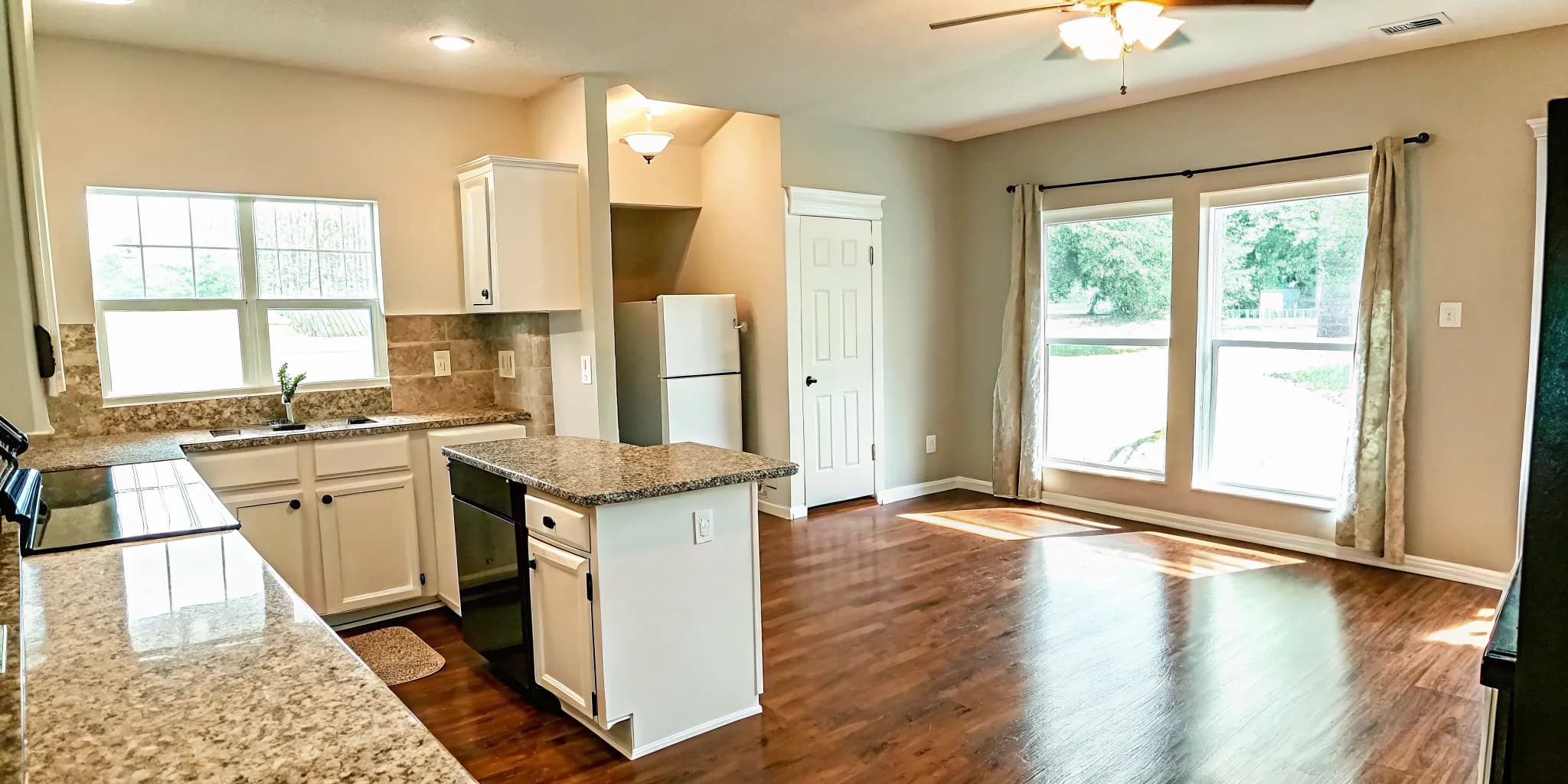
Move out cleaning for landlords Oklahoma works best as a controlled turnover process, not a last-minute scrub. Confirm vacancy, document the empty unit, finish debris-producing repairs, clean from high surfaces to floors, and perform a final inspection before photos, showings, or key handoff. A written scope keeps every rental reset consistent.
Get a free Maid OK quote for your next rental turnover.
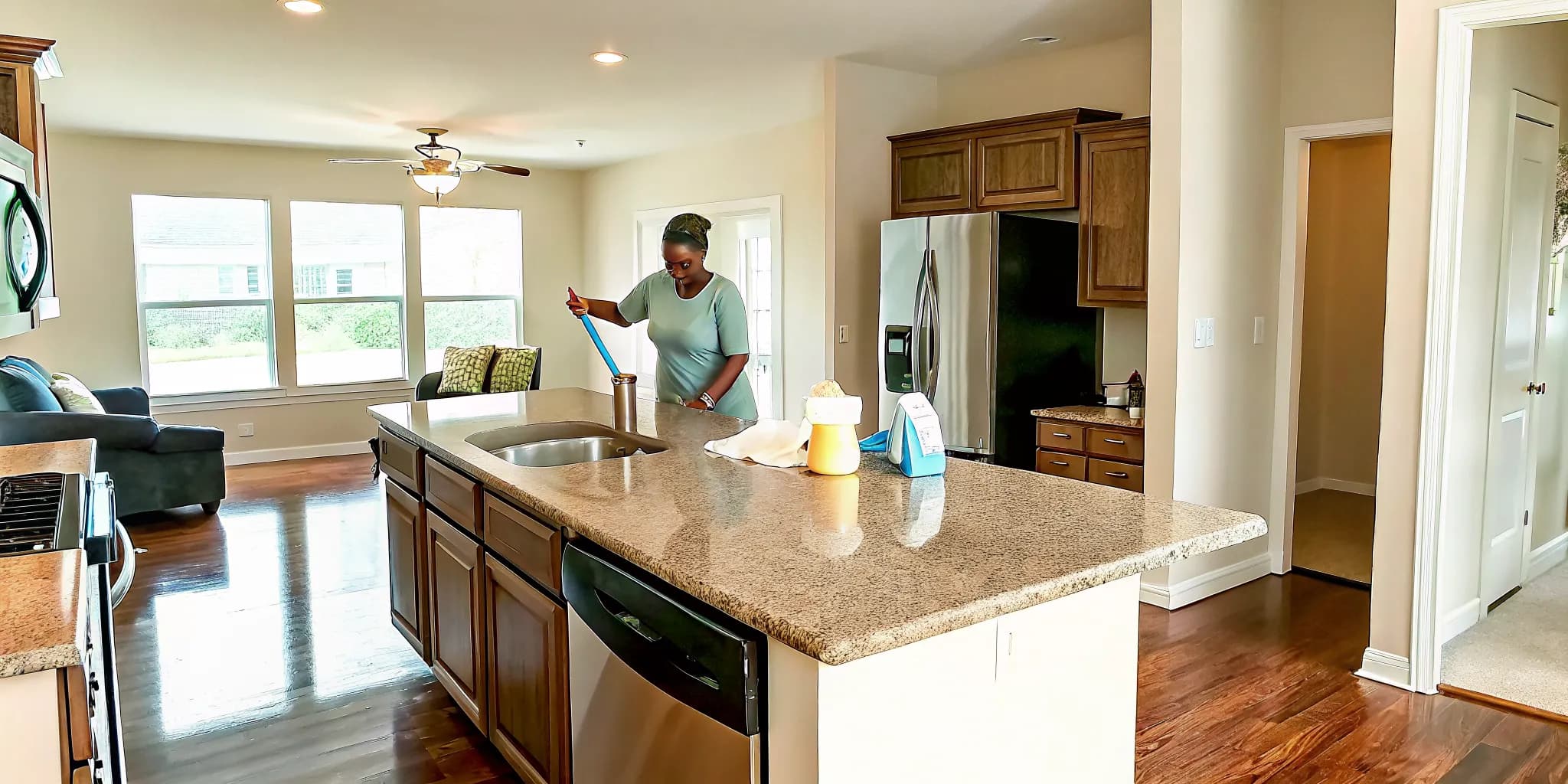
A focused turnover clean prepares the rental for its next inspection and tenant.
Build a Move Out Cleaning for Landlords Oklahoma Plan
A reliable turnover begins before the former tenant returns the keys. Property managers should put the vacancy date, repair window, cleaning appointment, inspection, marketing photos, and next occupancy date on one shared timeline. Assign an owner to every step. If a vendor cannot enter, a utility is off, or belongings remain, the schedule should show who resolves the issue and by when.
Start with a pre-service brief for the cleaner. Include the property address, unit number, parking instructions, access method, alarm details, utility status, expected condition, and approved scope. Note surfaces that need special care, such as natural stone, delicate flooring, or a recently refinished tub. Do not ask cleaners to guess whether an item should be discarded or saved. Label anything that stays.
Use four turnover checkpoints
- Vacancy confirmed: Verify that people, pets, personal belongings, and unwanted furniture are out. Confirm that water and electricity work. Record unresolved access or removal issues before sending a cleaning team.
- Initial condition recorded: Walk every room in the same direction, take dated overview and detail photos, and list cleaning, maintenance, replacement, and safety items separately.
- Work sequenced: Complete hauling, drywall repair, sanding, and other debris-producing work before the detailed clean. Protect already cleaned areas if a trade must return.
- Final quality check completed: Inspect in daylight when possible, test the most visible surfaces, and close each checklist item before marketing or handoff.
This operating plan reduces avoidable return trips. It also gives owners, leasing staff, maintenance teams, and cleaners the same definition of ready. For a single-family rental, one person may fill several roles. For a portfolio, the handoffs matter even more because a missed key code or unapproved appliance clean can delay several vendors.
Define ready before work starts
An inspection-ready unit is empty, accessible, free of loose trash, and cleaned to the agreed scope. It should also have repairs tracked independently, working utilities for service, and a documented final review. Cleaning cannot fix a cracked pane, damaged countertop, failed appliance, or active plumbing leak. Separating those categories prevents confusion and helps the correct vendor arrive first.
Maid OK is a locally owned cleaning company serving the Oklahoma City metro. Landlords who want help planning the cleaning portion can review what professional maid service may include, then confirm the exact turnover scope for the property.
What Should Be on a Rental Turnover Cleaning Checklist?
A useful checklist names surfaces and completion standards rather than saying only "clean kitchen" or "clean bathroom." It should identify appliance interiors, cabinet interiors, baseboards, vents, and other areas that are easy to overlook. It should also distinguish standard cleaning from optional or separately scheduled work. The goal is a scope that a cleaner can execute and a manager can inspect.
Kitchen checklist
- Remove loose crumbs and debris from accessible drawers and cabinets, then wipe interiors and exteriors.
- Degrease accessible backsplash, counters, sink, faucet, cooktop, and vent hood exterior.
- Clean the inside of the empty refrigerator, including shelves, drawers, seals, and obvious residue, when included in scope.
- Clean the oven interior and racks when included, allowing enough time for the product and surface type.
- Wipe appliance fronts, handles, switches, outlet covers, and reachable wall spots.
- Clean baseboards and floor edges before the final vacuum and mop.
- Check beneath and beside movable appliances only when access is safe and approved.
The kitchen inspection should look beyond shine. Open every agreed cabinet and appliance. Look along the range sides, under the cabinet lip, around the faucet base, and at floor edges. Record maintenance problems such as a leaking disposal, loose handle, or nonworking burner on a separate repair list rather than leaving them buried in cleaning notes.
Bathroom checklist
- Remove soap residue and visible buildup from the tub, shower, surround, and accessible glass.
- Clean the toilet bowl, seat, lid, exterior, base, and surrounding floor.
- Clean vanity surfaces, sink, faucet, mirror, cabinet exterior, and agreed cabinet interiors.
- Dust reachable exhaust vent covers, light fixtures, doors, trim, and baseboards.
- Wipe switches and handles, then vacuum and mop the floor with attention to corners.
- Flag failed caulk, active leaks, slow drains, damaged grout, or loose fixtures for maintenance.
Do not treat staining, failed sealant, or permanent surface damage as a cleaning miss until it has been assessed. A clear exception note helps the property manager decide whether a trade, replacement, or additional service is appropriate.
Living areas, bedrooms, closets, and entries
- Dust reachable ceiling fans, light fixtures, ledges, blinds, window sills, and trim.
- Remove cobwebs and wipe reachable doors, handles, switch plates, and baseboards.
- Clean empty closet shelves, rods, doors, and floors.
- Vacuum carpet methodically, including edges, and flag stains that remain.
- Vacuum and mop hard floors using a surface-appropriate method.
- Clean interior entry surfaces and remove visible debris from the immediate threshold.
A detailed move-out checklist for Norman rentals can provide an additional planning reference for properties in the metro area.
| Area. | Clean and inspect. | Escalate separately. |
|---|---|---|
| Kitchen. | Grease, crumbs, appliance interiors, cabinets, sink, and floor edges. | Leaks, failed appliances, and damaged counters. |
| Bathrooms. | Soap residue, fixtures, toilet exterior, vanity, and floor corners. | Failed caulk, loose fixtures, and active leaks. |
| Bedrooms. | Fans, trim, closets, floors, and reachable surfaces. | Wall repair, broken blinds, and flooring damage. |
| Living areas. | Ledges, doors, baseboards, floors, and interior glass. | Electrical issues, damaged doors, and repairs. |
| Entry. | Door interior, threshold, handles, and visible cobwebs. | Lock, weather seal, or exterior repair. |
Sequence Repairs, Cleaning, and Quality Control
The fastest turnover is not the one with the most people working at once. It is the one with the fewest conflicts and repeat visits. A cleaner cannot finish floors while a maintenance technician tracks through the unit, and fresh cleaning will not stay fresh through sanding or hauling. Sequence the work according to the debris each task creates.
Use a practical order of operations
- Remove belongings and bulk debris. Confirm what stays before hauling. Clear floors, counters, cabinets, and appliance interiors so the condition can be seen.
- Document the empty unit. Capture each room from the doorway and photograph specific concerns. Use a consistent file naming method tied to the property and room.
- Complete messy repairs. Address drywall, sanding, drilling, demolition, and major paint work. Remove repair debris before cleaning begins.
- Perform detailed cleaning. Work high to low and dry to wet. Clean dust-catching surfaces before final floors.
- Complete final maintenance and touch-ups. Handle small items that could not happen earlier, then clean any new dust or marks they create.
- Inspect and photograph the ready unit. Compare the result with the written scope, record exceptions, and close out open items.
For paint touch-ups, discuss timing with the painter and cleaner. Wet paint needs protection, while sanding dust must be removed before the final clean. For appliance work, schedule diagnosis before cleaning if a technician may pull out a range or refrigerator. For flooring replacement or major carpet work, finish that project before the final detail clean unless the vendor specifies another sequence.
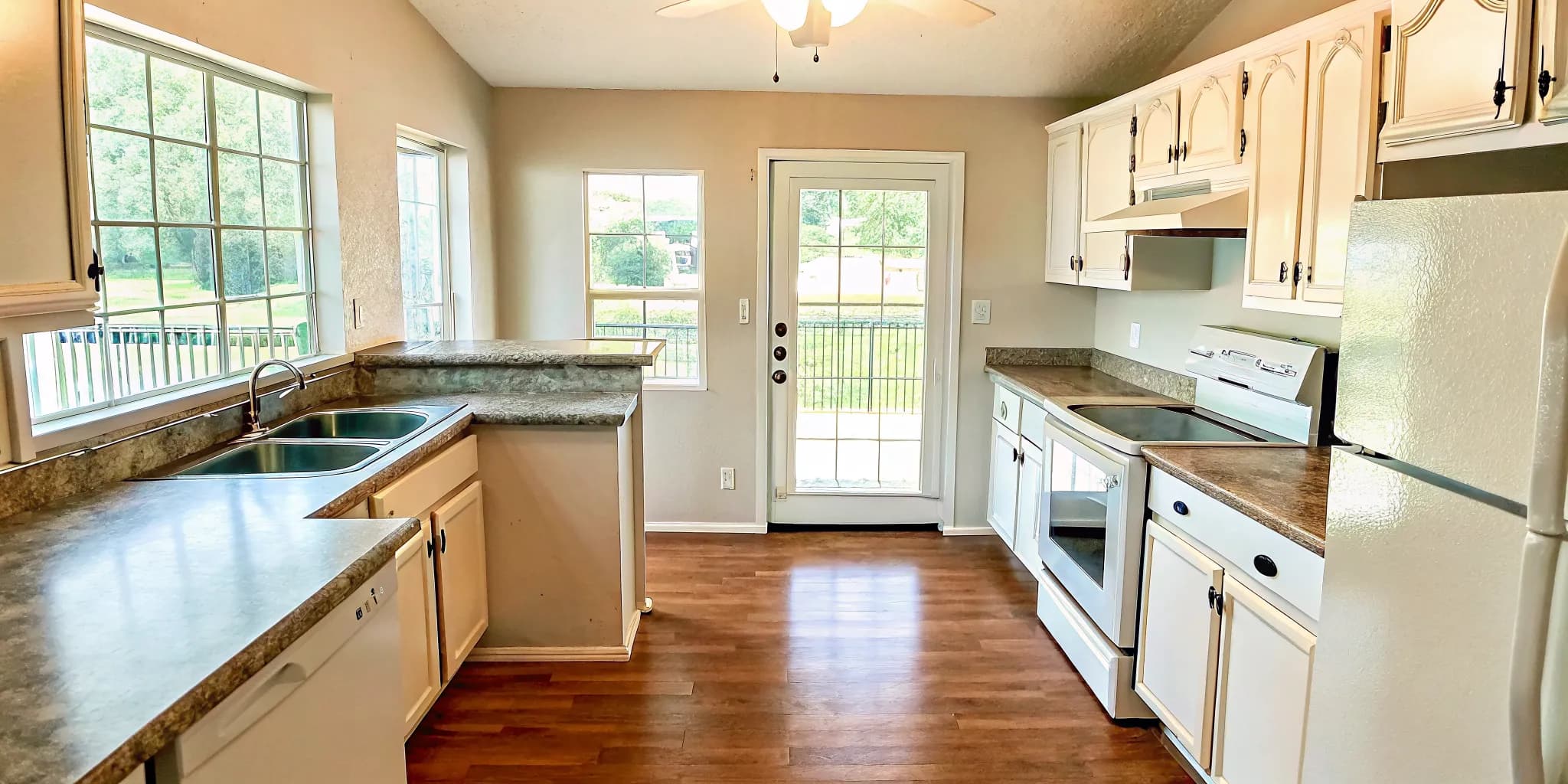
A room-by-room quality check helps property managers close the turnover with fewer missed details.
Prevent vendor collisions
Give each vendor a defined arrival window and point of contact. Tell them whether another crew will be present, where supplies may be placed, and which areas are complete. If access is controlled by a lockbox, test it before the appointment and update the code after the turnover. Keep pets, prospects, and unauthorized visitors out during service.
A manager should also specify disposal rules. Cleaners should not have to decide whether leftover paint, router equipment, manuals, keys, or unopened supplies are trash. Create a labeled "keep" zone or remove retained items before service. This simple step prevents delays and accidental disposal.
Request a Maid OK turnover cleaning quote and confirm your scope.
How Do You Make a Rental Inspection-Ready?
Inspection-ready means the unit has passed a deliberate quality check, not merely that a vendor finished. Use bright light, open doors and cabinets included in the scope, and inspect from more than one angle. Bring the original work order, a phone or camera, disposable towels, and a simple punch-list form. Mark each item complete, needs touch-up, maintenance, or owner decision.
Follow the same route every time
Begin at the entry and move clockwise through the unit. In each room, inspect from top to bottom: upper corners and fixtures, vertical surfaces and trim, then floors. Open closets, agreed cabinets, and agreed appliance interiors before moving on. This repeatable route makes misses easier to spot and helps different managers produce comparable results.
In kitchens, inspect under bright light and touch high-contact surfaces such as handles only after confirming they are dry. Check for residue along the backsplash, around the sink, on appliance seals, and at floor edges. In bathrooms, look around the toilet base, behind the faucet, along shower edges, and in floor corners. In bedrooms and living areas, scan fan blades, ledges, baseboards, closets, and carpet edges.
Use a two-list punch process
Keep cleaning touch-ups and maintenance issues on separate lists. A streaked mirror, dusty baseboard, or missed cabinet shelf belongs on the cleaning list. A loose towel bar, cracked tile, failed bulb, or dripping faucet belongs on the maintenance list. If the cause is uncertain, photograph it and assign a manager to decide rather than sending an unclear request to both teams.
Before closing the turnover, verify that:
- All authorized cleaning tasks have a completed or documented exception status.
- Loose trash, used supplies, and vendor materials are removed.
- Windows and doors are secured as directed, and keys are accounted for.
- Thermostat, lights, and utilities are left according to property policy.
- Final photos show clean overview shots and any approved exceptions.
- The next person responsible for the unit knows that the turnover is complete.
Managers may need routine service or a more detailed reset. This guide to deep cleaning versus regular cleaning in OKC explains how the right scope changes with the property's condition and goal.
Control Scope, Access, and Turnover Documentation
Most turnover friction comes from an undefined scope, blocked access, or missing information. Solve those before the appointment. Send a single written work order that lists included rooms, requested detail tasks, exclusions, approval limits, and the person authorized to approve changes. If multiple units are involved, give each unit its own scope and status.
Create a complete service brief
| Brief item. | What to provide. | Why it matters. |
|---|---|---|
| Access. | Address, unit, parking, lockbox, alarm, and contact. | Prevents a lost arrival window. |
| Utilities. | Water and power confirmation, plus temperature notes. | Allows safe and complete service. |
| Condition. | Photos, remaining items, heavy buildup, and surface concerns. | Supports accurate planning. |
| Scope. | Rooms, appliance interiors, cabinets, and exclusions. | Aligns expectations before work. |
| Sequence. | Repair completion, cleaner window, and final inspection. | Reduces rework and collisions. |
| Closeout. | Inspector, photo requirements, and exception process. | Creates an accountable handoff. |
Confirm whether appliance and cabinet interiors are empty and included. Note whether blinds, interior windows, or other detailed tasks are part of the agreed work. Identify any inaccessible or unsafe area. A cleaner should never be expected to move heavy appliances, handle unknown substances, or work around an active repair without prior approval and an appropriate plan.
Document facts without making assumptions
Use neutral notes such as "dark mark remains on bedroom carpet after cleaning" or "cabinet hinge is loose." Avoid guessing about cause, responsibility, or cost in the cleaning record. The property manager can compare condition photos, lease documents, vendor findings, and applicable requirements before making decisions. This keeps the cleaning closeout useful without turning it into an unverified legal conclusion.
A consistent folder structure saves time. Store the original scope, before photos, work orders, exception notes, final checklist, and after photos together. Name photos by room and subject, such as "Unit-12-kitchen-oven-after." For larger portfolios, track recurring misses by property. If refrigerator interiors or closet shelves repeatedly need return visits, revise the standard scope or inspection form.
Prepare for common turnover exceptions
Build a response plan for conditions that stop or change the clean. If belongings remain, pause and contact the authorized manager before moving or discarding anything. If water or electricity is unavailable, decide whether the visit can proceed safely and which tasks must be rescheduled. If a surface is damaged or reacts unexpectedly, stop work in that area, photograph it, and request direction. If a repair crew arrives during cleaning, confirm which rooms they need and protect completed spaces.
For multi-unit turnovers, keep one exception log per unit rather than combining issues in a single message. Record the time, room, condition, photo reference, person notified, and decision. This gives leasing staff a usable status update and prevents a concern in one apartment from delaying closeout in another. At the end of the day, review unresolved exceptions against upcoming showings and move-ins, then assign a named owner and deadline to each one.
When Should Landlords Book Professional Move-Out Cleaning?
Book professional cleaning as soon as you have a reliable vacancy date and understand the repair sequence. The right appointment is after the unit is empty and debris-producing work is complete, but before final photography, showings, or move-in. Build in enough time for the property manager to inspect and resolve any exceptions. A same-day clean and key handoff leaves little room for surprises.
Professional support is especially useful when
- The turnover window is short and the manager must coordinate repairs, leasing, and vendors at the same time.
- The rental is large, has several bathrooms, or needs detailed attention across many empty rooms.
- A portfolio requires one repeatable cleaning and inspection standard across multiple properties.
- The unit has buildup beyond the manager's available time, tools, or planned routine scope.
- The owner wants a local cleaning partner who arrives with supplies and equipment for the agreed service.
Before requesting service, do a five-minute readiness check. Confirm that the former occupant is out, remove loose trash and belongings, test access, verify working utilities, and make sure messy repairs will be finished. Send current photos if the condition differs from what was expected. The more accurate the brief, the easier it is to plan the work.
Maid OK has served the Oklahoma City metro for more than 20 years. The company is licensed and insured, provides supplies and equipment, offers flexible no-contract service, and backs its work with a satisfaction guarantee and a 48-hour resolution promise. Learn more about Maid OK house cleaning when planning your next rental reset.
See how professional cleaning can support an organized turnover.
Frequently Asked Questions About Rental Turnover Cleaning
What does professional move-out cleaning usually cover?
A professional move-out clean can address detailed cleaning throughout an empty rental, including accessible surfaces, kitchen and bathroom buildup, floors, baseboards, fixtures, and the interiors of agreed appliances and cabinets. Confirm the exact scope before service because property condition, access, surface type, and requested tasks can change the plan.
Should repairs happen before or after cleaning?
Complete dusty demolition, drywall work, sanding, and most painting before the main clean. Schedule detailed cleaning after those repairs, then reserve a short final touch-up window for debris created by last-minute work. Small clean repairs can happen later if the technician protects completed areas and removes any new debris.
How far ahead should an Oklahoma landlord schedule cleaning?
Schedule as soon as the confirmed vacancy date and repair plan are available. Build a buffer between the clean and the next showing or move-in so the landlord can inspect the work and address any remaining items. If a date changes, notify the cleaner quickly and reconfirm access, utilities, and unit readiness.
How can property managers keep turnovers consistent?
Use the same written scope, room sequence, photo checklist, access instructions, and final inspection process for every unit. Record exceptions and revise the scope when recurring misses appear. Consistency does not mean every unit needs identical work; it means every unit goes through the same decision and quality-control process.
Close Every Turnover With a Ready-to-Rent Handoff
A clean rental only creates value when the next person knows it is ready. Close the project with a concise handoff that states the cleaning status, repair status, remaining exceptions, utility setting, key location, and final photo location. Identify who approved the result and when.
Do not rely on a text that says only "done." Confirm vacancy, document condition, separate repairs from cleaning, sequence the vendors, inspect against a room-level checklist, and record the final state.
That operational discipline makes move out cleaning for landlords Oklahoma easier to repeat across seasons, properties, and team members.
Use the checklist in this guide as a starting point, then tailor it to the surfaces, appliances, access rules, and quality standard at each rental. A clear scope and a deliberate final walkthrough help everyone understand what is complete and what still needs attention before the next tenant arrives.
Need a hand with the actual cleaning? Get a free Maid OK quote.