Office Cleaning Service for Retail Stores
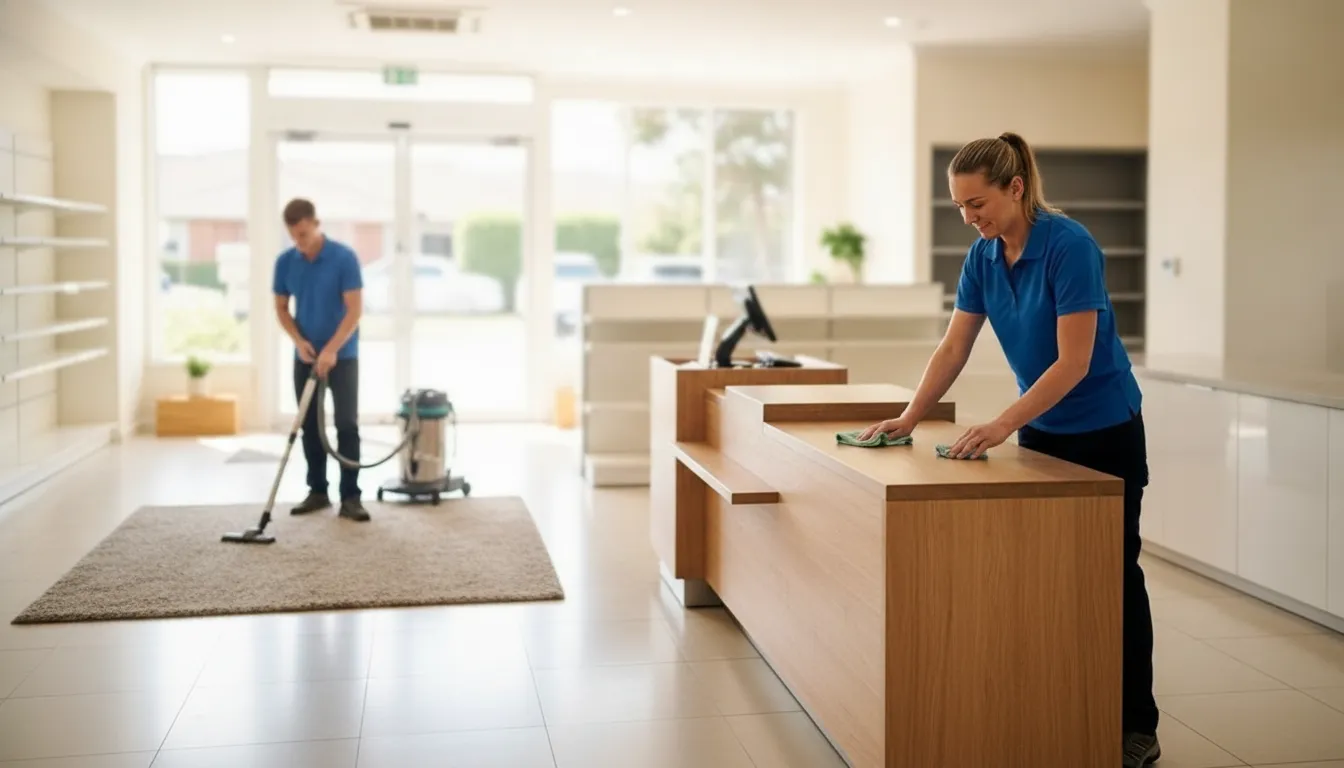
A retail store can look clean at opening and still fall behind once doors, checkout counters, carts, fitting areas, and restrooms handle steady traffic. The right scope follows how customers and employees use the space, not just its size.
Ask about commercial cleaning for your retail space
An office cleaning service for retail should address customer-facing areas, high-touch surfaces, floors, restrooms, waste, and staff spaces. Frequency should adjust for traffic, visible soil, operating hours, and surface type. That gives store managers a practical starting point for defining service without treating every location the same.
A useful scope separates daily priorities from periodic work. It clarifies what happens before opening, after closing, or during quieter operating windows, and identifies which tasks the store manager can inspect without guessing. That practical boundary makes provider proposals easier to compare.
What should an office cleaning service for retail include?
A retail cleaning scope should follow the customer journey as well as the back-of-house workflow. It needs to cover the areas shoppers see, the surfaces employees use, and the routine tasks that keep the store safe and presentable without disrupting business.
Customer-facing areas
Start with the entrance, sales floor, checkout area, displays, fitting or customer-service areas, and any seating. The scope may include dusting accessible surfaces, removing visible soil, cleaning glass and doors, emptying waste containers, and addressing spills promptly. Entrances deserve special attention because tracked-in dirt quickly affects both the floor and the first impression.
Consider a hypothetical Norman-area apparel store preparing for a Saturday opening. The manager could map the route from entrance to checkout, fitting rooms, and restrooms. The scope could request entrance glass, mats, checkout counters, fitting-room touchpoints, and restroom service before opening. Periodic floor care could be scheduled during a quieter window. This shows why a square-foot estimate alone misses the operational details.
High-touch points
Retailers should identify surfaces touched repeatedly throughout the day, such as door handles, counters, payment touchpads, pens, shopping carts, baskets, and restroom fixtures. The CDC recommends regular cleaning of high-touch surfaces and advises considering both the surface type and how often it is touched. High-traffic areas may need attention more often than quieter spaces.
Staff areas and restrooms
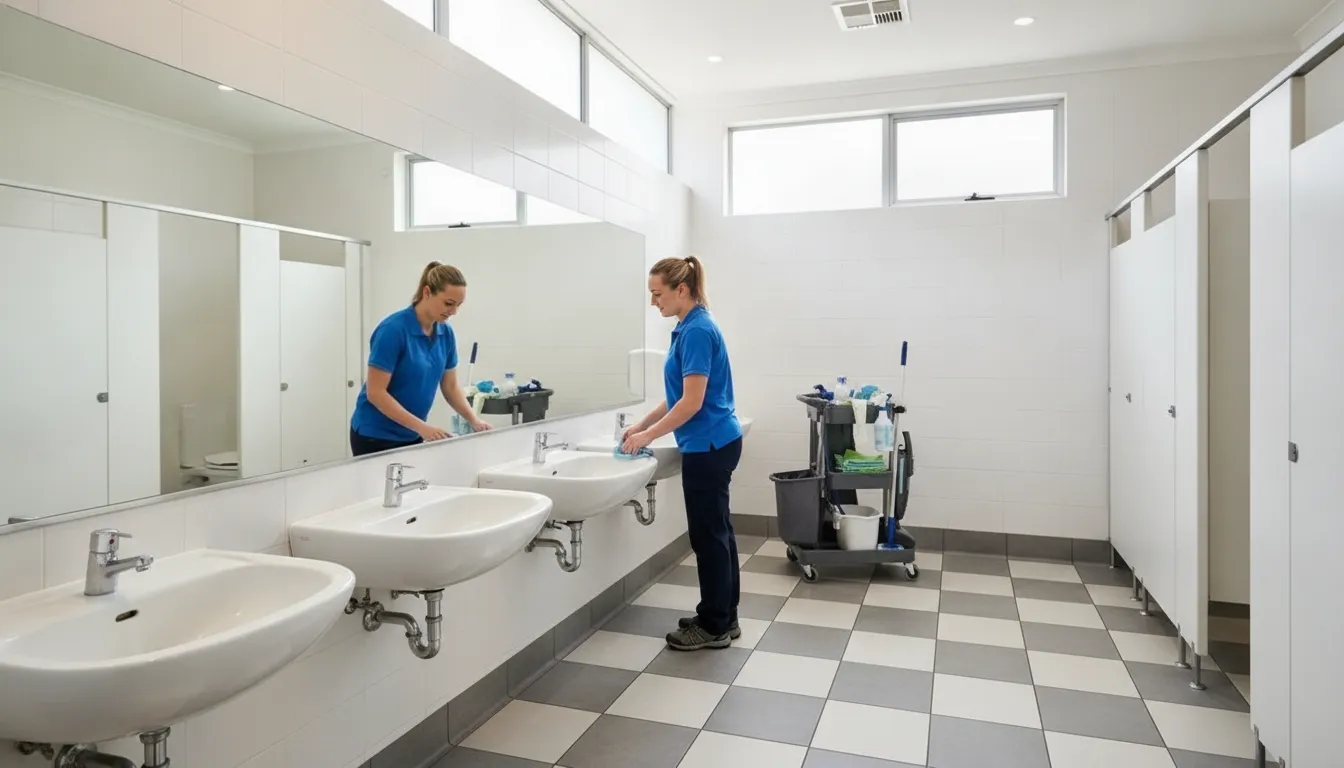
Include employee work areas, break areas, offices, storage areas, and shared equipment where appropriate. Restroom work may include cleaning fixtures, sinks, mirrors, floors, partitions, and touchpoints, along with documenting access, inspection, and waste responsibilities. The exact responsibilities should be written into the scope rather than assumed.
Floors, waste, and cleaning sequence
Floor care should match the material and traffic level. A routine may include sweeping, vacuuming, dust mopping, and wet mopping, while periodic care may be handled separately. Waste service should specify which receptacles are emptied, whether liners are replaced, and where collected waste goes. A practical scope should also identify who handles spills and how the store reports a missed task.
Finally, clarify the difference between routine cleaning and any disinfection protocol the facility requires. A provider should review the store layout, materials, traffic, and operating hours before confirming the final scope. These are planning principles, not a Maid OK retail checklist, so the final responsibilities should be written into the proposal.
Which retail areas need the most consistent attention?
Manager guidance: Rank each zone by three signals: how often it is touched, how quickly soil becomes visible, and how difficult it is to service during operating hours. This simple priority check helps managers separate entrance and checkout work from lower-touch storage areas, then set realistic inspection points for the team.
That makes the entrance and checkout zone a practical priority. Managers should watch entry doors, handles, mats, carts, baskets, payment counters, card readers, pens, and touchscreens where present. An EPA example schedule also highlights entrance glass, mats, floors, and waste receptacles, but those figures are examples for planning, not universal requirements for every store.
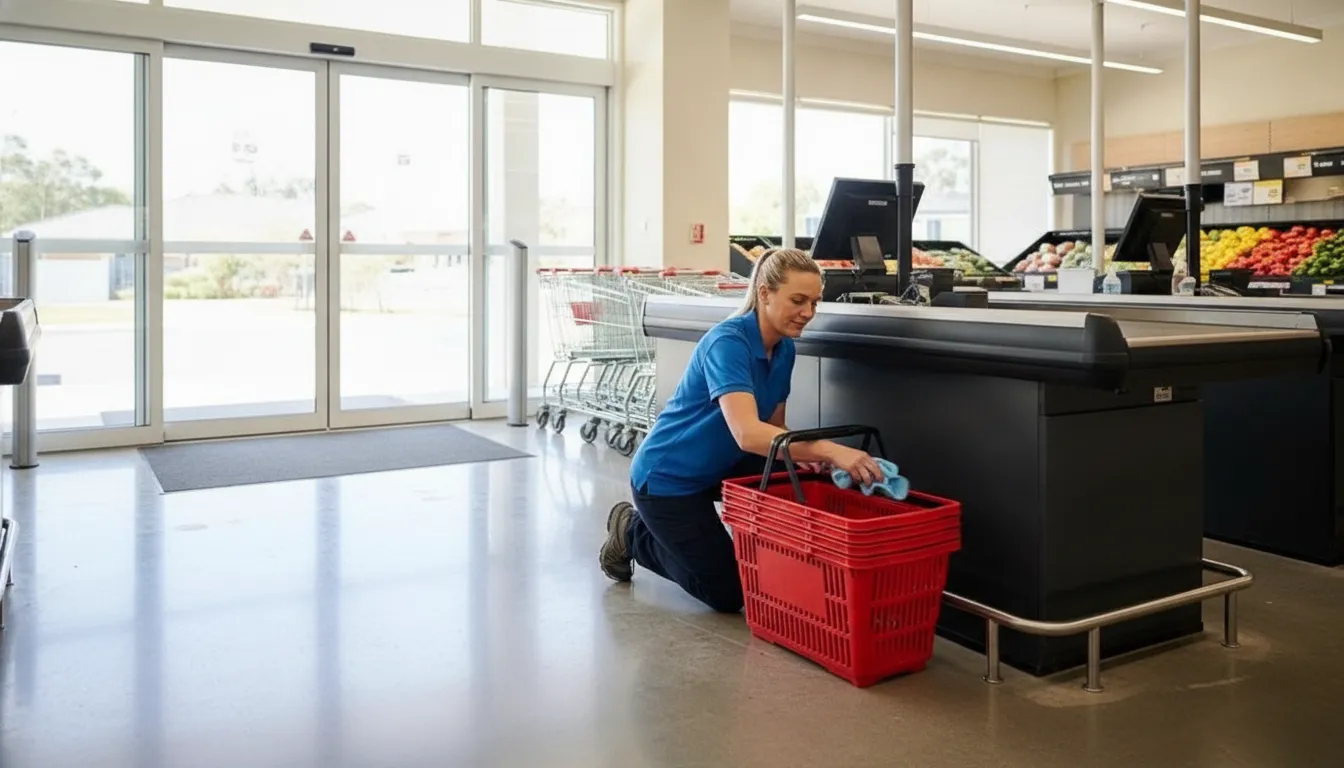
Provider scope: A cleaning provider can help define recurring surface cleaning, floor care, trash removal, and restroom work around the store's layout and operating hours. The exact scope should be confirmed rather than assumed.
Customer areas and restrooms
Fitting rooms, seating, display ledges, service counters, and other customer areas need attention when they collect visible soil or experience frequent contact. Restrooms deserve a separate routine for fixtures, counters, floors, waste, and replenishment needs. Keep routine restroom and customer-area work distinct from any disinfection protocol the facility requires. Any response to illness or specialized cleaning need should follow applicable facility guidance and regulations.
Staff spaces, storage, and floors
Break rooms, staff counters, shared touchpads, door handles, storage-room walkways, and employee restrooms can be overlooked because shoppers do not see them. Managers should identify which spaces are used most often and which need access coordination. Floors also deserve a planned scope. Entrances may need frequent attention for tracked-in soil. Sales-floor carpet, tile, hardwood, or vinyl may require different methods. A provider should match methods to each floor material and identify where waste is collected, stored, and removed.
Provider scope: A professional office cleaning service for retail can translate these priorities into a customized schedule. Maid OK's documented commercial offerings include scheduled cleaning, restroom cleaning, floor maintenance, and janitorial services, while the store-specific checklist and frequency should be agreed on during scope review.
How should a retail store set cleaning frequency?
- Start with traffic and operating hours. A busy storefront, checkout area, or entrance usually needs attention more often than a lightly used stockroom. High-traffic areas may warrant more frequent cleaning, so review customer volume, peak periods, staffing changes, and whether the store operates seven days a week. Build the routine around when cleaning can happen safely without disrupting shoppers or employees.
- Prioritize surfaces by touch frequency. Counters, payment touchpads, door handles, carts, baskets, fitting-room fixtures, and restroom fixtures deserve a regular routine because they are touched repeatedly. Put these items on a defined checklist, then add checks during unusually busy periods or after an illness-related incident. The timing should reflect the store's actual use rather than a generic calendar.
- Use visible soil to adjust the plan. Floors, shelves, glass, and other lower-touch surfaces should be cleaned when visibly dirty, with extra attention after spills, tracked-in debris, or weather changes. Hard floors may need sweeping or dust-mopping throughout operating days, followed by wet mopping based on soil and traffic. A store with carts, entry mats, or dark flooring may need more frequent checks than a quieter location.
- Separate recurring work from periodic work. Include routine surface cleaning, floor care, restroom service, and waste removal in the regular scope. Then schedule deeper floor or carpet care, entrance glass, mat and grill cleaning, and receptacle washing at longer intervals. An EPA example housekeeping schedule lists ranges for these tasks, including three daily glass cleanings for both sides of entrance doors and 12 to 26 annual receptacle washings. These are examples, not Maid OK requirements. Your provider should adapt the frequency to your store's traffic, soil, surfaces, and access window.
| Store zone | Scope question | Frequency signal |
|---|---|---|
| Entrance and checkout | Which doors, counters, carts, baskets, and touchpads are included? | Traffic, weather, visible soil, and touch frequency |
| Restrooms | Are fixtures, floors, waste, and restroom consumables included? | Customer volume, restroom use, and opening hours |
| Sales floor and staff areas | Which floor types, offices, break areas, and storage paths need service? | Surface material, use, access, and periodic-care needs |
What should store managers ask a cleaning provider?
A useful provider conversation should produce a clear scope, not just a general promise to keep the store clean. Ask the following questions before comparing proposals:
- What areas and tasks are included? Ask the provider to walk through entrances, checkout areas, customer and fitting areas, staff spaces, restrooms, waste, and high-touch surfaces. Clarify what is routine, what is periodic, and what is outside the agreement.
- How will the schedule work around store hours? Discuss opening and closing times, delivery windows, alarm or key procedures, and whether after-hours service is available. A documented after-hours option can reduce disruption, but the access plan should be specific to your location.
- How will different floor types be handled? Identify carpet, tile, hardwood, vinyl, mats, and other surfaces. Ask whether routine cleaning and scheduled floor maintenance are both available, and which products or equipment are appropriate for each material.
- What is included for restrooms and supplies? Confirm restroom cleaning, fixture care, waste removal, and who handles restroom consumables. If the provider can supply equipment and cleaning products, ask what your staff still needs to provide.
- How is quality checked? Ask whether a team leader, inspection process, or documented follow-up is used. You should also know who handles missed tasks, how quickly concerns are acknowledged, and how corrections are communicated.
- Who will communicate with the store? Establish one primary contact, an escalation path, and the process for schedule changes, events, spills, or unusual traffic. Ask whether the provider can keep crew assignments consistent when possible, and how the team will learn store-specific expectations.
Maid OK documents commercial services that include customized scheduled office cleaning, commercial floor care, restroom cleaning, and janitorial support. You can review the documented scope of its commercial janitorial services, then discuss your store's layout, access window, and operating needs directly. Do not assume a general commercial offering is an exact retail package until those details are confirmed in writing.
How do you prepare a retail cleaning scope for a quote?
A clear scope helps a cleaning provider understand how your store operates and which areas need attention. It does not need to be a formal checklist. Start with the details that affect the work, access, and level of service.
- Describe the store layout. Note the approximate square footage, number of levels, entrances, checkout areas, fitting or customer-service spaces, break areas, storage rooms, and other zones that should be included. A simple floor plan or walk-through can help clarify the scope.
- Explain traffic and operating hours. Share when customers and employees are busiest, when the store opens and closes, and whether cleaning must happen before opening, after closing, or during a quieter period. Mention delivery schedules or security procedures that could affect access.
- List surfaces and floor types. Identify carpet, tile, hardwood, vinyl, mats, glass, and other surfaces. Point out high-traffic entrances or areas that may need more frequent attention. For deeper floor guidance, review these commercial floor cleaning services.
- Count restrooms and note service needs. Include the number of customer and staff restrooms, along with any preference about consumable restocking. If supplies or equipment are expected from the provider, ask how that will be handled.
- Identify touchpoints, waste, and priority areas. Mention checkout counters, door hardware, handrails, fitting-room surfaces, shared devices, trash locations, and areas where visible soil collects. These details help distinguish routine cleaning from occasional or periodic work.
- Discuss frequency and responsibilities. Explain whether you are considering recurring service, periodic floor care, or both. Clarify who provides keys or access instructions, who moves merchandise or equipment, and who should receive quality or scheduling updates. Bring these details to a provider offering commercial cleaning and janitorial services so the proposed scope reflects your actual store.
When is a commercial janitorial partner a good fit for retail?
A commercial janitorial partner can be useful when store staff need a repeatable cleaning plan that does not compete with customer service. It may be a good fit when entrances, floors, restrooms, checkout areas, or staff spaces need dependable attention across a recurring schedule. It can also help when managers want one team to coordinate routine cleaning with periodic floor care.
The right partner should fit the store's operating reality. Ask each prospective provider whether after-hours service, team continuity, customized frequencies, supplies or equipment, and issue reporting are available before adding any of them to the scope. It may also make sense to start with the highest-priority zones and expand the agreement after the first review.
Maid OK's commercial service includes scheduled office cleaning, floor care, restroom cleaning, and janitorial services. Its service area is centered on Norman and extends through the greater Oklahoma City metro. Managers can review the commercial cleaning and janitorial services page, and readers focused on high-traffic surfaces can explore commercial floor cleaning services.
The goal is not to buy the largest package. It is to establish a scope that keeps customer-facing spaces presentable, supports staff areas, and gives the manager a clear way to evaluate completed work. That clarity helps the store free up time and focus on what matters.
Define your retail cleaning scope with Maid OK
Frequently Asked Questions
What does office cleaning for a retail store typically include?
A practical scope covers customer-facing areas, checkout counters, fitting rooms, staff spaces, restrooms, floors, waste removal, and high-touch surfaces. The final checklist should reflect layout, floor materials, traffic patterns, and operating hours. The opening and checkout priorities should be specific enough for a manager to inspect without guessing what was included.
How often should a retail store be professionally cleaned?
There is no single schedule that fits every store. Consider customer traffic, visible soil, the number of people touching each surface, restroom use, floor type, and whether cleaning can occur after hours. Higher-traffic areas may need more frequent attention, while periodic floor care, glass cleaning, and detailed work can follow a separate schedule. A provider should help match frequency to your store's actual conditions.
What information should I prepare before requesting a cleaning quote?
Share the store's approximate size and layout, operating hours, floor types, restroom count, traffic patterns, priority areas, waste needs, preferred cleaning frequency, and any access or security requirements. Also note whether you need supplies or restroom restocking included. These details help a provider build a clear scope instead of offering a vague general estimate.
How much does retail store cleaning cost?
Pricing depends on the size and layout of the store, cleaning frequency, floor and restroom requirements, traffic, access timing, and the specific tasks included. A responsible provider should review those details before quoting rather than applying an unsourced hourly or square-foot figure. Ask for the included tasks, exclusions, schedule, supplies, and any periodic services in writing so you can compare proposals accurately.
Ready to discuss your retail cleaning scope?
A clear cleaning scope can help your team coordinate coverage across customer areas, restrooms, floors, and staff spaces without overlooking daily priorities. Share your store layout, operating hours, traffic patterns, and preferred schedule so the conversation can focus on the support your location needs.
Need a hand with the actual cleaning? Get a free Maid OK quote.