Commercial Cleaning and Janitorial Services for OKC Businesses
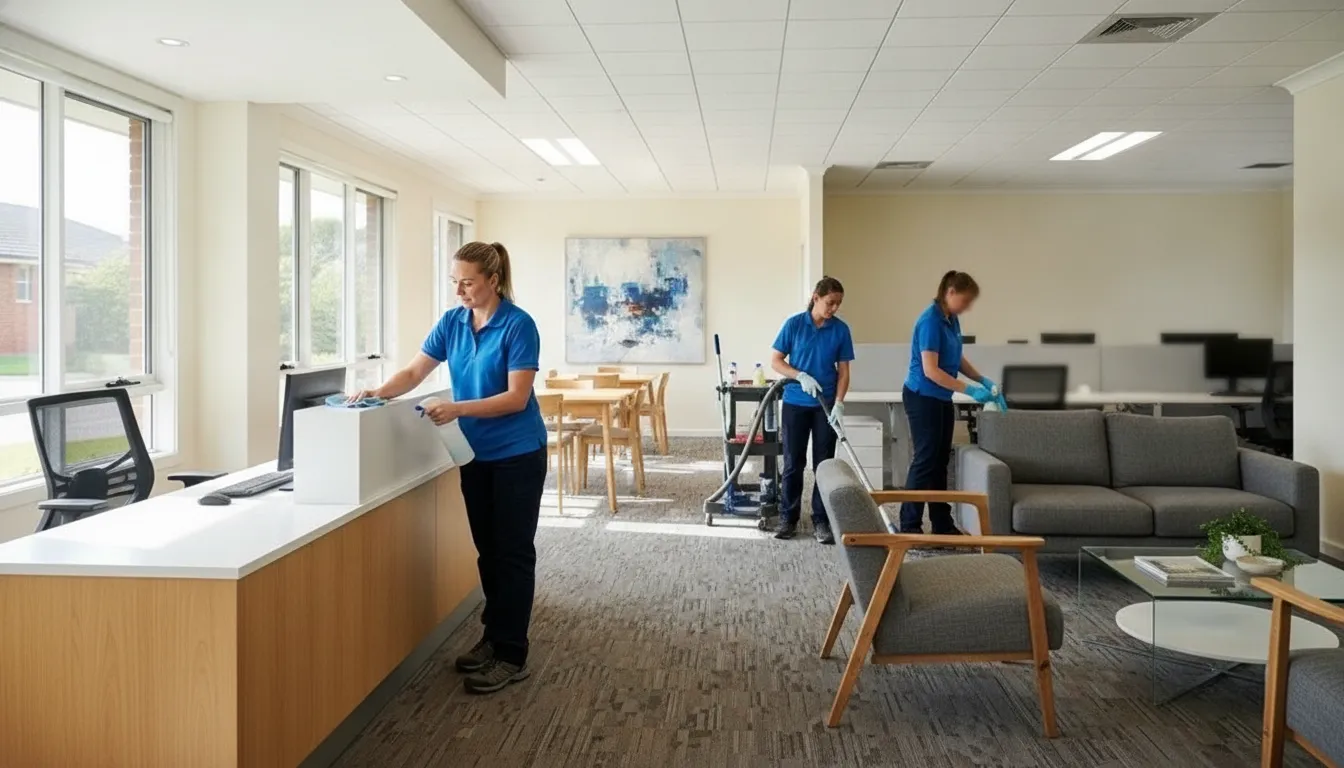
A clean workplace is not just about appearance. For an Oklahoma City office or retail space, the right program should protect customer-facing areas, support employees, and fit around the hours when your business is busiest. Maid OK is a family-owned local company established 1977, serving commercial customers across the Oklahoma City metro. It should also make responsibilities clear, so recurring service does not depend on someone noticing problems after they occur.
Request a commercial cleaning quote
The best commercial cleaning and janitorial services match the facility's layout, traffic, operating hours, and priorities. Look for a provider that can tailor cleaning frequency, coordinate after-hours access, address restrooms and floors, communicate consistently, and show how quality is checked.
Maid OK is headquartered in Norman and serves businesses across the Oklahoma City metro, with commercial programs that include office cleaning, janitorial care, floor maintenance, and restroom service. As you compare providers, start by defining what a dependable scope of work should cover, then evaluate how that scope will work in your building day after day.
What should commercial cleaning and janitorial services include?
Commercial cleaning and janitorial services should cover the routine work that keeps a business clean and ready for employees or customers. They should also include periodic tasks that address areas needing deeper attention. The right scope depends on the facility's layout, traffic, operating hours, surfaces, and priorities.
Recurring janitorial upkeep
Recurring service is the foundation of a commercial cleaning program. It may include emptying trash, cleaning and disinfecting restrooms, replenishing agreed-upon supplies, wiping high-touch surfaces, cleaning break rooms, vacuuming carpets, mopping hard floors, and maintaining entryways. Offices may need attention to work areas, conference rooms, kitchens, and reception spaces. Retail locations may place more emphasis on customer-facing floors, entrances, fitting areas, checkout zones, and other spaces that receive steady foot traffic.
Frequency should follow how the space is used rather than a one-size-fits-all schedule. A lower-traffic office may need a different cadence from a busy storefront, while restrooms and entrances may require more frequent attention than private offices. A provider should be able to build a tailored plan and explain which tasks are completed on every visit. For a practical way to organize routine responsibilities, see this office cleaning checklist.
Periodic deeper work
Some cleaning needs are better handled on a recurring monthly, quarterly, seasonal, or as-needed basis. Examples can include detailed floor care, carpet cleaning, cleaning baseboards and light fixtures, removing buildup in restrooms, and addressing less frequently used areas. Floor maintenance may be planned for carpet, tile, hardwood, or vinyl, with the method matched to the surface and its condition.
A clear program separates daily or scheduled upkeep from these periodic tasks so important work does not disappear between visits. During an initial assessment, the cleaning provider should review the facility, identify high-traffic or high-touch areas, discuss access and operating hours, and document the expected scope. After-hours service may help minimize disruption, but the schedule should still fit the business's security and communication procedures.
The best scope is specific enough to measure without becoming rigid. It should identify the spaces included, the expected frequency, supply responsibilities, floor-care needs, and how service concerns will be reported and resolved. That clarity gives managers a practical way to evaluate consistency and adjust the plan as the business changes.
How should offices and retail spaces use different cleaning programs?
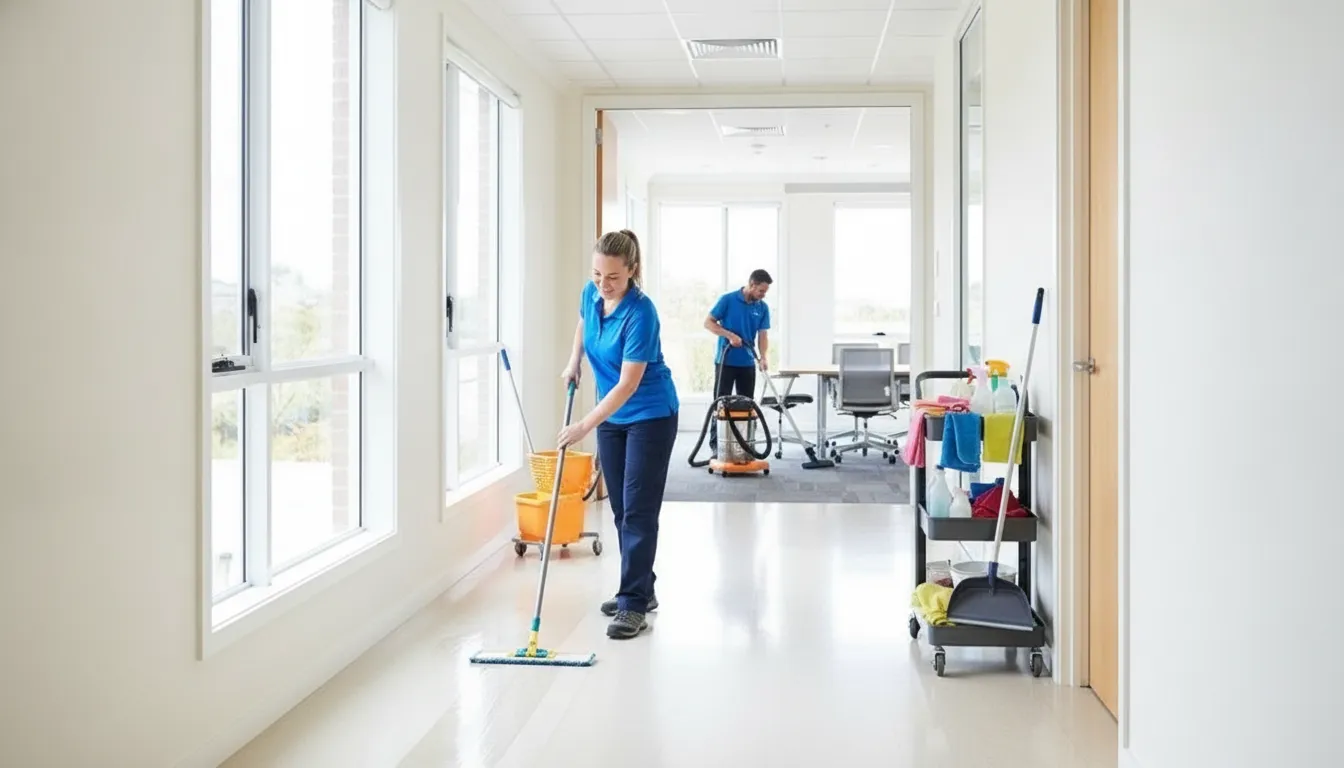
An office and a retail space can share a cleaning provider, but they should not automatically receive the same program. The right plan follows how people move through the property, which areas customers see, and when cleaning can happen without interrupting work. An Oklahoma City business manager can use the comparison below to outline priorities before requesting a proposal.
| Environment | Primary priorities | Scheduling and planning considerations |
|---|---|---|
| Office | Workstations, meeting rooms, kitchens or break areas, restrooms, entry points, and touchpoints. The plan should account for employee activity and shared spaces without disrupting focused work. | After-hours service may reduce disruption. Frequency can vary by occupancy, office size, and how heavily common areas are used. |
| Retail | Customer-facing floors, entrances, checkout or service areas, display zones, restrooms, and high-traffic paths. Clean floors and visible surfaces influence the first impression throughout the day. | Schedule around opening, closing, deliveries, and peak shopping periods. Entrance floors may need more frequent attention than low-traffic back areas. |
| Shared or common areas | Entrances, corridors, elevators, stairways, shared restrooms, break areas, and other spaces used by multiple groups. | Set clear responsibility for access, supplies, waste removal, and urgent issues. Reflect traffic patterns instead of treating every area as equally busy. |
Floors deserve special attention in both settings, but treatment may differ by material and traffic. A program may address carpet, tile, hardwood, or vinyl through scheduled floor care, so identify each surface when planning the scope. This commercial floor cleaning guide can help managers prepare specific questions.
For an office, review these office cleaning service options alongside occupancy and access rules. For retail, map customer paths and visible surfaces first. In either case, customized frequencies are more useful than a generic task list.
What should businesses ask before choosing a janitorial partner?
The right provider should make your facility easier to manage, not create another stream of problems. Before comparing proposals for commercial cleaning and janitorial services, ask questions that reveal how the work will be planned, performed, checked, and adjusted. A clear conversation also helps you compare providers on service quality rather than a vague promise to keep the building clean.
- What exactly is included in the scope? Ask for a written list of recurring tasks and any periodic work. It should identify areas such as offices, entrances, restrooms, break rooms, floors, and high-touch surfaces. If you need floor maintenance for carpet, tile, hardwood, or vinyl, ask whether that is part of the program or a separate service. A tailored plan is more useful than a generic room count.
- How will frequency match our traffic and operating needs? A busy retail space may need a different schedule from a low-traffic office. Discuss daily, weekly, or customized frequencies, as well as tasks that should occur less often. The provider should be able to explain what changes when occupancy, events, seasons, or customer traffic change.
- Who supplies products and equipment? Confirm whether the provider brings cleaning products, tools, vacuums, and floor-care equipment. Ask which supplies your staff must provide, who handles replenishment, and whether special surfaces require different methods. These details prevent unexpected gaps after service begins.
- How are access and after-hours service handled? Establish arrival windows, keys or access codes, alarm procedures, locked areas, and the person to contact if access changes. After-hours service may reduce disruption, but only when responsibilities and security procedures are clear.
- How will communication work? Identify the day-to-day contact, the process for schedule changes, and how you will receive updates. Ask how the provider records site instructions and communicates when a team is delayed or a task cannot be completed.
- Can we verify licensing and insurance? Request current documentation directly from the provider and confirm that it applies to the work and location involved. Do not rely on an unverified statement in a proposal. If your building manager requires specific certificates or limits, share those requirements before signing.
- What happens when something is missed? Ask how inspections are performed, who reviews quality, and how quickly concerns are acknowledged and corrected. A defined resolution process matters more than a general promise of excellence. For example, Maid OK describes systematic cleaning followed by inspection and uses a 49-point inspection system. Review the provider's commercial janitorial services details, then ask how its stated quality process would apply to your facility.
Put the answers in writing with the scope, schedule, access plan, communication contact, and correction process. That gives both sides a practical reference and makes it easier to tell whether the proposed program fits your business.
Why does a consistent commercial cleaning team matter?
When the same cleaning professionals return to a workplace, they become familiar with the building. Its routines, and the details that matter to the people who use it every day. That familiarity can make service more efficient and easier to manage. The team learns which rooms need extra attention, how staff prefer access to be handled, and where supplies or equipment are kept. It also reduces the need for a manager to explain the same expectations during every visit.
Consistency matters for security, too. A business may have controlled entrances, alarm procedures, private offices, or areas that should remain closed. Keeping team assignments consistent when possible helps the cleaning crew understand those boundaries and gives the business a clearer sense of who is entering the space. It does not replace the business's own access policies, but it can support a more orderly process.
Clear communication and visible accountability
A dependable program should make it easy to communicate schedule changes, special requests, or an issue that needs attention. Maid OK's service flow includes communication before arrival, an en-route call or text, an initial assessment, systematic cleaning, and a quality inspection. That sequence gives the business several natural points for questions and follow-up instead of leaving the manager to guess whether a concern was noticed.
Team structure also creates accountability. A standard service team includes two cleaning professionals, with up to four used for larger projects. A designated team leader handles quality control, helping coordinate the work and check that the agreed scope is being addressed. The right team size can support thorough work without turning every visit into an unfamiliar rotation of people.
Quality checks should support the service plan
Maid OK uses a 49-point inspection system covering multiple areas of a property. That number should be understood as a structured inspection process, not a promise that every building receives identical treatment. A useful inspection checks the areas and tasks included in the business's service plan, while the team communicates when conditions or priorities require adjustment. For an Oklahoma City business comparing commercial cleaning and janitorial services, ask how team assignments, communication, leadership, and quality checks work together. Those details often reveal how consistently a provider can support the workplace after the initial quote.
How can a business plan schedules, restrooms, and floors?
A commercial cleaning schedule should match how the building is used, not simply copy another company's routine. Start by identifying when employees arrive, when customers visit, which spaces experience the most traffic, and whether the cleaning team can work during business hours or after closing.
After-hours service may reduce disruption for offices and retail locations. However, the schedule should also define access procedures, alarm information, contact people, and what happens when an event or operational change affects the normal visit. A provider should explain how schedule changes are communicated rather than leaving the manager to coordinate every detail.
Plan restroom work around use
Restrooms need a clear recurring plan because they are high-use spaces and visible indicators of facility care. Ask which tasks are completed at each visit, how frequently fixtures and floors are detailed, whether supplies are checked or restocked, and how urgent issues are reported. A written commercial restroom cleaning plan can help a manager compare the proposed scope with the building's needs.
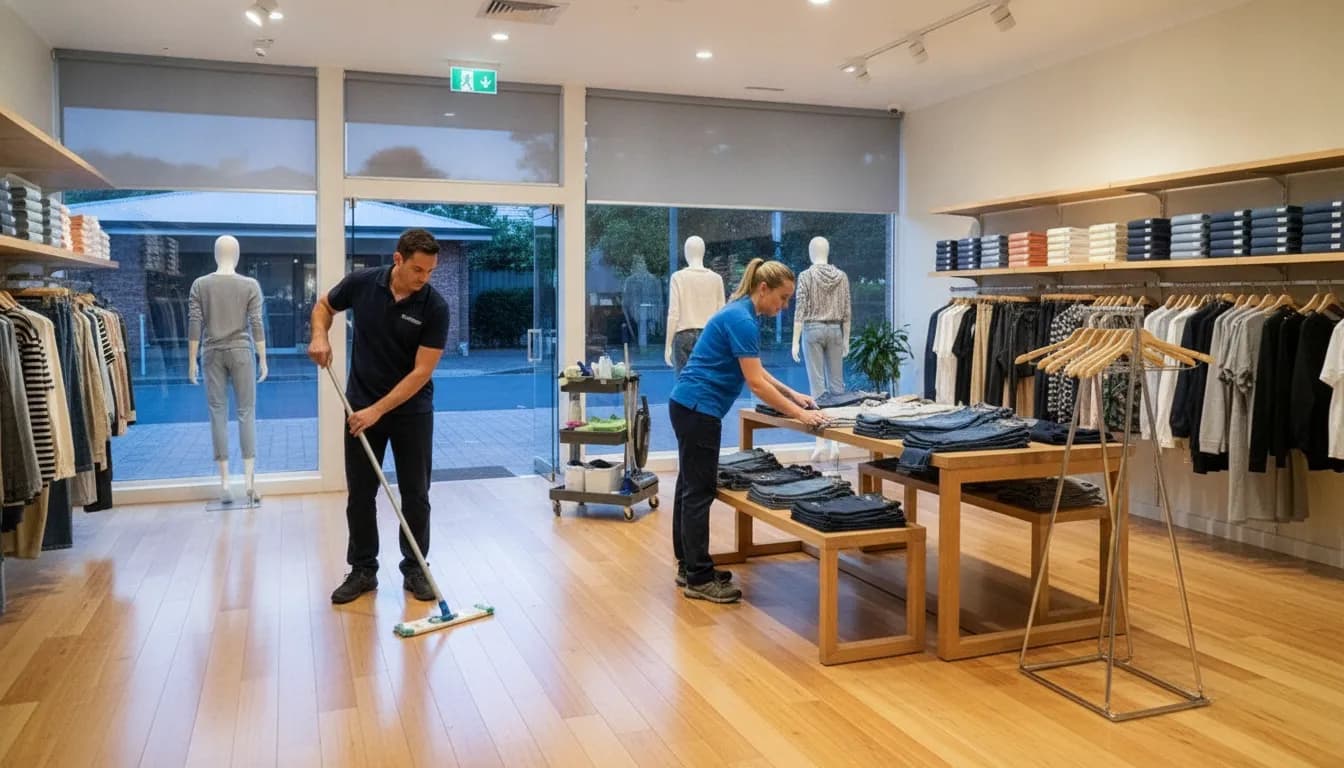
Retail businesses may need extra attention before opening, after peak periods, or around customer-facing restrooms. Offices may prioritize break rooms, shared kitchens, conference rooms, and employee restrooms. The right schedule can use different frequencies for different zones instead of treating every square foot the same.
Include floor care in the program
Floors often need both routine attention and periodic care. Recurring work may include vacuuming, sweeping, and mopping, while a longer-term plan may address carpet, tile, hardwood, or vinyl according to material and traffic. Ask whether floor maintenance is included in the recurring program or scheduled separately.
Businesses comparing options can review guidance on commercial floor cleaning before requesting a quote. The useful goal is to build a practical cadence, assign clear responsibilities, and make sure the provider can adjust the plan when facility use changes.
How do businesses prepare for a commercial cleaning quote?
A useful quote starts with a clear picture of the facility, not just its square footage. Before speaking with a provider, note whether the space is an office, retail location, shared commercial building, or another business setting. Share the approximate size, number of floors, restroom count, and areas that receive the most foot traffic. Customer-facing entrances, sales floors, break rooms, conference rooms, and high-touch points may each need different attention.
Explain what you need on a recurring schedule and what belongs in periodic floor or detail work. Desired frequency may depend on traffic, operating hours, and the standard you want customers and employees to experience. Also describe your preferred service window. If cleaning must happen after hours, identify who provides access, how keys or entry codes are managed. And whether there are security or alarm procedures the team should follow.
Bring a short priority list to the conversation. Include surfaces or rooms that have been difficult to maintain, supply restocking needs, floor types, and any areas that should receive special attention. Ask whether the provider supplies equipment and cleaning products, how the scope is documented, who handles questions, and what happens when a concern needs to be corrected. These details help the quote reflect the work your business actually needs.
Maid OK serves Oklahoma City area businesses from its Norman headquarters with tailored commercial janitorial services, including office cleaning, restroom care, floor care, and recurring programs.
Request a commercial cleaning quote
Frequently Asked Questions
What is usually included in a commercial cleaning program?
A commercial program can include scheduled office cleaning, janitorial upkeep, restroom cleaning, floor care, supply restocking, and other tasks matched to the facility. The right scope depends on your layout, traffic, operating hours, customer-facing areas, and priorities. Ask for a written checklist so recurring work and periodic services are clearly separated.
How often should an office or retail space be cleaned?
There is no single schedule that fits every business. A provider may recommend a customized frequency based on traffic, number of employees, public access, restroom use, floor type, and the level of presentation you need. Review the schedule after a few service cycles and adjust it if high-touch areas, restrooms, or entrances need more attention.
Can commercial cleaners work after business hours?
Yes, many programs can be planned for evenings, early mornings, or other low-traffic periods. After-hours service may reduce disruption, but you should confirm access procedures, alarm or key responsibilities, arrival communication, and who handles urgent issues. Put those details in the service agreement rather than relying on informal assumptions.
How can a business evaluate cleaning quality?
Look for a defined scope, consistent communication, a clear process for reporting concerns, and documented inspections. Consistent team assignments can improve familiarity and security when available. Maid OK uses a designated team leader for quality control and a 49-point inspection system, as described on its commercial janitorial service page.
What should we share when requesting a commercial cleaning quote?
Provide the facility type, approximate size, operating hours, floor surfaces, restroom count, traffic patterns, desired frequency, access requirements, and any priority areas. Also explain whether you need supply restocking, floor maintenance, or after-hours service. These details help a provider recommend a practical scope instead of offering a vague one-size-fits-all plan.
Get started with a commercial cleaning plan
A clear cleaning program can help your Oklahoma City area business maintain a more consistent workplace while giving your team one less operational detail to manage. Share your facility type, schedule, priorities, and access requirements so the service plan can reflect how your business actually operates. To request a commercial cleaning and janitorial services quote, get started with Maid OK's commercial quote request.
Need a hand with the actual cleaning? Get a free Maid OK quote.